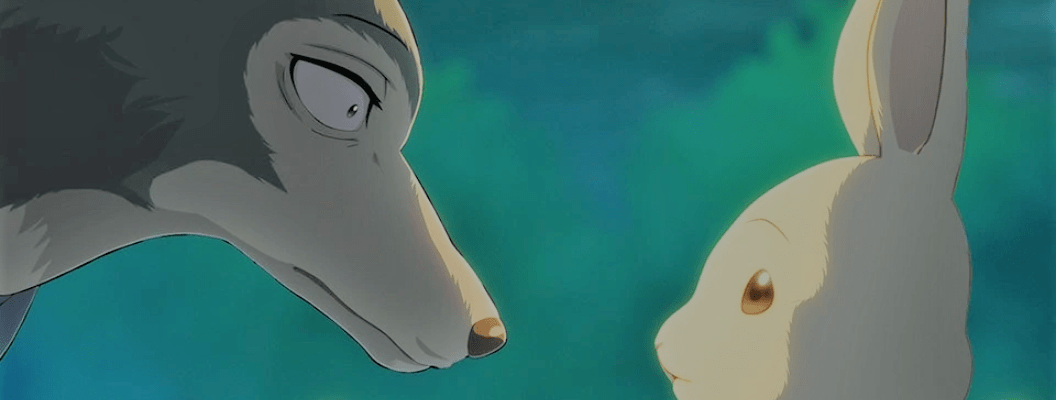
You’ve heard of couples coming from different backgrounds or different ethnicities. Similarly, you’re probably familiar with a few couples who differ in height and/or build. But what about a couple made of two different species? Haru and Legoshi from Beastars are one such unlikely couple – a wolf and a rabbit. Even in a narrative that sometimes forsakes consistency for convenience, could something like this ever work out?
Welcome to Anime Rants! Recently, I had the idea of analyzing anime couples using MBTI personality types and their interactions. I’m hoping to write a lot of these posts, with each one focusing on a romantic couple I know from an anime. The first couple I chose for this series is Haru x Legoshi from Beastars! Please enjoy the analysis. Additionally, feel free to use the image below for reference.

Part 1: Haru – ISFP
We’ll start by taking a look at Haru’s MBTI type. She is an ISFP: introverted, sensing, feeling, and perceiving. An ISFP is individualistic, deeply caring, and independent, with a strong and unique spirit. There is an interesting tendency for ISFPs to have a defiant side that contrasts with their sweet side. If you try to make an ISFP conform, expect aggression in return. This type is often drawn to artful forms of expression like painting or music. In Haru’s case, she adores flowers and excels at taking care of them.
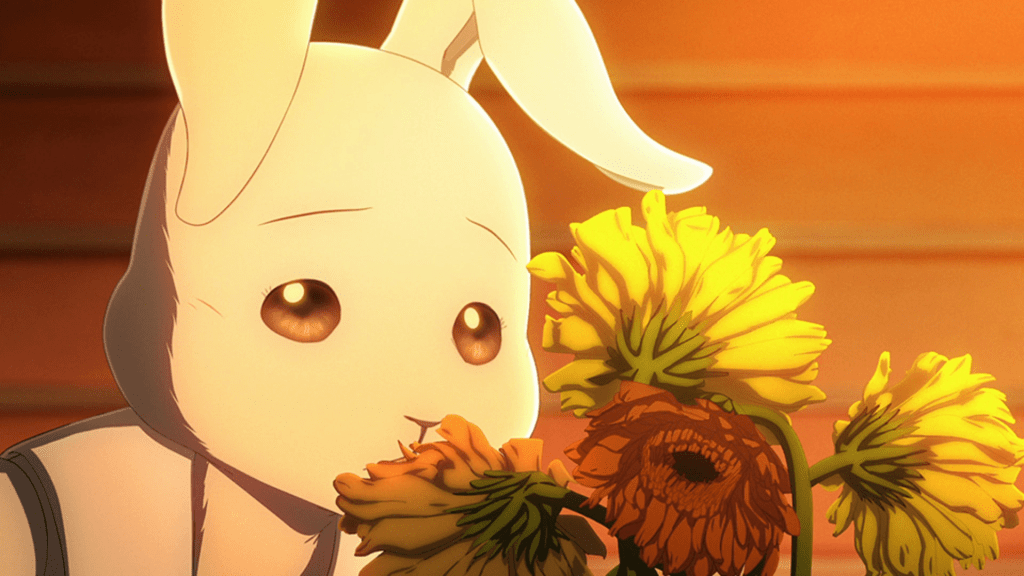
ISFPs are also very adventurous. Haru clearly shows the stubbornness and independence common to the ISFP type. She won’t let anyone tell her how to live her life, even when there are harsh social consequences. But Haru is also kind and warm toward others in most cases. Her thirst for adventure and her intense need for self-expression both show especially strongly in her romantic and sexual lifestyle.
The four cognitive functions of ISFP are introverted feeling (Fi), extraverted sensing (Se), introverted intuition (Ni), and extraverted thinking (Te). We’ll talk about the first two. With dominant introverted feeling, Haru has a rich internal world of emotions, following her heart over logic. It’s critical for an Fi user to live according to their personal values. Haru’s value system is centered around being true to herself and living an exciting life.
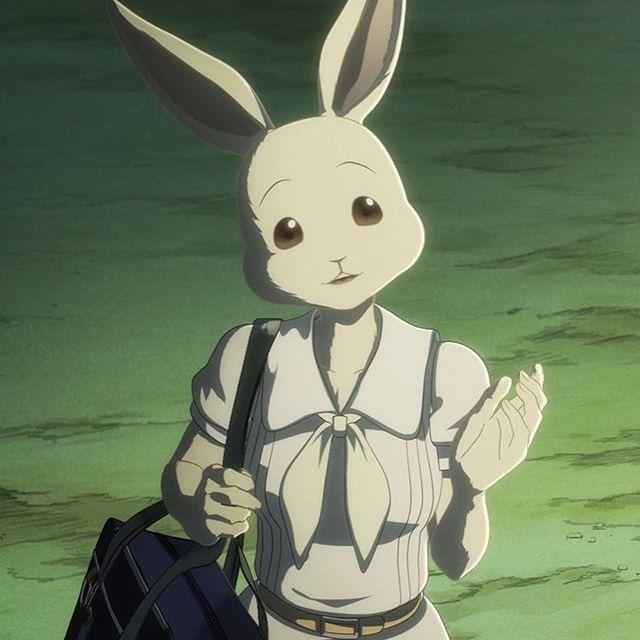
The second strongest function of an ISFP, extraverted sensing, is concerned with all things sensory. People with strong Se need physical stimulation more than others. Additionally, they have a deep appreciation and good natural understanding of things experienced via the senses. As for Haru, she has a strong sexual appetite, as well as a talent for caring for plants and decorating with flowers. It’s clear that this cute bunny girl is driven by Fi and Se, strengthening the argument that she’s an ISFP.
Part 2: Legoshi – INFP
Next, we’ll go over Legoshi’s type. He is INFP: introverted, intuitive, feeling, and perceiving. The INFP type is quiet, loving, thoughtful, and imaginative. The stereotype of INFPs as intensely fearful creatures is most often false; however, they do tend to be socially timid and prone to overthinking, which can lead to anxiety. This much is certainly true of Legoshi, who rarely speaks up for himself and agonizes over most of his interactions with herbivores. INFPs are extremely idealistic, and this is also true of the wolf boy.

Like a typical INFP, Legoshi is often zoning out in the short-term, as well as being rather directionless long-term. However, if an INFP like Legoshi can find things they are passionate about, they are reliable and hard workers – especially if the hobby or job they pick is helpful to others. Legoshi finds a creative outlet in the theater club by working on lighting and stage preparation. As a bonus, it helps the club immensely.
The four cognitive functions of an INFP are introverted feeling (Fi), extraverted intuition (Ne), introverted sensing (Si), and extraverted thinking (Te). We’ll go over the two strongest functions. Just like Haru, Legoshi is primarily driven by strong personal values and rich emotions. The only difference is in the actual values of these two. Legoshi’s morality system is centered around complete altruism toward others and strict self-control with regards to himself. Much of the emotional pain Legoshi endures throughout Beastars is due to his perfectionistic morals. But that’s also part of why we love him.
An INFP’s secondary function is extraverted intuition. In general, Intuition is about cognition and making abstract connections to process information. Intuitive people usually treasure knowledge and are less in tune with the senses. Extraverted intuition is the active, conscious form of intuition. INFPs and others with prominent Ne are often geared toward learning, generating ideas, and using symbolism. Does this fit with Legoshi’s personality?
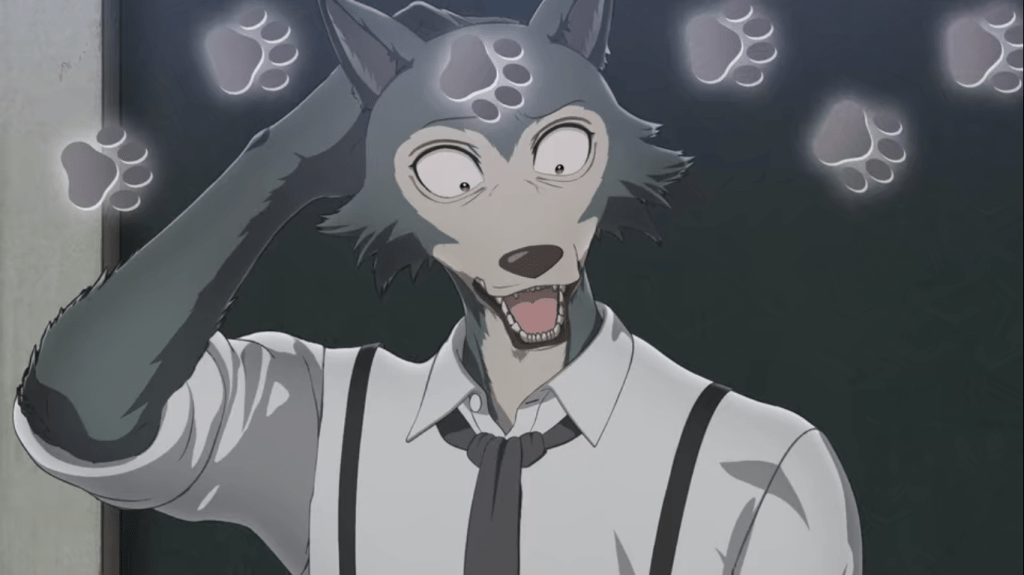
In contrast to someone like Haru, who uses extraverted sensing, Legoshi is more hands-off, spending a lot of time thinking and being introspective. On the other hand, compared to some intuitive characters, Legoshi shows weaker intuition, meaning he is also very in touch with his tertiary function of introverted sensing. That’s why he is so good with physical theater elements like lighting and sets. He may not be the best example of an intuitive, but Legoshi does seem to be a good learner with the ability to think hypothetically.
Part 3: How They Interact – ISFP x INFP
Now that we have a good understanding of the MBTI types of Haru and Legoshi, let’s examine how they interact with each other. The rabbit and wolf formed a strong bond with each relatively quickly despite being from drastically different walks of life, something that wouldn’t be possible for certain personality types. It means these types are quite compatible. For this discussion, we will once again use the cognitive functions.
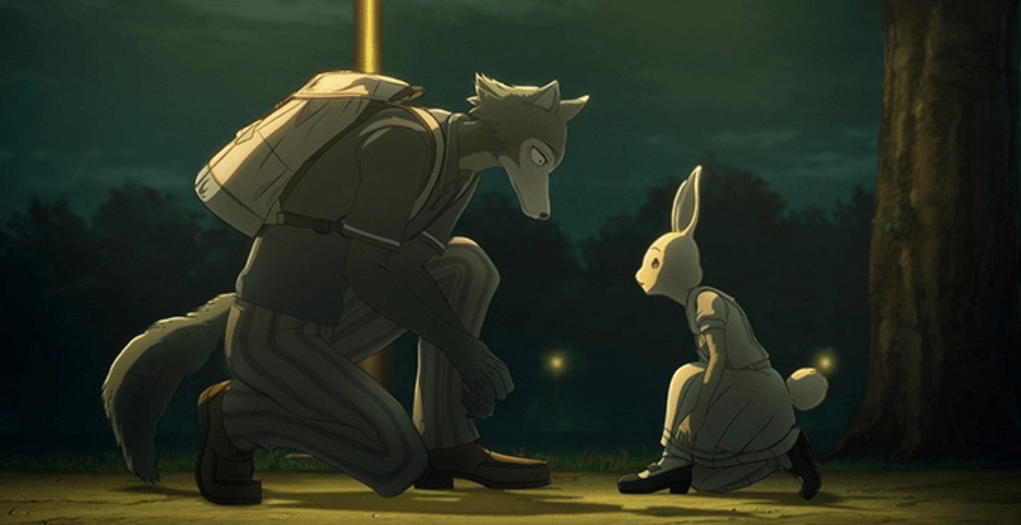
The first function for both types is introverted feeling. Feeling types make decisions based on personal values more than a system of logic. They are also more mindful of the human element and subjective details or concerns. While extraverted feeling is geared toward caring for others and having broad empathy, introverted feeling is about personal experience and caring on a more individual scale. As users of Fi, Haru and Legoshi each have strong personal ethics and powerful feelings that color their life experiences. This shared emotional nature is one reason for their compatibility.
Despite this commonality, Legoshi and Haru have different emotional expressions and specific values. This could lead to some issues in the relationship. Because Legoshi believes in protecting herbivores and because he loves Haru specifically, he will want her to prioritize her own safety in all cases. But Haru believes in living an adventurous life with risk and pleasure. That means she may choose situations that put her in some amount of danger. Haru is also very independent, and wouldn’t respond well to Legoshi getting too protective.
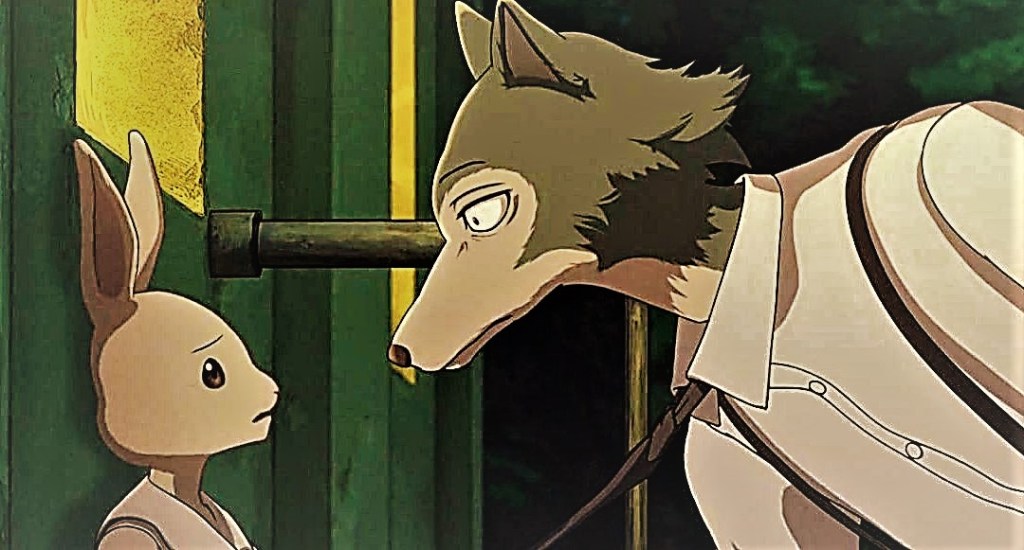
If the couple uses good communication and tempers their emotional reactions in the event of a confrontation, most issues could be easily resolved. But in order to make this happen, they will both need to develop their weakest function, extraverted thinking. This function helps them be more fair, logical, and open with what they share. One would think a relationship would always be smooth sailing for two people with similar emotional natures. Unfortunately, it isn’t quite that simple. It may be difficult for two feeling types to find the logical solutions that come easily to thinking types.

The main difference between these two is that one is a sensing type and the other is an intuitive type. Those with the sensing trait are more focused on reality compared to those who use intuition. In other words, while Legoshi is a space cadet, Haru is more down to earth. She is definitely the more practical of the two. It’s not that Legoshi has no useful skills – it’s just that Haru is better at putting her own skills and good senses to practical use in daily life. She is less of a thinker and more of a doer.
Rather than creating conflict, these differences can often produce a desirable balance in a relationship. Haru can keep Legoshi grounded when he needs it, and Legoshi can introduce new ways of thinking that Haru has never considered. More specifically, Haru’s Se trait can help make a sexual relationship better for them both. It’s harder to find a practical use for Ne, but generally speaking, Ne users are academically proficient. Legoshi might be able to help Haru study school subjects she finds boring or difficult.
Part 4: Closing Thoughts
Though it may be more complex than it appears on its face, a relationship between ISFP and INFP has a good chance of working. Legoshi and Haru are both emotional creatures who fiercely stick to their opinions and values. They also share the following traits at various levels of strength: introversion, impulsivity, creativity, and understanding. With so much in common, and the genuine desire to respect each other, they can certainly get along.
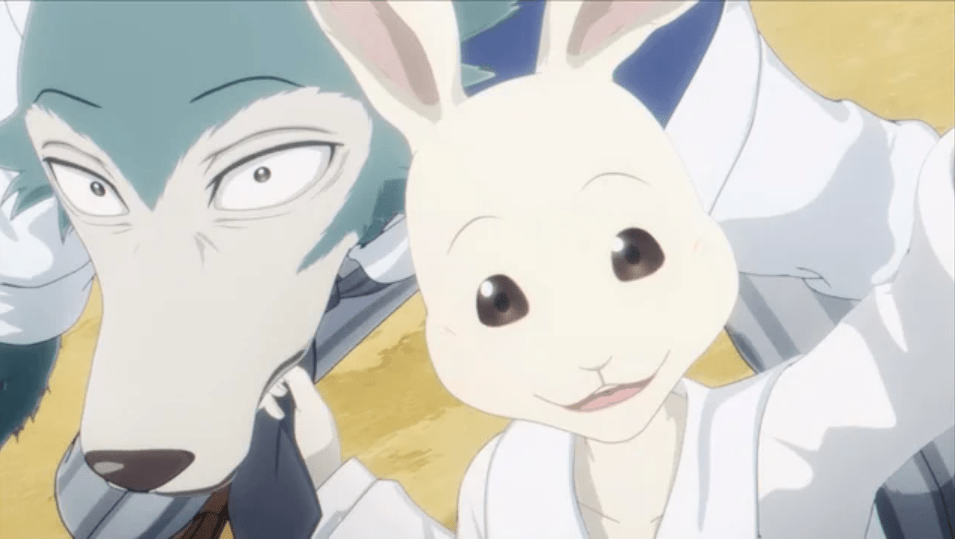
Legoshi and Haru lack organization skills and a strong sense of direction in life. In addition, their emotional natures might make them butt heads. They will both need to work on communication. Outside of the MBTI, they will also need to figure out their physical differences and how to deal with judgement from society. However, when all is said and done, a couple like this can definitely find joy together.
Thank you for reading~
 Anime Rants