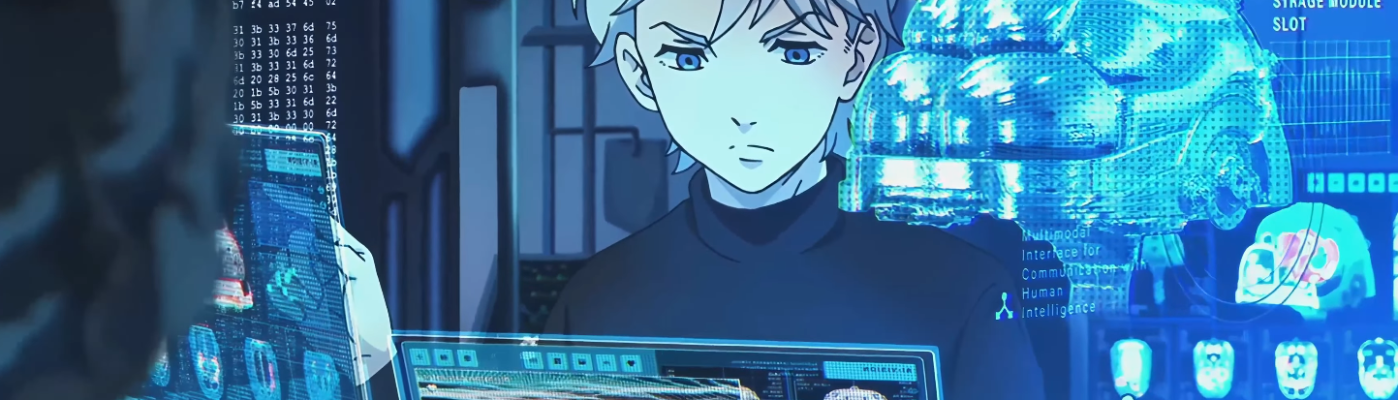
In the future, society is no longer ruled or inhabited exclusively by humans. There are also humanoids, advanced AIs that use biotic bodies all but identical to human bodies. These humanoids are as conscious as humans, so they are considered citizens with rights. There are also robots, mass-produced humanoids with limited emotional capacity (and no rights, for some reason.) In this not-so-alien world, Hikaru Sudo is a doctor who helps humanoids with all sorts of issues. So begins The Gene of AI.
Despite having this promising setting and being made by a studio that typically handles good sci-fi (Madhouse), The Gene of AI was disappointing in several ways. My personal enjoyment level was quite high, but aside from that, it’s a pretty plain anime. Considering how much I wanted it to be super amazing, I feel let down. I still think The Gene of AI is an above-average anime in most ways, but that doesn’t mean it lived up to my expectations. We’ll cover my reasoning in the five categories of this review.
Visuals: 6
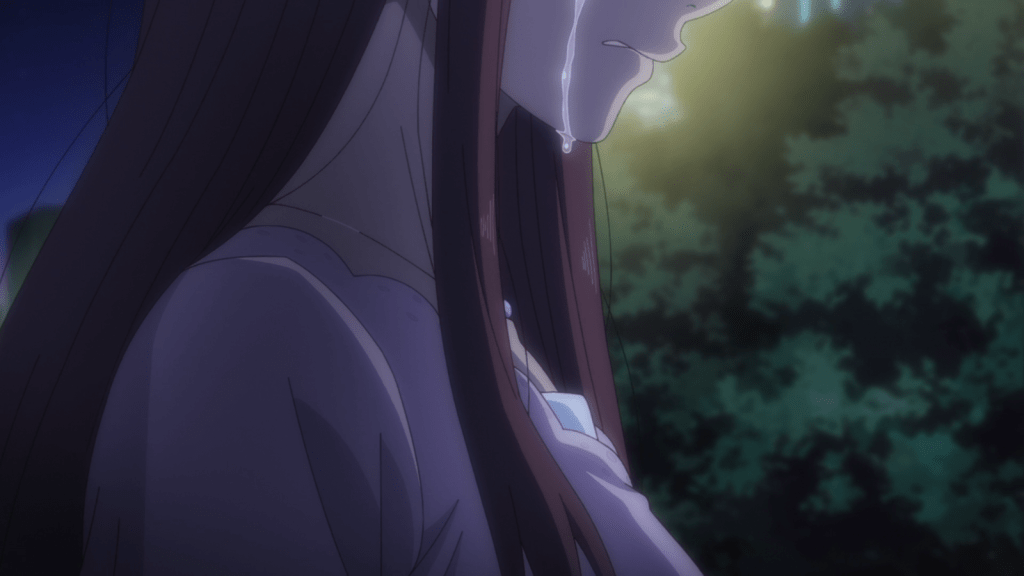
The visuals are not absolutely horrible, but they’re mediocre and a bit off-putting at the best of times. Besides the one defining feature (giving humanoids differently shaped pupils), the art-style is plain and boring. It always looks slighty “off” to me in terms of body proportions, but not in the same way as most anime art. It seems accidental, like the animators weren’t sure if these characters were supposed to be children or adults. Sudo’s baby-face throws me for a loop given that he’s at least 30.
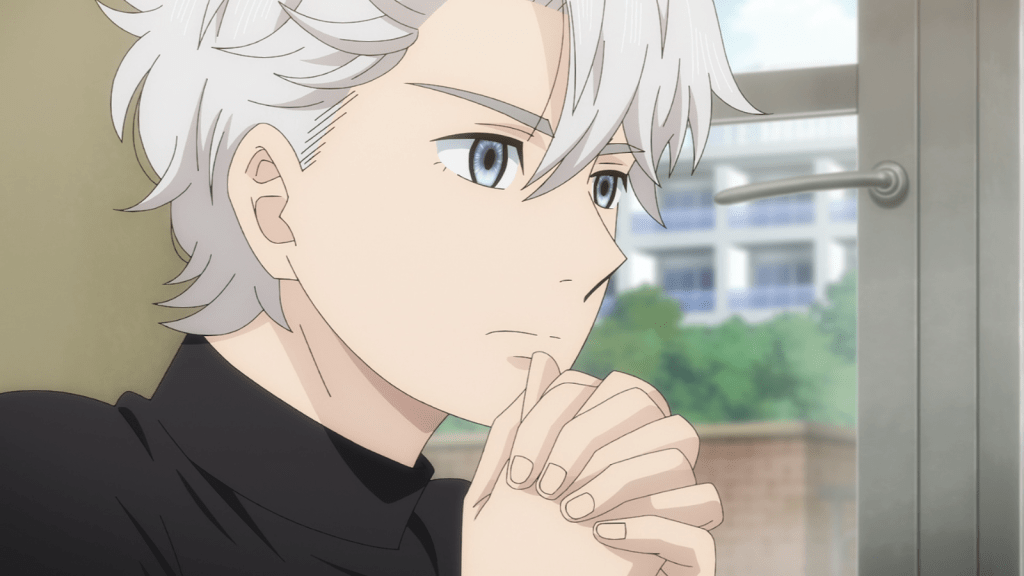
The character designs were fairly boring. The most creative ones are Sudo and Michi with their pure white hair. The rest of the people look very generic. When an anime wants to have relatively realistic-looking characters, it’s easy to make them look bland by accident. So the best way to balance it out is to have smooth animation and memorable but believable face expressions. Unfortunately, The Gene of AI often failed with this. The animation was banal and the face expressions were overly exaggerated in most cases.

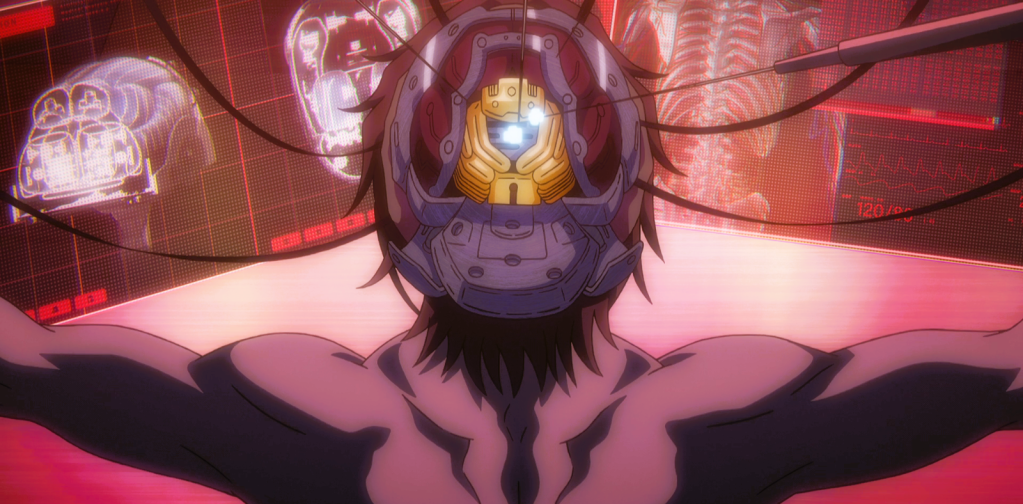
Although the actual anime hardly incorporates any 3D/CGI, the visuals for the opening song do use some for the scene of the fetus growing – and it’s absolutely horrible. I doubt there’s anyone in exisence who could look at that and think it’s impressive. It might have been acceptable 3D/CGI in the first half of the 90s, but that was three decades ago. Moreover, those fetus things look disturbing as all hell. Talk about uncanny valley!
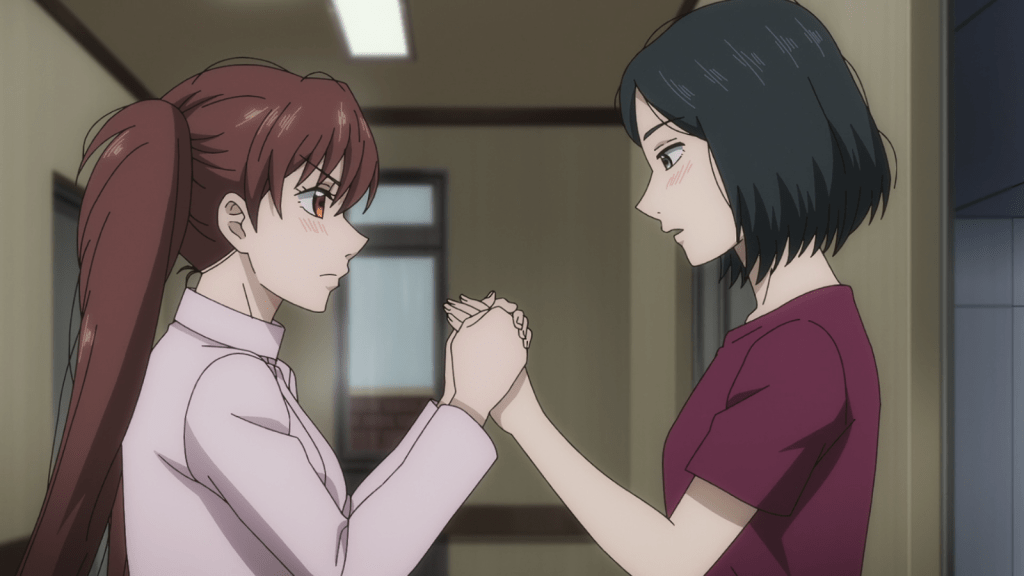
My desire to defend Madhouse studio is strong, so perhaps that’s why I still grant the visual category a 6. Also, to be fair, there were certain elements of the art and animation that were decent. For example, I often liked the lighting and camera angles. Despite disliking most of the face expressions, I enjoyed Risa’s cute reactions. Furthermore, Kaoru’s character design was neat and attractive. Overall, things could have been much worse, so I’ll take what I can get.
Story: 8
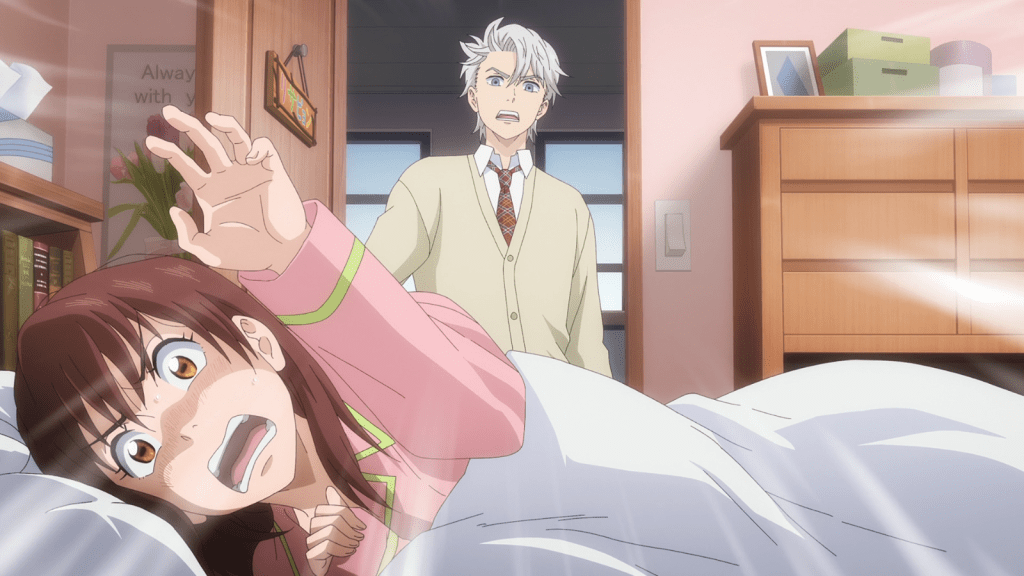
In each episode of the The Gene of AI, Sudo helps different humanoids with problems that often reflect dilemmas about technology (both theoretical and existent). Though most of the series is episodic in nature, there are also several over-arching aspects of the plot, such as Sudo’s quest to find the copy of his mother. Risa’s romantic feelings toward Sudo is another consistent subplot. The cases of humanoids who need help are often a bit on-the-nose. However, overall, they are emotionally poignant and interesting.
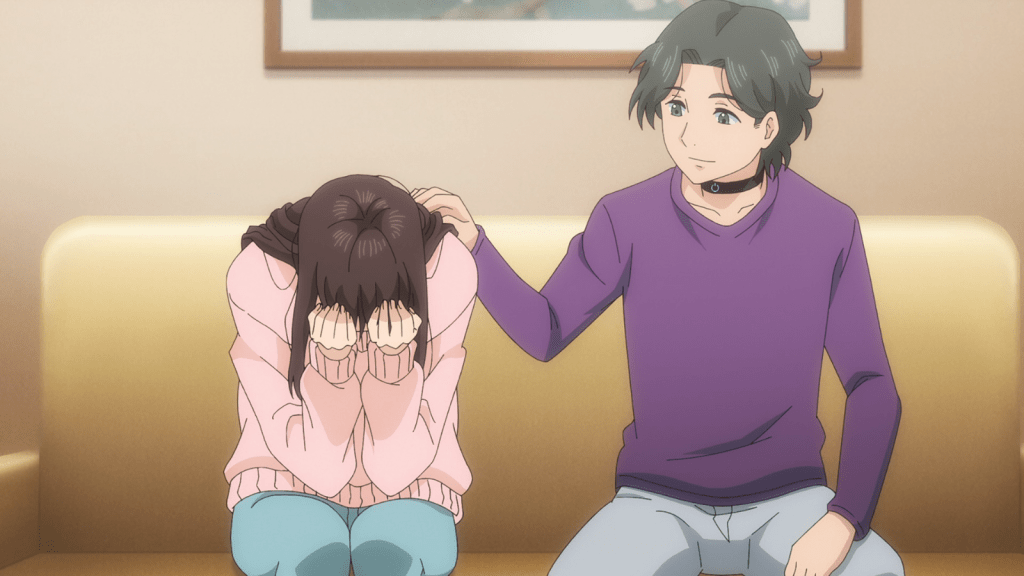
As you can see, this story structure is very simple – so simple, in fact, that we definitely need to look at other variables in order to fairly judge the narrative quality. Besides plot concept and structure, the story category as I see it also includes the following elements: world-building, exposition, themes, social commentary, and balance of different types of content (for instance, humorous and emotional scenes).
The Gene of AI is decent when it comes to content balance and excellent with themes and social commentary. Unfortunately, however, it fails miserably with exposition and basic world-building. Nothing about the way humanoids work is ever satisfactorily explained. It’s the same with robots. While I understand that the nature of identity is supposed to be up for discussion, it’s annoying that this anime shies away from any explanation at all for AI “hearts.”
Where do the biotic bodies of humanoids come from? How and under what circumstances are new AI personalities “born”? We were told that “The Singularity” happened some time ago, but we don’t have any historical or technological details. How is consciousness measured or how would any organization determine whether an AI has a “heart”? There are many other important questions that remain unanswered. Lack of world-building is one of the chief arguments against this anime.
Depending on the specific anime series, I would normally dock some amount of points for such vagueness in world-building and exposition. However, it matters much less for some shows than for others. The Gene of AI is best enjoyed as a series that deals with theoretical problems given a certain set of preset conditions. It’s not super important to know the explanations behind those conditions – though I agree it would have deepened my interest in the show if explanations had been provided.
I often enjoy stories that leave a lot up to interpretation or stay vague. That’s part of why I still gave the story category 8/10. But the main reason for the high score is that this anime is relevant and important for society. Many of the problems explored in this show are things we already deal with in some capacity. The rest will most likely become real given enough time. Once “The Singularity” happens, we’ll have a world where AI can be fully sentient and conscious. What moral dilemmas will we need to tackle then?
Because The Gene of AI is so salient in a socio-politically sense, I can forgive it for being very vague and nonspecific. The story category is very strong overall.
Audio: 7
I didn’t notice much about the instrumental OST one way or the other, but the opening song is “No Frontier” by Aile The Shota. This song isn’t my usual style, but it still sounds good, and it grew on me more over time. Now, if only it wasn’t paired with bizarrely ugly CGI fetuses, I would love the song even more. The ending song, “Wasurenagusa” by GReeeeN, is a smooth, easy-going rock ballad with a fairly strong and emotional chorus. I prefer it to the opening, but it all depends on what you like.
As for the voice-acting, while it wasn’t bad by any means, a lot of it just didn’t stand out to me. Takeo Ohtsuka, voice of Hikaru Sudo, only started voice-acting in anime about four years ago, so I’m not familiar with him or his level of talent. Yume Miyamoto did fine as Risa Higuchi, but she has a very generic young anime girl voice in my opinion.
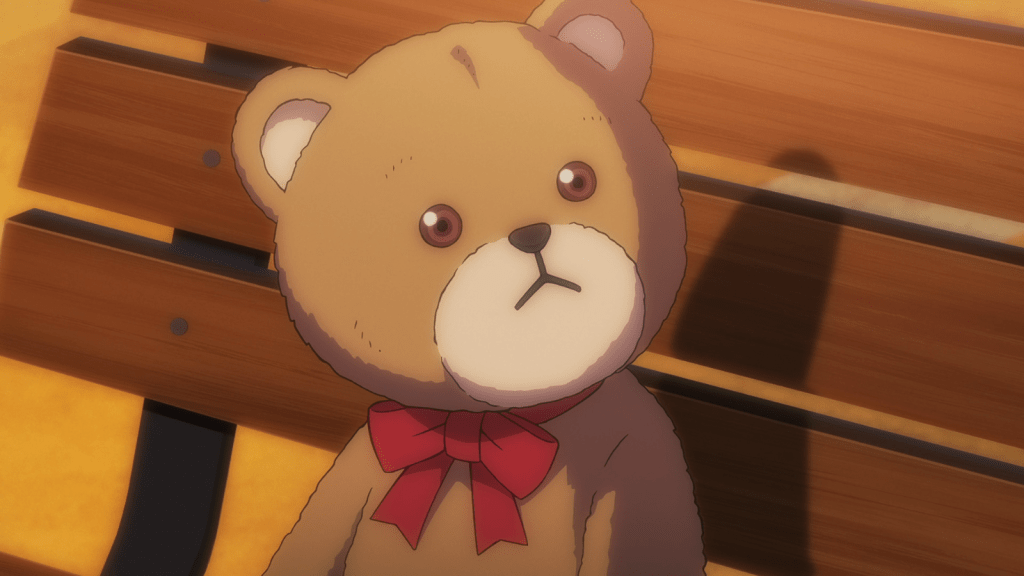
On a final note, I noticed a few brief appearances of well-known and prolific voice-actors. Rie Kugimiya voiced Poppo the AI teddy bear, and Natsuki Hanae played the young humanoid teacher, Shinohara.With decent songs and good voice-acting, the audio category deserves about 7/10.
Characters: 7
In The Gene of AI, the majority of characters only appear in one episode. So, it barely matters if they are underdeveloped, as long as they have decent concepts. I think most of these supporting characters succeeded in having interesting stories and believable personalities. As for the main characters Sudo and Risa, they weren’t super well-developed. We got a fairly good idea of their personalities, but they could have been fleshed-out so much more. It took until the last two episodes for me to even start understanding Risa’s personality.
Risa and Sudo also have unoriginal and rather shallow character concepts. Sudo is an emotionally distant genius, albeit kinder and more polite than the usual stereotype. Risa is a bouncy, optimistic young woman with a highly emotional nature. These concepts aren’t exactly bad, but they’re not unique or impressive, either. With decent side characters but somewhat disappointing main characters, I would normally give this category a 6. However, there is another factor to consider.
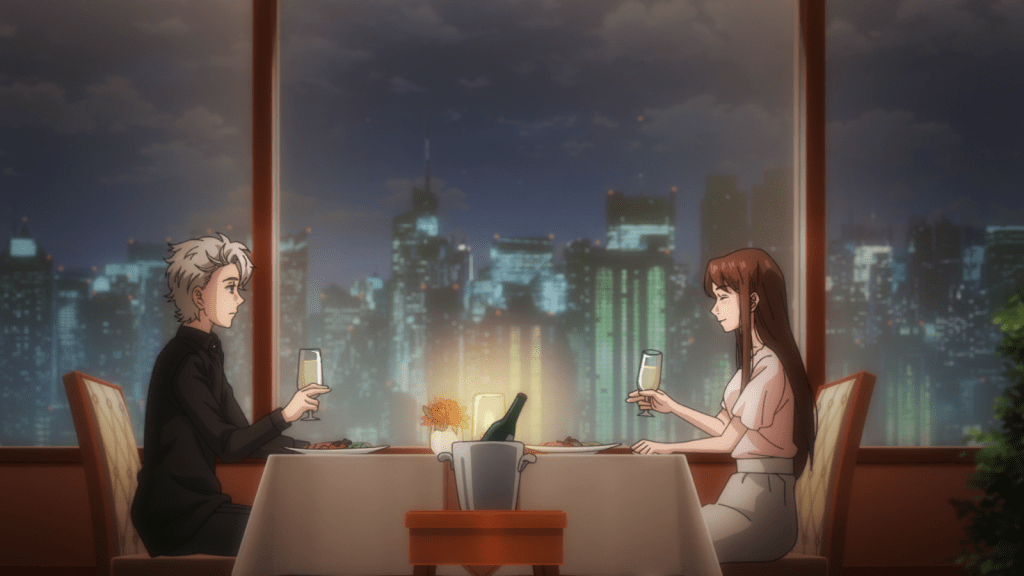
The Gene of AI did exceptionally well in terms of LGBT+ representation and acceptance. Non-hetero romance and sexuality were not only mentioned several times, but they were also never condemned as “wrong.” That’s progressive coming from Japan. This anime also featured two obviously LGBT+ supporting characters. Kaoru is a nonbinary individual who used technology to modify their body. Miss Miyoshi, AKA “Breezy,” is a lesbian with a crush on Risa. Neither character was excessively stereotyped.
One might try to argue that “AI doesn’t have sex or gender.” However, I don’t think that’s accurate in The Gene of AI. Post-singularity humanoids are equal to humans in consciousness, intelligence, and emotionality. They have gender identities and can presumably undergo sex changes, too. The entire point is that humanoids are hard to distinguish from humans because they share so many characteristics – including sex and genders that aren’t always binary or determined at birth.
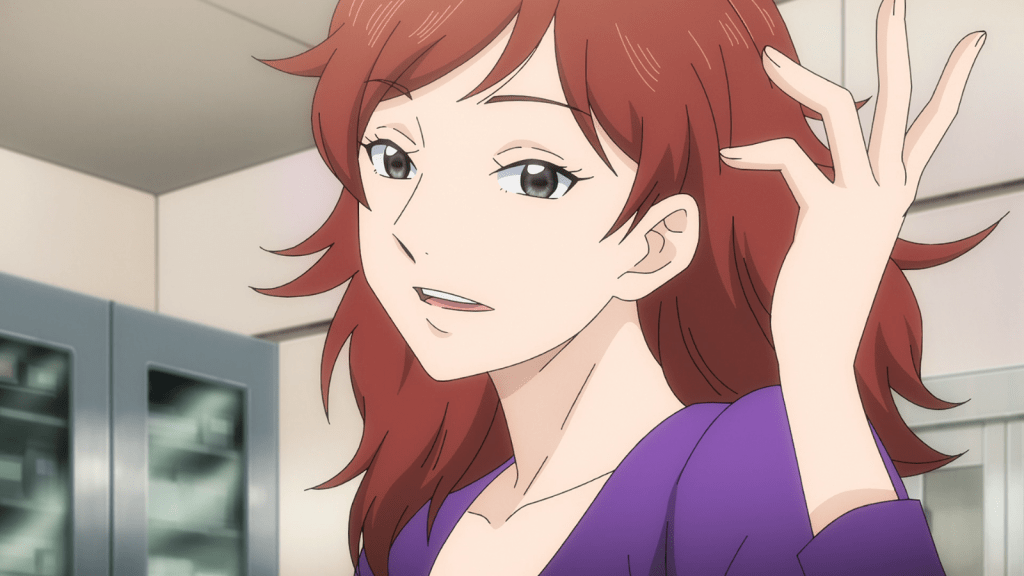
Representation and inclusion are important to me in anime, as I am a pansexual and nonbinary person. Due to this anime’s positive discussion of LGBT+ ideas and characters, I bumped up the score for the character category.
Enjoyment: 8
The personal enjoyment category is a good indicator of what I truly think about an anime, as opposed to the overall score, which is supposed to be more balanced. The Gene of AI is not an 8/10 anime in terms of quality when trying to be critical. But for me personally, it’s a very solid 8/10. With that in mind, let me give a few examples of what I enjoyed in this anime.
Though I felt moderately annoyed by the lack of explanations for how humanoids work, I was much more interested in seeing the problems explored in their individual cases. My favorite cases were probably Joe the companion robot, Kaoru and their body modifications, Perm the school robot, and of course, the case of Tu Fui, Risa’s copy. The fantasy generator in the 4th episode was also highly amusing.
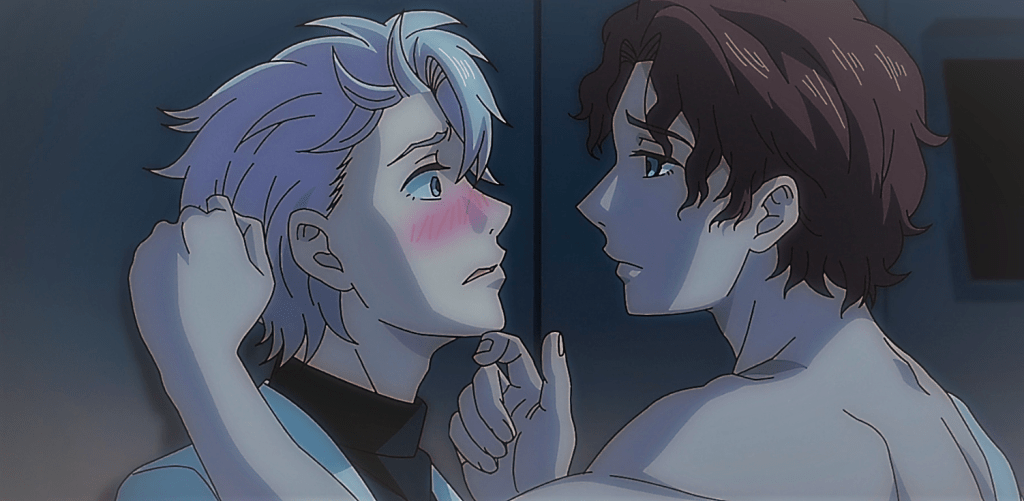
Besides appreciating many of these cases and their implications for society, I also loved the LGBT+ representation. Kaoru is very cool and attractive. Miyoshi, AKA “Breezy” was probably my favorite supporting character. As for the other characters, Sudo is interesting, and I grew to like Risa over time. Michi, the “Super-AI” in the body of a child, also fascinated me. There was a lot to enjoy in The Gene of AI, so I hope we get a second season soon.
Overall Score: 7.2 / 10.0
As you will know if you read my reviews, the overall score is calculated by taking the average of the five numbers for the categories above. While 6s are usually mediocre, a number in the 7s range is good. Personally, I want to give The Gene of AI an even better score somewhere in the 8s. But in the interest of being as honest and fair as possible, 7.2 is the number with which we end.
Thanks for reading~

 Anime Rants
One thought on “Relevant but Vague: The Gene of AI Review”