
Fruits Basket is probably the most iconic title in shoujo anime. It boasts a number of different appeals – reasons for its lasting popularity, and why fans like myself can connect so deeply to this story. This will probably be the first of three or more posts in a blog series discussing Fruits Basket. In each post, I will zoom in on one special strength that indisputably contributed to the success of this anime.
As for today, it’s all about the characters. Fruits Basket excels at making characters relatable and/or understandable. That’s a major strength. Since Fruits Basket spans three seasons and features a large cast of characters, there’s no way for me to write about all of them and in what ways they were relatable to me. So I just picked a handful of characters that I genuinely wish to write about today. The five character discussions are divided into sections for easier reading. Please enjoy the article.
Disclaimer: This article is about the three seasons of Fruits Basket that began in 2019, as opposed to the original first season from 2001. While I respect the 2001 version, the remake provides a lot more content for me to work with – plus, I prefer the more serious atmosphere.
Warning: This article may contain spoilers for Fruits Basket across all three seasons.
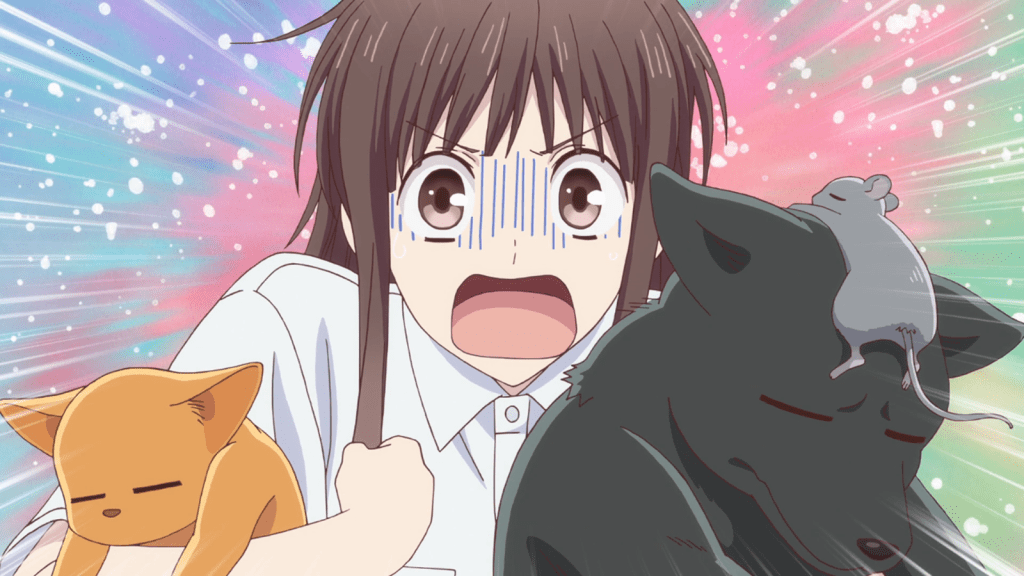
1) Tohru Honda: Mary Sue?
One strong suit of Fruits Basket is its propensity to allow viewers to sympathize or empathize with the characters. Virtually all cast members are flushed out extremely well, including the main heroine, Tohru Honda. I’ll spend a bit of time writing about her, as she’s so important to what I seek to communicate.
I didn’t always like Tohru, especially early on in the series. My reasoning was that I couldn’t relate to a character who was so innocent, polite, and good of heart. Some people dislike her because they are annoyed by her voice, over-the-top optimism, or lack of traditional intelligence. As for me, I think most of those traits are cute. Tohru is adorable – but adorable does not necessarily equal relatable.
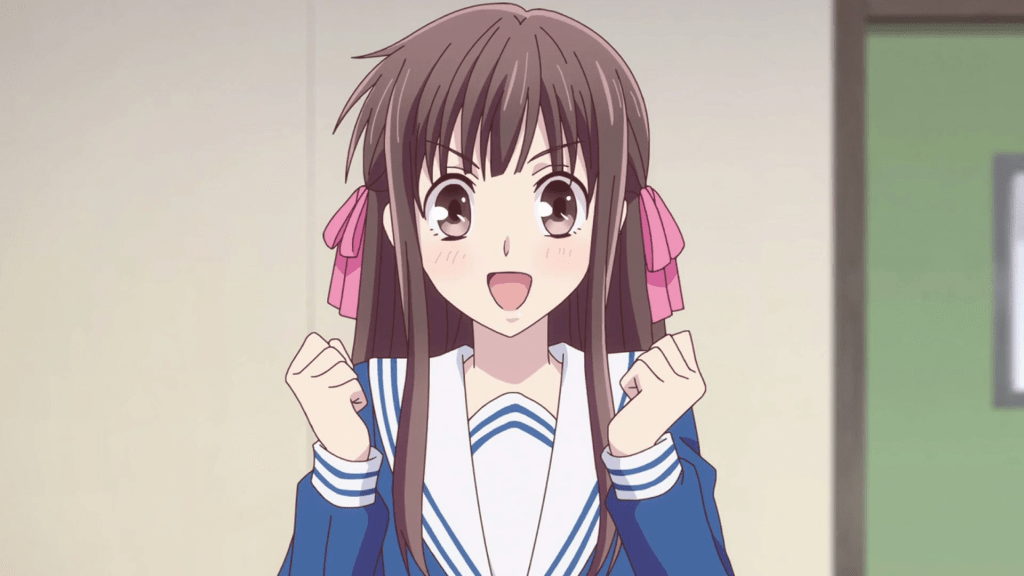
The online Fruits Basket fandom is divided between those who view Tohru as a pure Mary Sue and those who see her as broken and flawed like any other character. I am in the second camp. Although I do understand why Tohru is easily mistaken for a Mary Sue, I’m here to argue that she is a multi-faceted and extremely well developed character. The evidence is the fact that the anime made me empathize with Tohru despite our many personality differences.
I was eventually able to empathize with Tohru thanks to the good characterization in Fruits Basket. Tohru’s hyper-polite way of speaking started because she was copying the way her father used to talk in order to get attention from her extremely depressed mother. Her absurd level of positivity is often forced as a way to mask and fend off serious depression and grief from losing both her parents.

I can go on. Tohru’s practical skills like cooking and cleaning were developed because she had to take care of her mother, who was often too busy and/or too depressed to handle things on her own after her husband died. Tohru thinks she always needs to be useful and helpful, or else others might abandon or reject her. I hope these examples have made it clear that Tohru is not a Mary Sue and that there are heart-wrenching reasons for most of her “heroine” behaviors.
2) Akito: A Borderline B*tch
It’s not just the heroes like Tohru who are well-developed and relatable. The antagonistic characters or those with serious flaws are also explored thoroughly in a way that makes it possible for viewers to empathize with them. The most obvious example is Akito. As you recall, she is essentially the “villain” of Fruits Basket. Her horrible abuses are numerous, eventually culminating in attempted murder.
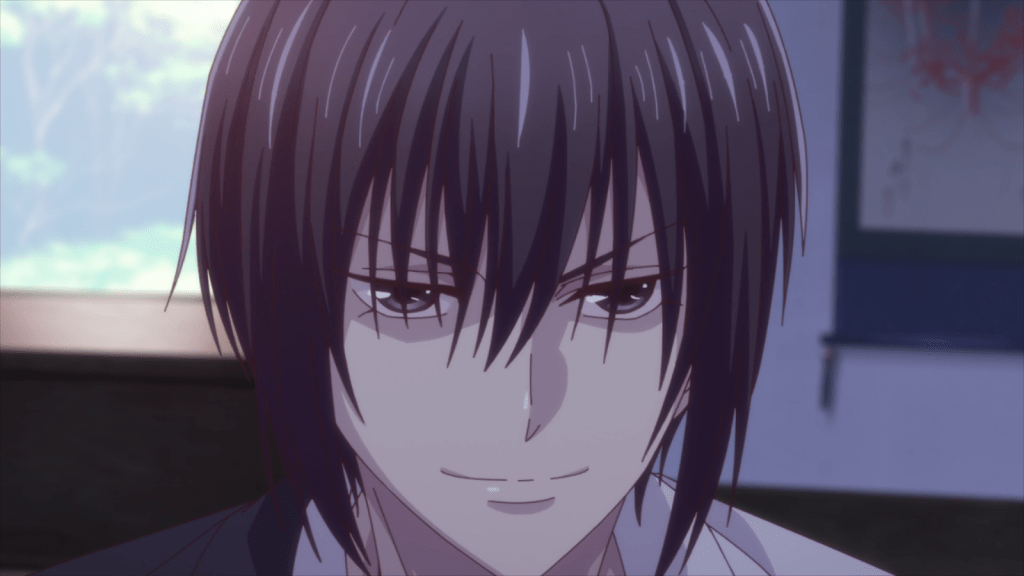
By the end of the series, many fans are in Rin’s camp: they still hate Akito, with good reason, and prefer not to think about her much. Other fans may enjoy Akito as a psychological puzzle that was fascinating to explore. And other fans still – myself included – feel a twinge of empathy toward Akito.
As the series points out several times, Akito is, above all else, pathetic. A lot of toxic people are this way – making others feel inferior to avoid addressing their own internal sense of inferiority. Though easy to hate, Akito is also easy to pity. She is weak, sad, and terrified of existence. This part of her is what allows me to feel some empathy.
Unlike Akito, I struggle not to be toxic or hurt people around me. However, my psychological state has been – and sometimes still is – very similar to hers. Akito is a traumatized person with serious abandonment issues. She cannot handle those close to her “abandoning” her – whether in reality or just in her skewed perception.
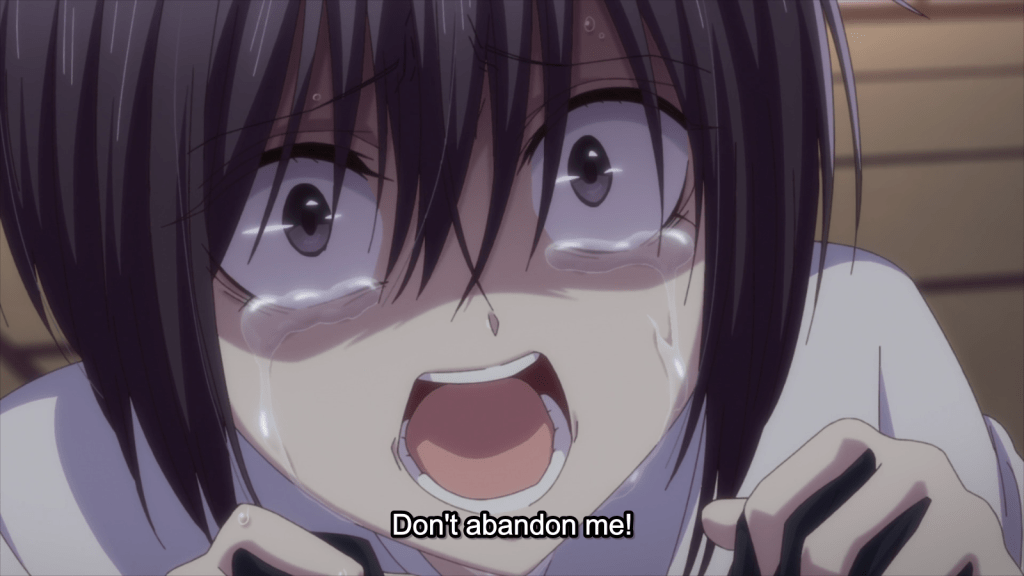
Akito wants a guarantee of love from others, which is why she strives to control and dominate the lives of the Zodiac members. Unfortunately, even as the Zodiac God, you can’t force people to love you. There is never a guarantee of love, and this is a scary and sad fact. Fruits Basket is a great show for showing us Akito’s fragility and weakness in addition to her evil acts, thus allowing audiences to understand her to a degree.
3) Hiro Sohma: A Child
Moving away from Akito, there are other examples of character development that can prompt unexpected empathy. Take Hiro Sohma, a young boy who has the Ram Spirit of the Zodiac. Hiro is not a violent boy, but verbally, he’s hostile, aggressive, and sometimes manipulative. To put it simply, he’s a little asshole. While Hiro is intelligent and analytical, he also has the impatient and socially underdeveloped brain of a child.
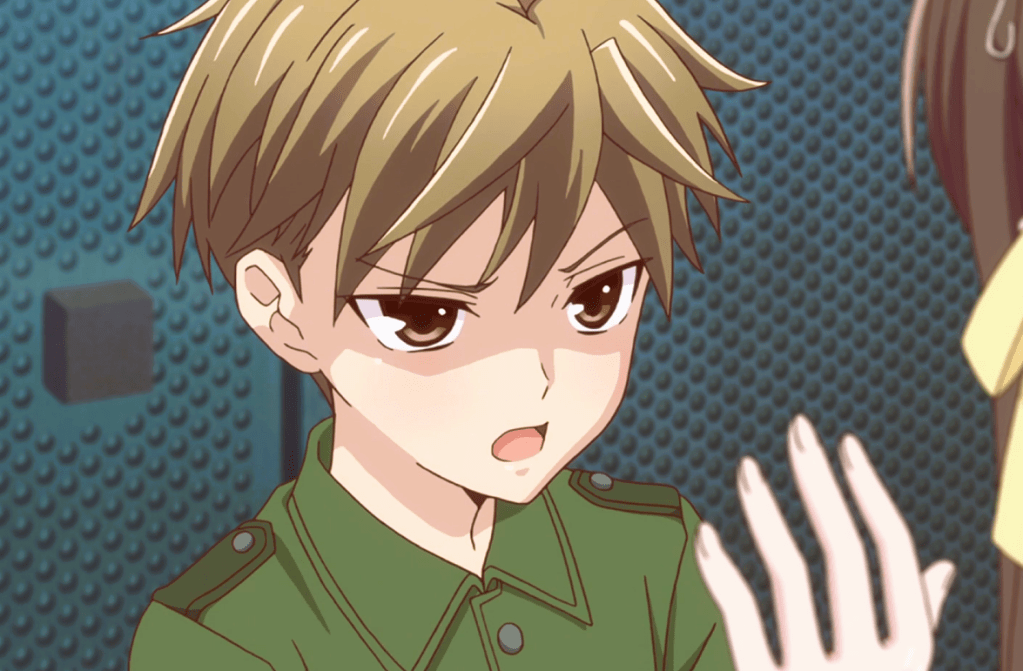
Since Hiro treats Tohru so badly, especially when he first meets her in episode 20, many Fruits Basket fans dislike him. I also felt annoyed with Hiro early on, which is why I was surprised by his sudden insight at the end of the episode. Hiro realizes his recent choices and responses were highly immature and emotionally fueled. So, he says:
“Why? Why am I such a child? Even though I can’t do anything – even though I’m just a bratty kid – I actually got jealous of her (Tohru) for stepping in and helping. I am the worst! I’m sick to death of how childish I am. I don’t want to be like this. I want to become a mature adult.”
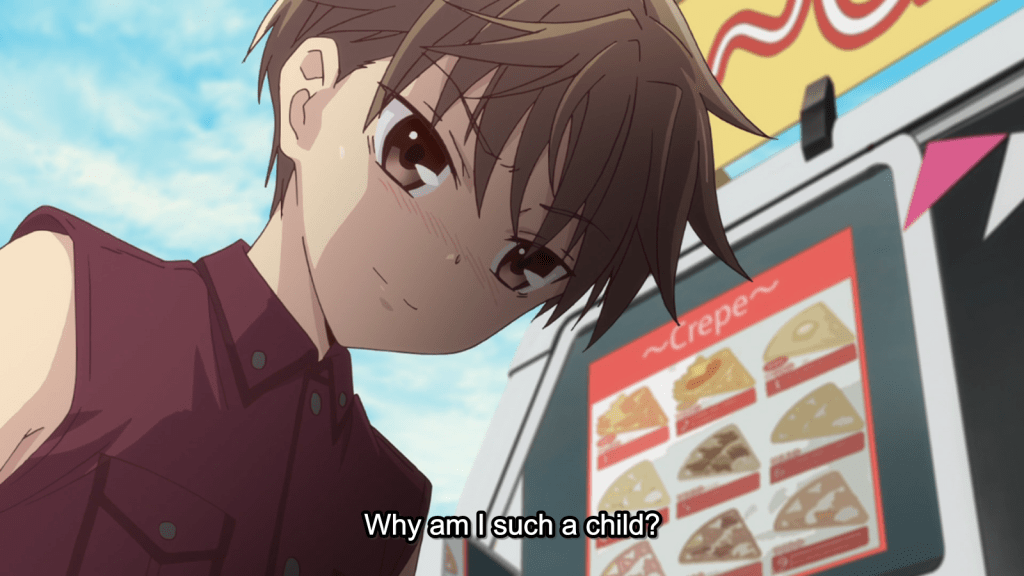
When I heard those words, I understood and felt compassion toward Hiro for the first time. Unlike Hiro, I’m an adult – but I rarely feel like one. I am embarrassingly childish and I hate it. Leave it to Fruits Basket to make me emotionally connect to a bratty kid.
4) Shigure: A Cunning Canine
Next up is Shigure, a man cursed by the Zodiac Spirit of the Dog. He is a highly popular character, and not just because of his good looks and sexy voice. In addition to his sexual appeal and easygoing charisma, he has a few genuinely commendable traits: namely, intelligence, open-mindedness, and blunt honesty. If nothing else, I admire some aspects of Shigure. Whether or not I can relate to him easily is another story.
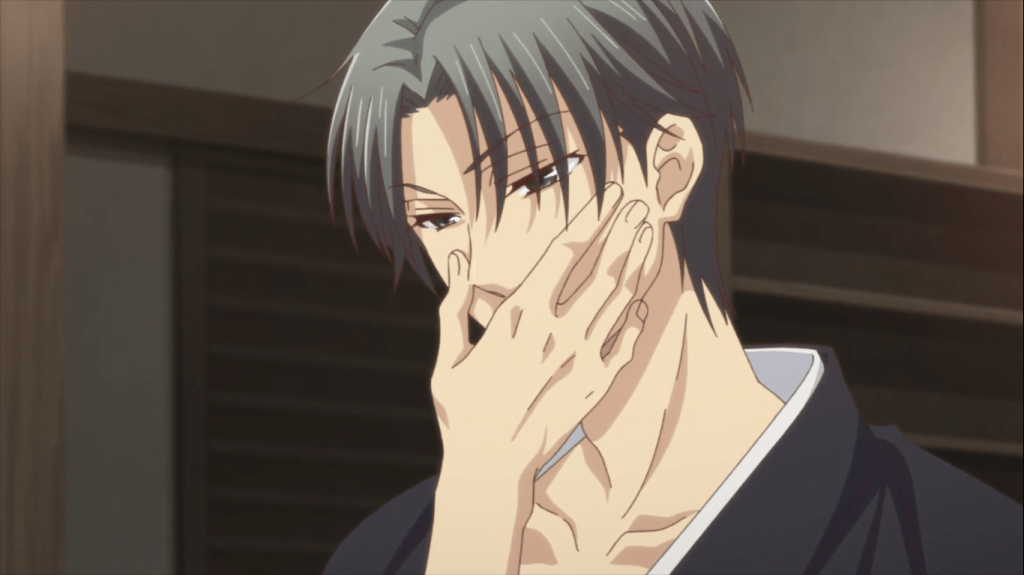
While I find some of Shigure’s psychology fascinating, I had trouble understanding him or sympathizing with him at most key points in the story. Shigure rubs me the wrong way. To put it frankly, he is creepy. He “jokes” about coming on to Tohru in several instances, and he is excited by the idea of looking at highschool girls. Perhaps you can dismiss those as crass humor, not to be taken seriously. But what about Akito?
It makes me uncomfortable that Shigure fell in love with Akito when they were both still so young. Akito and Shigure have an age gap of about 6 years, which Shigure being older and smarter. That’s not a problem for me once both of them are adults. However, in the flashbacks in the third season, Akito only looks about 9, which would make Shigure 15. See what I mean by uncomfortable?
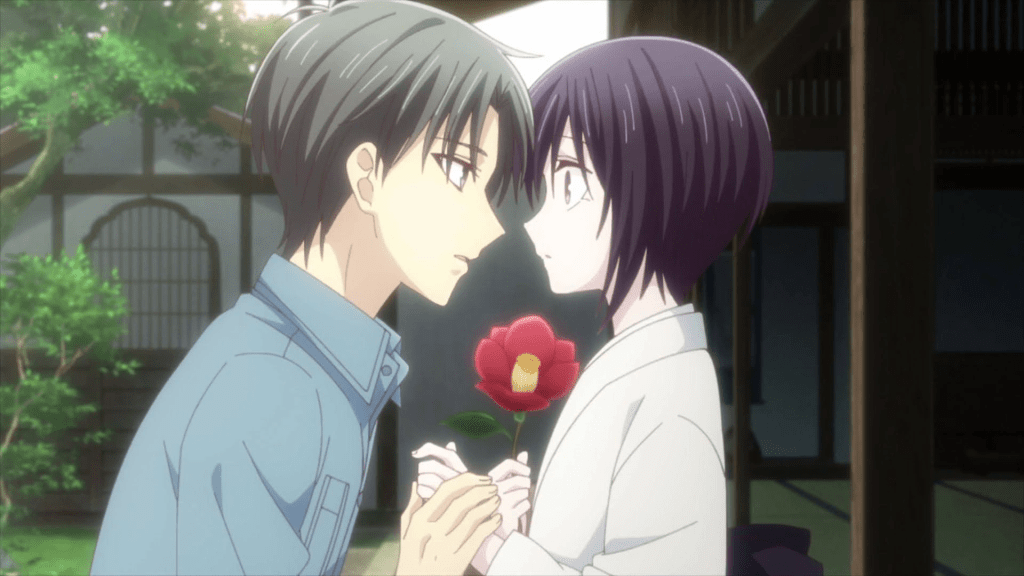
Even aside from anything sexual, Shigure is sometimes rather nasty in other ways. He loves to scheme, conspire, and tease people to no end. He is conniving and opportunistic. With all this going against Shigure, it’s hard for me to empathize with him. Nevertheless, Fruits Basket eventually surprised me and found a way to make this character somewhat relatable to me. Shigure has a hidden ugly side: a jealous, petty, and obsessive heart. I can identify with that.
For those that may not know, I am diagnosed with Borderline Personality Disorder. Though I’ve become much healthier with life experience and therapy, I had times in the past when I was extremely toxic. Shigure doesn’t seem like he has BPD specifically; if anyone has BPD, it would be Akito. However, Shigure’s toxicity in some ways reminds me of my own during my early romantic relationships.
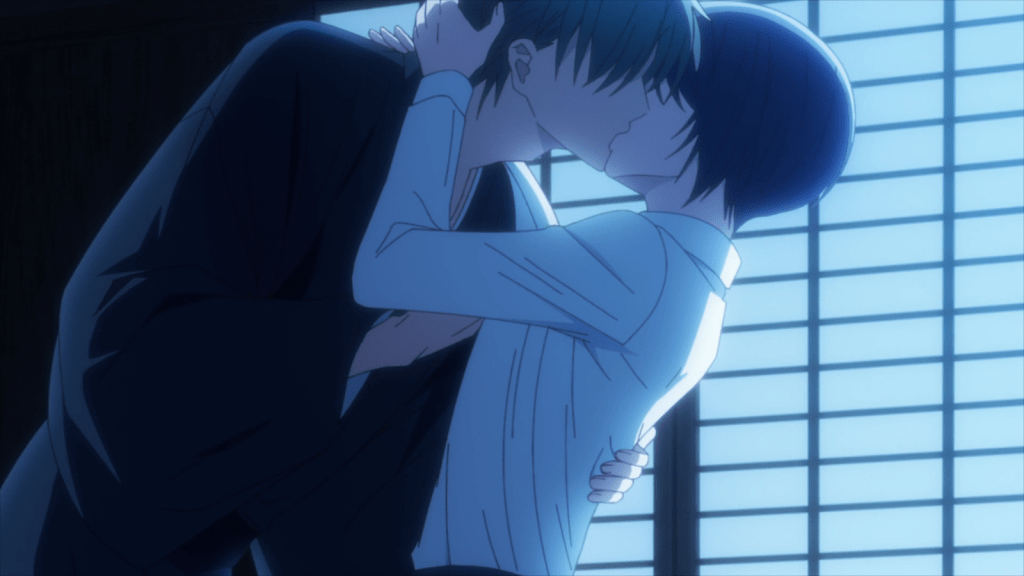
Despite his cool exterior, Shigure’s love for Akito is wild and mad. He wants a normal relationship with her, but that’s impossible as long as the Zodiac curse lasts. He finds Akito incredibly sexually appealing, but hates her violent and manipulative habits. The result is a strained and toxic romance. Shigure is also highly jealous, wanting to monopolize Akito’s affection and sexuality. Shigure’s love is intertwined with insecurity and frustration. I remember what that feels like.
5) Kagura: Never Boaring
Before I close out for today, I’d like to mention one final character as quickly as possible: Kagura Sohma. While she has a fair share of fans in some spaces, Kagura is generally viewed as one of the most annoying characters in Fruits Basket. More than some of the others cursed with by the Zodiac, Kagura’s personality was strongly influenced by her animal spirit, the Boar. As such, she’s incredibly strong, loud, blunt, and quick to anger. She fiercely charges after what she wants, regardless of how it affects others.
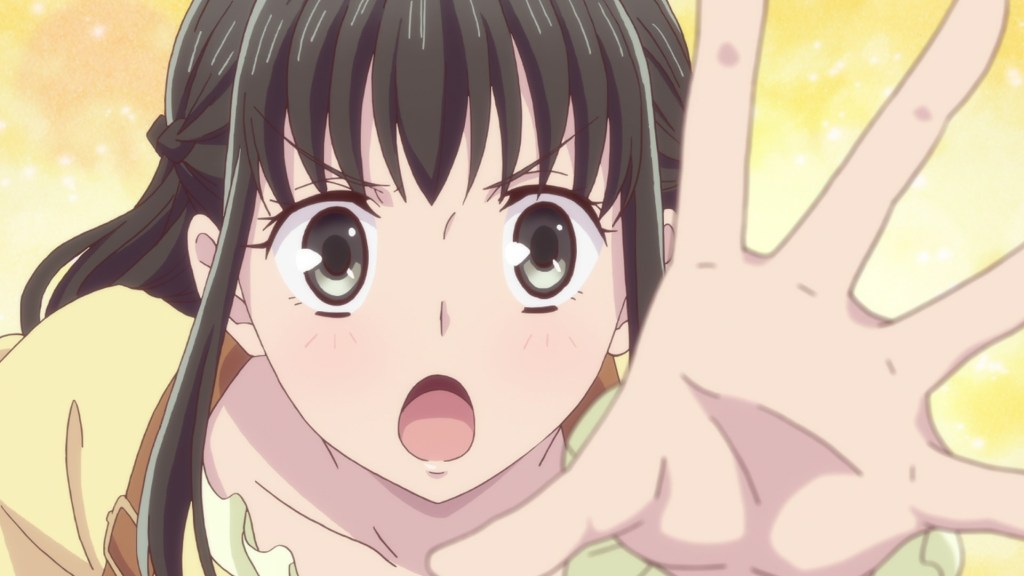
Though I often admire assertive female characters, I had trouble truly liking Kagura until the middle of the second season. She finally told Kyo about her feelings for him in the past and the present. Kagura pitied Kyo, and also felt guilty for exposing his monster form when they were children. So, she took it upon herself to be someone who would love and adore Kyo. While she did genuinely fall in love with him over time, it started with selfish and condescending thoughts.
Plenty of people – especially teenagers – pursue love for selfish reasons. Kagura is not a bad person for falling into this common human pattern. What makes Kagura special is how much she agonized over it. She was full of guilt, remorse, and frustration at her own selfishness. Seeing Kagura struggle this way was what made me sympathize with her. I’m sure my love has been selfish and condescending in many cases, and I also agonize over the past. That’s why I really feel for Kagura.

Now, I could go on about different characters until the cows come home. I want to keep rambling – especially about Rin, Hatsuharu, Yuki, and Hanajima. But going on much more would make this article too long for a single blog post. Presumably, my point has been made effectively: Fruits Basket is unmatched in its ability to make me feel for the characters – even the ones I didn’t always like or understand. This is an indisputable mark of a great anime.
Thank you for reading~
 Anime Rants
2 thoughts on “Fruits Basket Discussion: Relatable Characters”