
Jujutsu Kaisen‘s second season continues its violent and chaotic run as the year draws to a close. The Shibuya arc has been chock-full of content worth discussing. But for now, rather than ramble a lot for the intro, I’ll jump right into the episode reviews. Not that these are not episode recaps, but just my thoughts and responses. As always, feel free to comment with your own thoughts.
Episode 18 (or 42): Right and Wrong (Part 1)
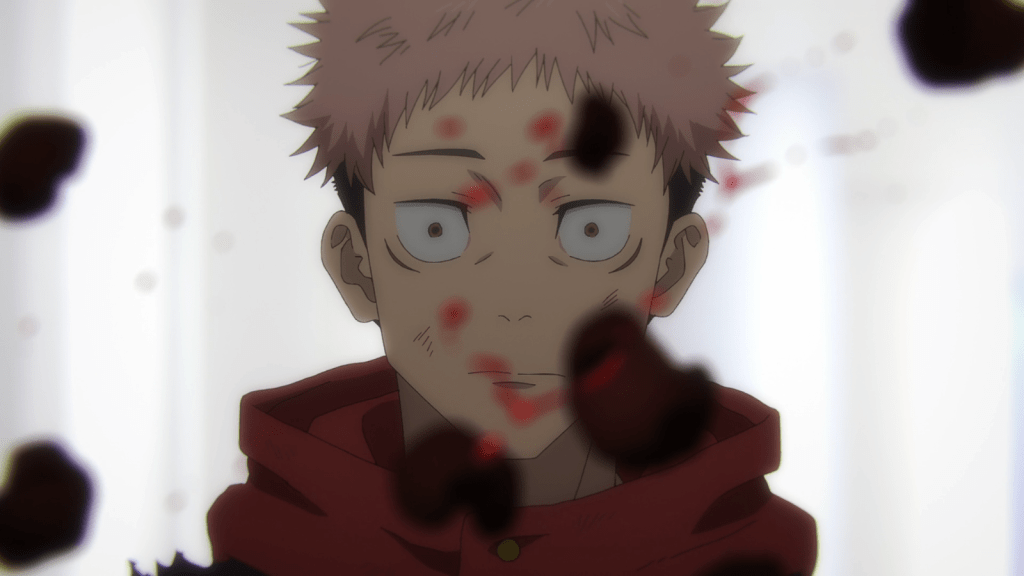
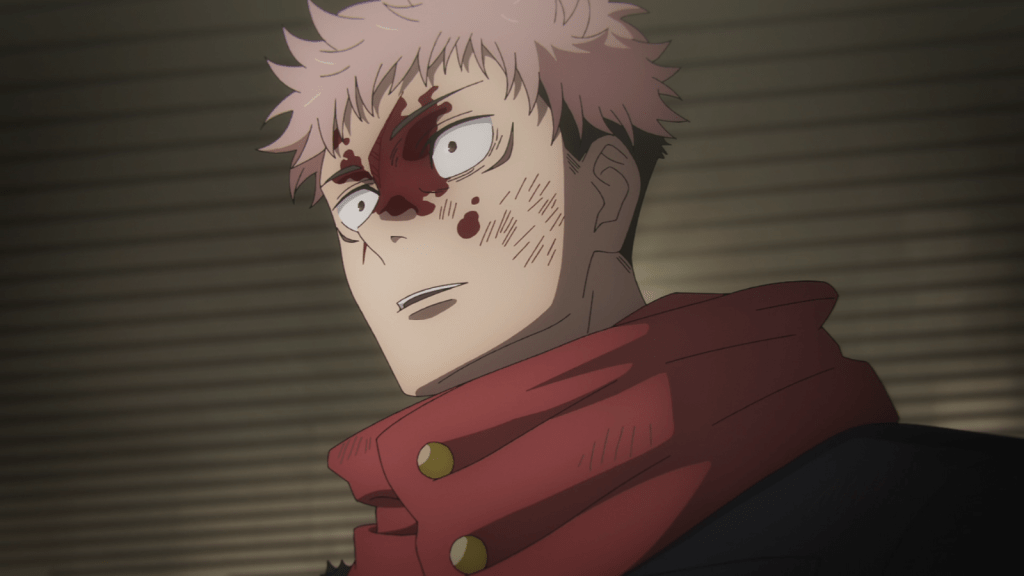
Yuuji is in a depressed, shocked state while he processes the fact that Sukuna used him to kill hundreds of people. At the start of the episode, Yuuji remembers a lot of different things people have said regarding him and his life – including people telling him he should be executed, or that others will die because he lives. It’s clear Yuuji is thinking about whether or not it’s right for him to stay alive. Seeing Yuuji like this was disheartening. His mental state only got worse when he saw Mahito kill Nanami.
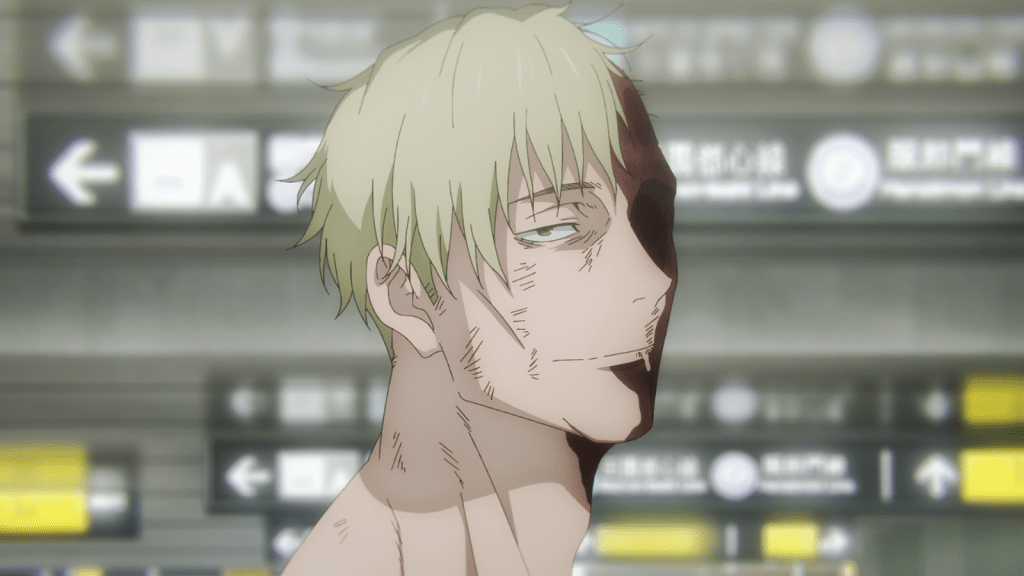
I was expecting Nanami to die for a while now, but it was still sad to see him go. The last few scenes with him were beautiful. He imagined being on a calm, tropical beach in Malaysia, finally taking a much-needed vacation from his work as Jujutsu sorcerer. The juxtaposition of him strolling along the seaside in his mind versus fighting a bloody battle in reality was stunning. Nanami always worked so hard. Though he could be stern, he held himself to higher expectations than anyone else. He was such an admirable person and a good teacher. I will definitely miss this character.
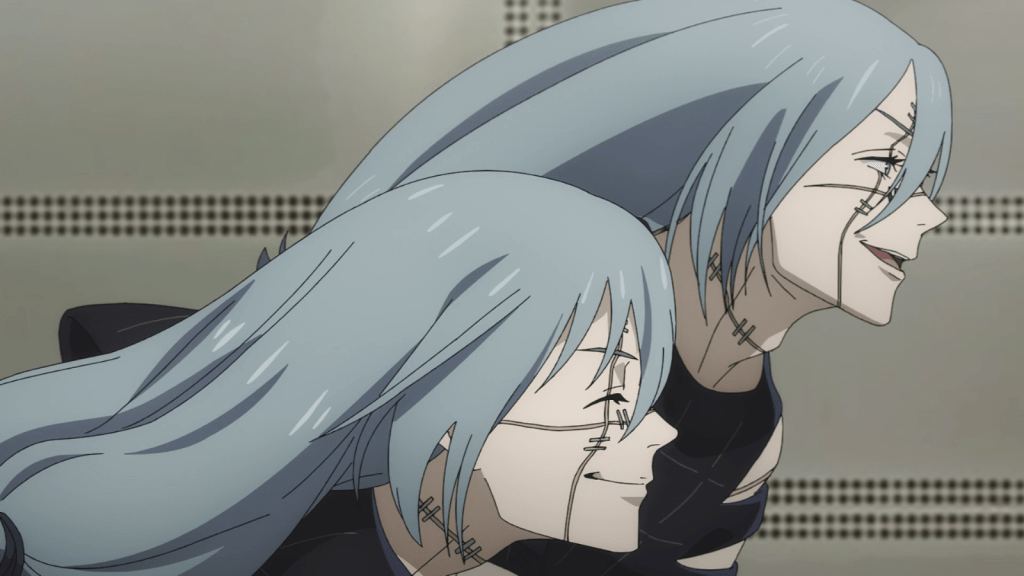
Mahito’s ability to make a convincing double of himself is impressive, even if that double lacks some of his abilities. I thought that was a genuinely cool move, though I’m worried about how it makes Mahito even more powerful. I hope Kugisaki can beat that double. As for Yuuji and the “real” Mahito, their ongoing battle is very fierce. I’m pleasantly surprised that Yuuji is holding up so well against this tough enemy.
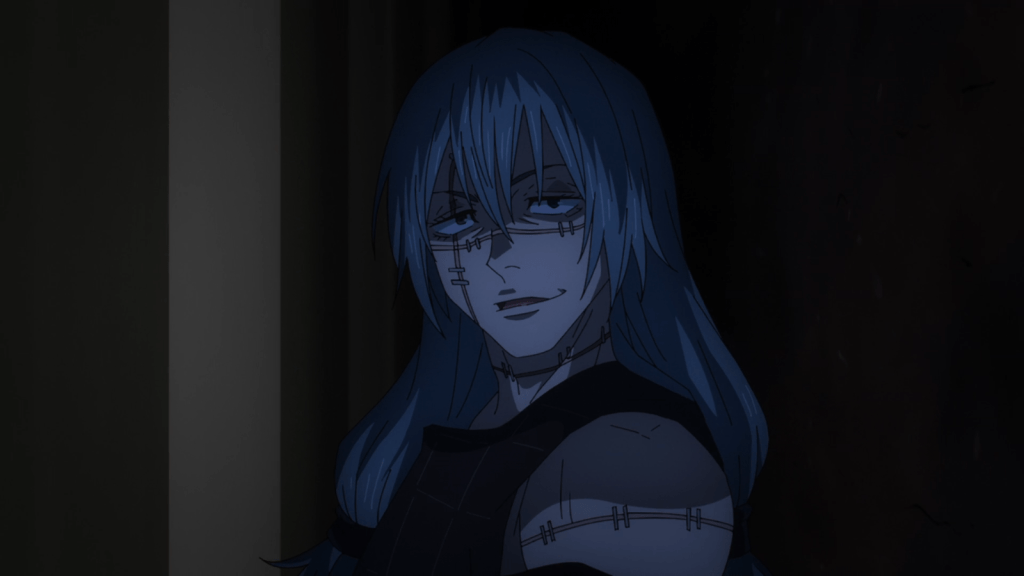
At one point, Mahito said something strange. “You are me,” he told Yuuji. When Yuuji responded furiously, Mahito said it was just the crazy ramblings of a curse. But I think there was meaning behind those words. At this point, it’s unclear what that meaning could be. It feels somehow similar to what Hanami said about Mahito in a recent episode, that he is “a mirror.” I’m not going to speculate much right now because I’m betting the show will elaborate later. That’s about all my thoughts on this episode.
Episode 19 (or 43): Right and Wrong (Part 2)
Episode 19 showed the climax of Yuuji’s trauma as Mahito killed Kugisaki right in front of him. A large part of the episode was a flashback of Kugisaki’s life in the small town where she grew up. This history of Kugisaki was interesting. She clearly had trouble with feeling like she belonged in that village. She had her friend Fumi, but otherwise, there was nobody she really admired – until she met Saori. Kugisaki’s interactions with the older girl were formative experiences for her, and cherished memories.
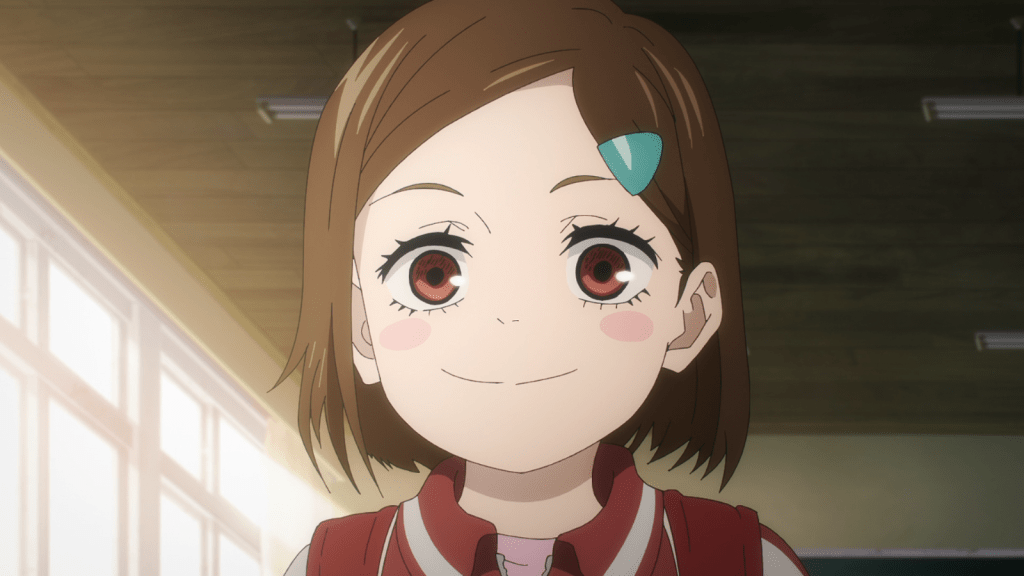
I’m curious about Saori. Why was she ostracized by the villagers? They bullied her so much that she eventually had to leave town. Apparently, Saori’s mother was a very “spiritual” person who may have been into some strange stuff – but that doesn’t seem like enough of an explanation. After all, the older people of rural Japanese villages are often very spiritual, still holding Shinto beliefs or traditions.
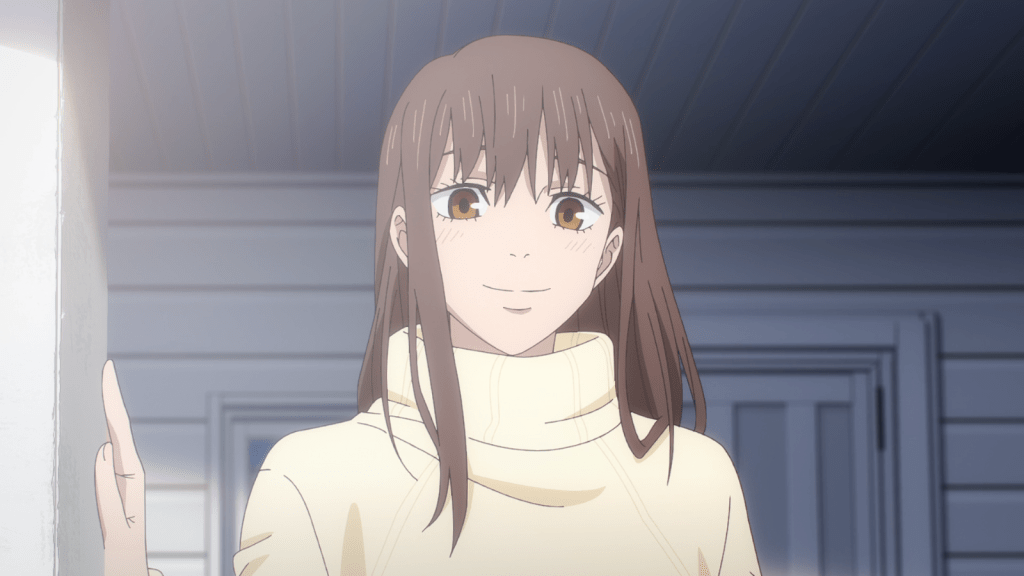
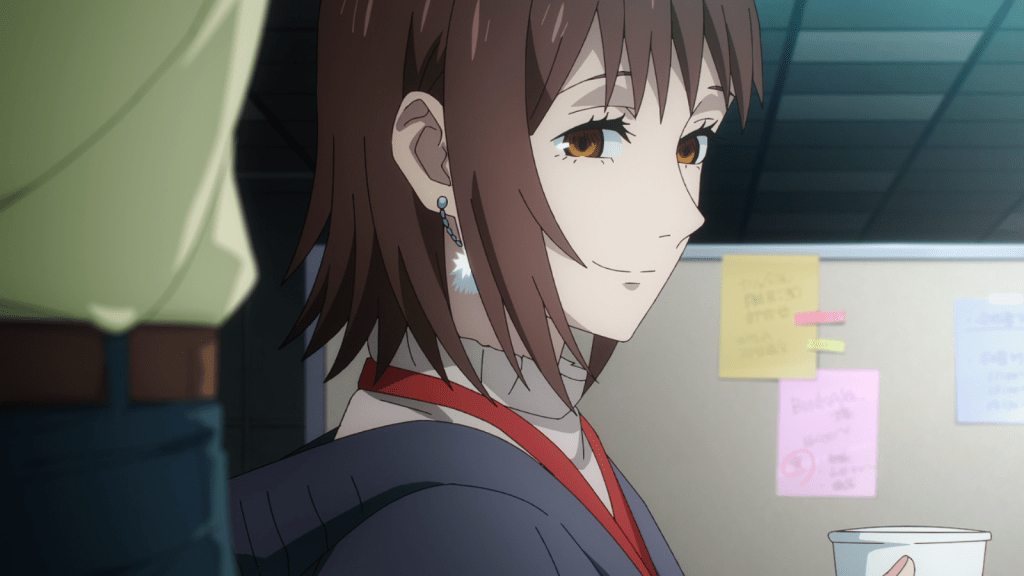
At the end of the day, we don’t know why Saori was such an outcast, but I theorize that she was probably queer. That, or she had some kind of mental illness like depression, agoraphobia, or schizophrenia – something that made others fear her for being too different. (Remember that she stayed at home almost all the time.) Regardless, it’s good that she’s doing better in the present, working at an office and seeming very stable.
Back to the main topic of the episode, Kugisaki’s death wasn’t exactly shocking, but it still felt extremely unfair. I’ve been trying my best to avoid spoilers, but I did hear that Maki will survive being burned by Jougo. With that in mind, I suppose I can’t be certain that Kugisaki is dead forever. Perhaps she can be brought back somehow. But for now, I’m assuming that is not the case, which makes her death a clear case of fridging.
Fridging is when a good character with a lot of potential is killed off for the sole purpose of having a certain effect on another character. It’s quite disrespectful to the character and an example of subpar story crafting. In this case, Kugisaki was killed in order to mentally break Yuuji. I’m disappointed in the Jujutsu Kaisen creator for stooping to such blatant disregard for such a key character.
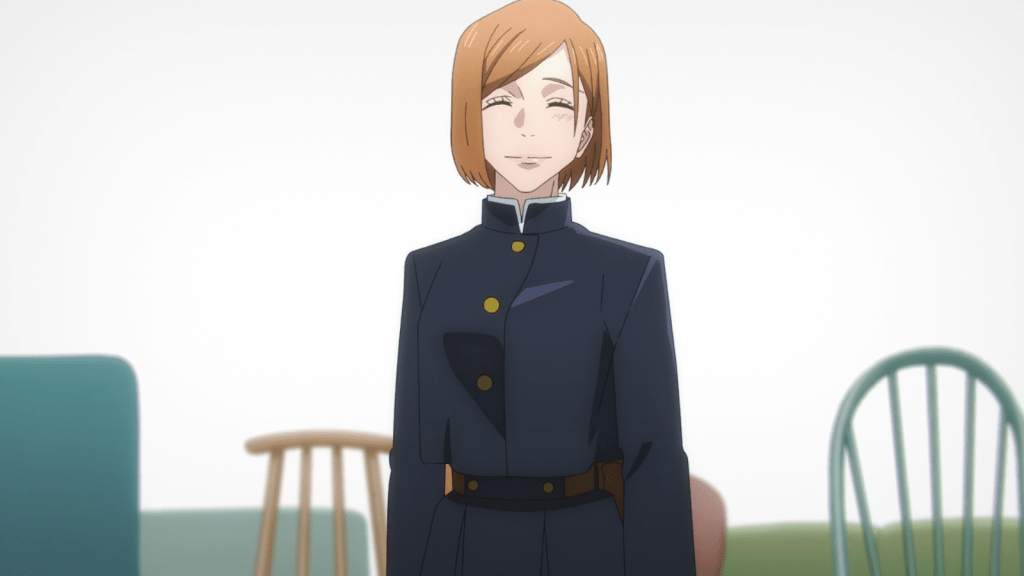
Despite my disappointment, this bit of wasted potential won’t stop me from watching the show. There are still too many other characters I care about. And even if they were all to get fridged, I could probably still enjoy Jujutsu Kaisen somewhat for the great soundtrack and fighting animations.
Episode 20 (or 44): Right and Wrong (Part 3)
After the disappointment of the previous installment, the twenthieth episode was rather refreshing. For starters, Todo comes to Yuuji’s rescue. In addition, we learned that there’s a “non-zero percent chance” of saving Kugisaki. But before either of those events, we had to watch Mahito give Yuuji a brutal beat-down. During the violence, Mahito explained more about what he meant when he told Yuuji, “You are me.” We’ll discuss that first.

Mahito sees himself and Yuuji as two sides of the same coin. They are “the same” in that they are both pieces of the conscious mind, which in Mahito’s way of thinking, is dual in nature. One side is “instinct” – specifically, the psychopathic instincts of a cursed spirit. The other side is “reason,” a human trait that allows for greater social cooperation. As representatives of these two sides, Mahito and Yuuji are at war. Yuuji saves lives – making use of human morality – while Mahito ends lives according to wild impulses.
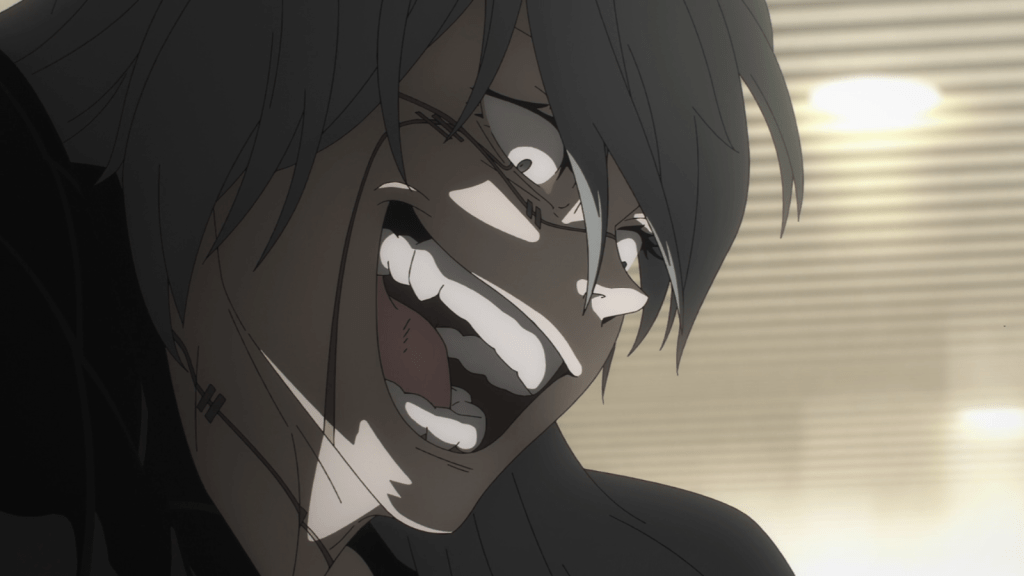
It boils down to hedonism versus social ethics. This isn’t exactly profound or original, but this level of philosophy and character psychology is more than satisfactory for a shounen anime. Speaking of character psychology, we also need to discuss Todo’s words to Yuuji that pulled him out of utter despair. Yuuji believes that he is a murderer. That he allowed Sukuna to kill others. That Kugisaki’s death was entirely his fault. That he needs to save at least as many as he “killed” in order to give himself permission to keep living.
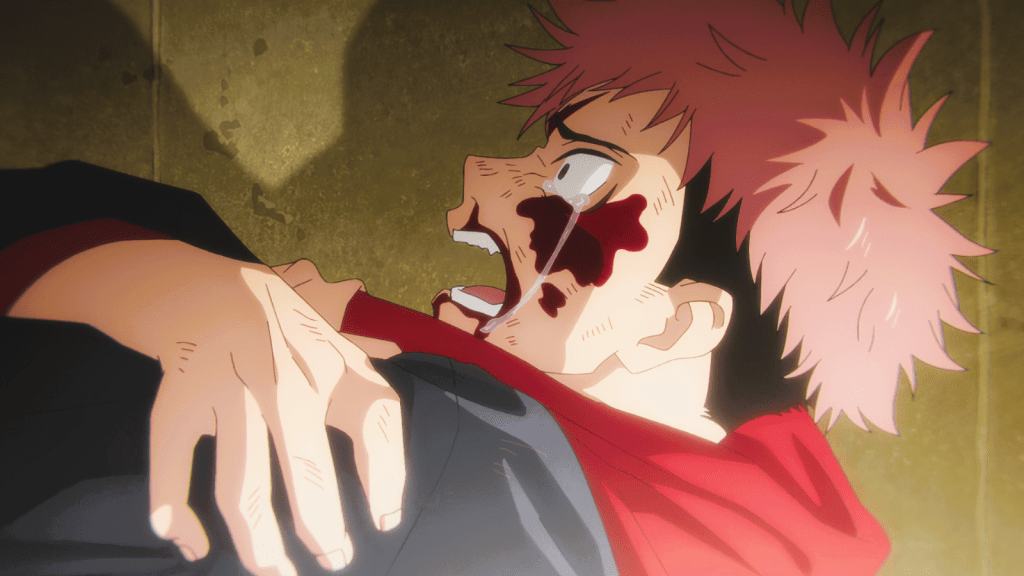
In the midst of Yuuji’s darkness, Todo made two main points. The first one was that, as Jujutsu sorcerers, they are removed from normal karma, and need not worry over sins and punishments. The second point was that you need to move forward and figure out what your fallen comrades entrusted you with – what they would want you to do. That’s why you shouldn’t give up and die.
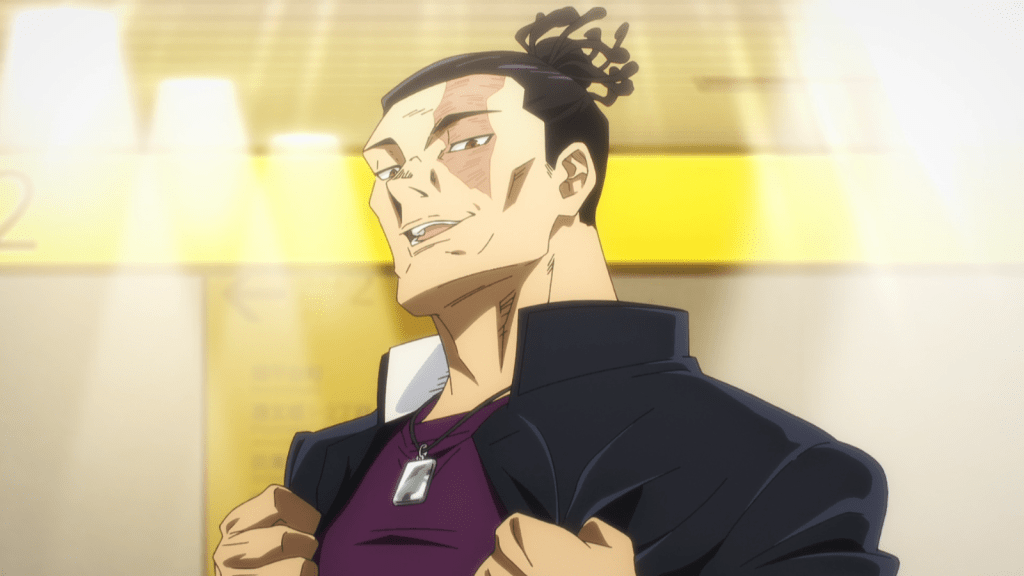
As for the first piece of advice, I’m not sure if that’s just a belief Todo holds, or something that is objectively true in the Jujutsu Kaisen universe. It honestly makes no sense to me. I don’t think Jujutsu sorcerers are superior beings who are somehow above normal morality. I’m not saying Yuuji should have to die, but I do think it’s worthwhile to consider how he could balance out the potential destruction caused by the demon inside him. Regardless, Todo’s second point made sense and was also inspirational.
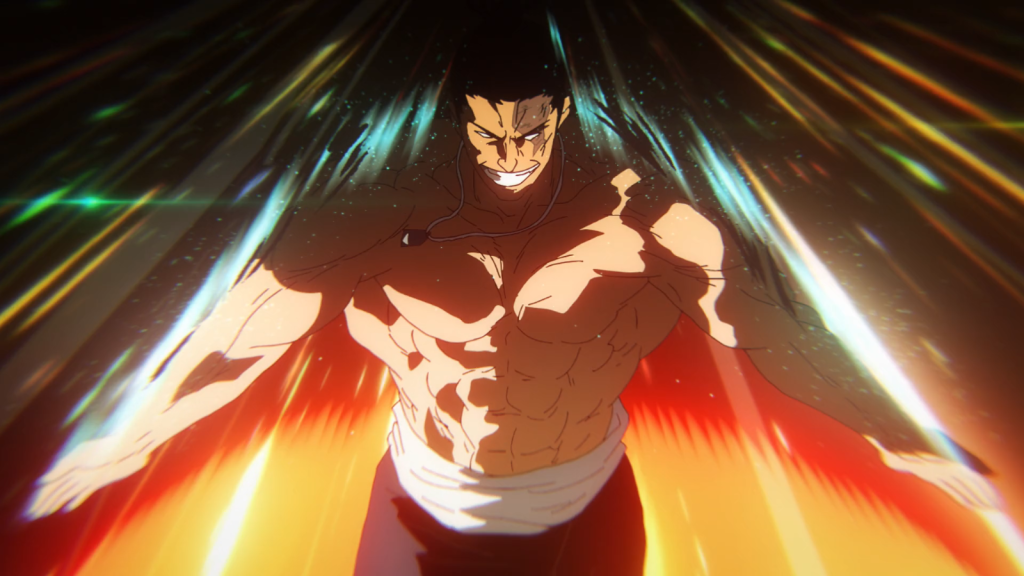
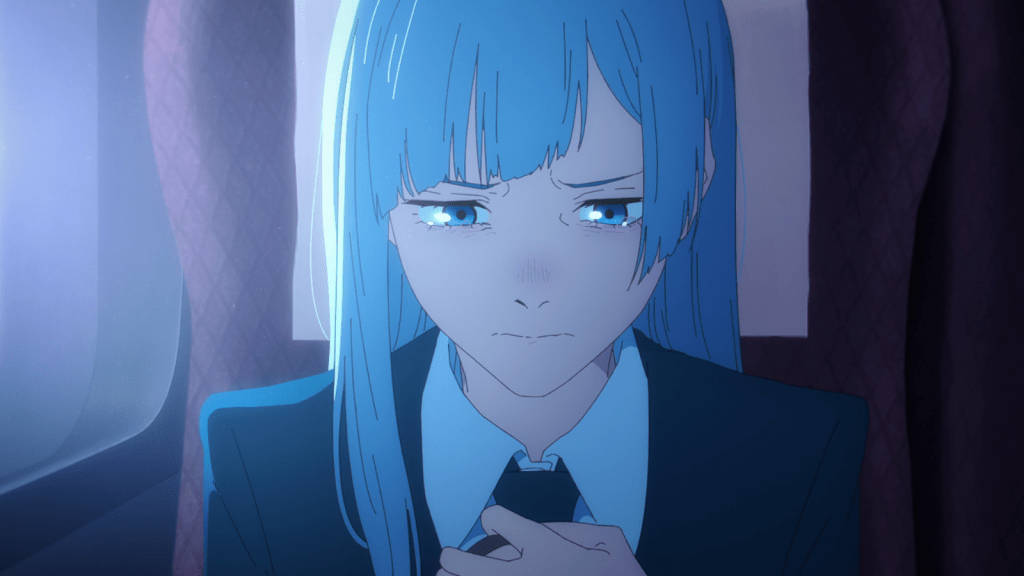
It was great to see Todo in action, using his technique effectively against Mahito. Todo is wonderful, and it’s easy to feel empowered watching and listening to him. But despite Todo’s colorful presence, not everything in this episode was uplifting. There was also a sad scene: Miwa’s farewell to Mechamaru. It made a me a bit teary-eyed if I’m being honest. I wasn’t invested in that underdeveloped romantic component, but I empathize with Miwa as a character. It was rough to see her cry.
I’m still hoping Kugisaki can be saved, but I’m not completely sure if it will happen. Regardless, I look forward to the last three episodes of Jujutsu Kaisen season 2. It has certainly been a crazy ride. Have a great weekend, dear readers, and I’ll see you next time!
Thanks for reading~
 Anime Rants