
Shonen, or anime aimed mostly at young boys, is the most popular form of anime. Personally, I am not very interested in the majority of standard shonen fighting anime, but that doesn’t mean it can’t be enjoyable. Recently, I complained about seven different annoying tropes in shonen anime. So, to keep things balanced, here is a list of 7 tropes in shonen anime that are actually good most of the time. Enjoy!
1) Heroes Who Are Part-Demon or Part-Monster
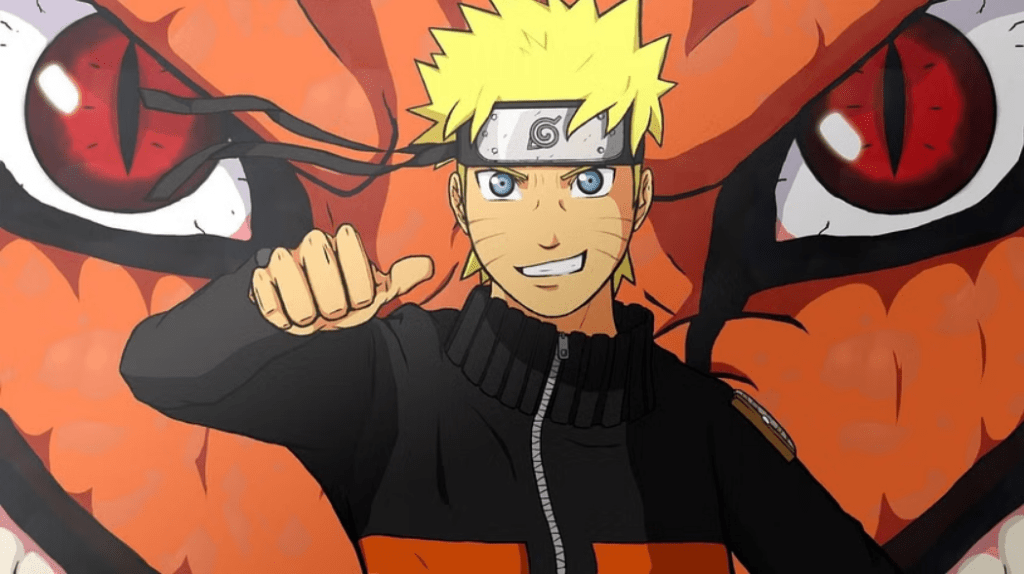
Many shonen anime protagonists have a demon inside them, or perhaps have some demon blood in them. If not demons, then it could also be monsters. This trope is actually found in many different kinds of anime besides standard fighting shonen series. Darker seinen series often have semi-demonic main characters. Good examples include Claymore, Chainsaw Man, and Devilman Crybaby.
As for standard or popular shonen, an obvious example of this trope is Naruto. Inside him dwells the nine-tailed fox demon. Rin, the protagonist of Blue Exorcist, is a half-demon and the son of Satan. Eren from Attack on Titan can become a monstrous Titan. Yuuji from Jujutsu Kaisen has a demon inside him, too. The examples go on and on.
My personal opinion is that this popular trope largely originated from the 90s Studio Ghibli movie, Princess Mononoke. The protagonist, Ashitaka, is cursed with a demon arm. Since that film was so widely influential, it makes sense that part-demon anime heroes started popping up everywhere. I’m sure the idea has existed for millenia, but I bet Princess Mononoke popularized it for modern anime.
2) Heroes Who Are “Pure of Heart, Dumb of Ass”

Many shonen protagonists are not the sharpest knives in the drawer. However, they usually make up for their lack of brains with a sincere, caring, and earnest persnality. My friend Nat describes these main characters as “Pure of heart and dumb of ass.”
A dumb main character can sometimes be annoying. But for me at least, what makes a hero truly annoying are other traits – things like arrogance, perversion, hyperactivity, or impulsivity. The lack of traditional intelligence is normally not to blame. Not every stupid protagonist is entertaining – I’ve heard that characters like Goku and Asta are just too frustrating – but when done right, it’s a trope I appreciate.
Examples include Gon from Hunter x Hunter, Yuuji from Jujutsu Kaisen, and Luffy D. Monkey from One Piece. Although he’s not the singular “main character,” Inosuke from Demon Slayer is another important shonen character who is a dumbass with a heart of gold. The same can be said of Black Star from Soul Eater, a personal favorite of mine. I enjoy dumbass heroes, so long as they are also earnest and not too obnoxious.
3) Interesting Power Systems
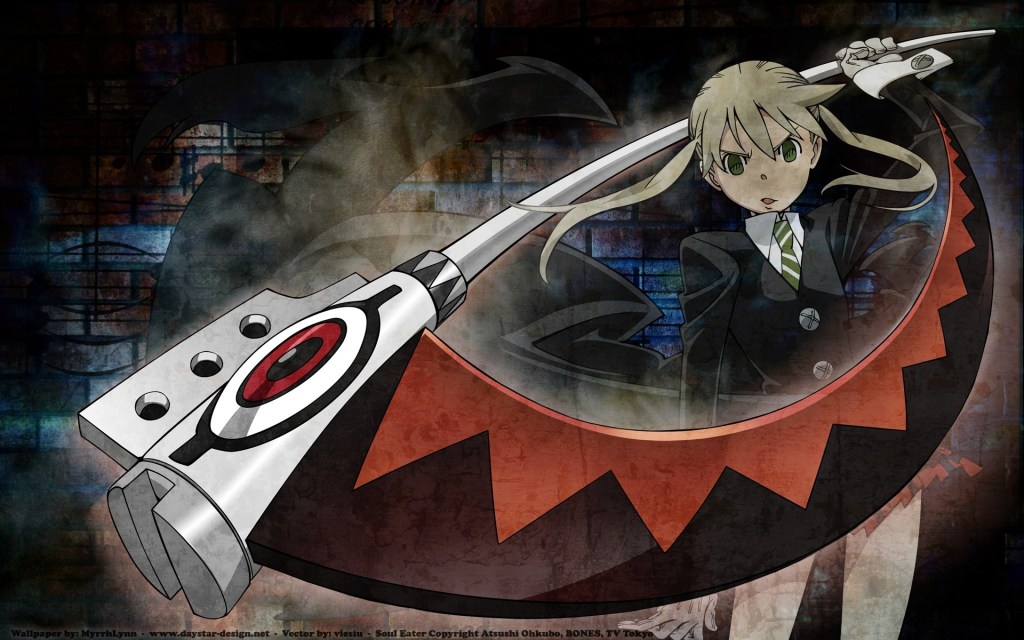
The unique systems of powers and abilities are possibly my favorite elements in shonen anime. Some of my personal favorites are Nen powers in Hunter x Hunter, cursed energy in Jujutsu Kaisen, and the weapon-and-meister system in Soul Eater. Other examples include magic grimoires in Black Clover, alchemy in Fullmetal Alchemist: Brotherhood, and breathing forms in Demon Slayer. I’m always interested to learn about how a new power system works.
4) Pure-Evil Villains

To me, pure evil villains are those who are extremely malevolent without any sympathetic elements. They may or may not have a few good or interesting qualities, such as intelligence or charisma, but their actions are unforgiveable and their motivations are impossible to sympathize with. In my book, Light Yagami doesn’t count as a pure evil villain because I felt a little sympathy for his cause, especially early on. Now, I still think he’s evil, but he’s a sympathetic kind of evil.
Although I generally prefer sympathetic villains, sometimes it can be fun to have one that’s just purely evil. Muzan from Demon Slayer, Dio Brando from Jojo’s Bizarre Adventure, and Frieza from Dragon Ball Z are all good examples. Some of my recent favorites are Sukuna and Mahito from Jujutsu Kaisen. Although the following villains are not from anime that I consider “standard shonen,” I also love Junko Enoshima of Danganronpa, Nui Harime of Kill la Kill, and Ryuunosuke and Gilgamesh of Fate/Zero.
The definition of pure evil may vary from person to person, so there are bound to be disagreements over which characters qualify as good examples. But however you choose to define it, it’s an interesting trope that can make for a good story if done right.
5) Redemption Arcs

It should be obvious, but a redemption arc is when an antagonist redeems themselves, either by joining the “good-guys” or sometimes by sacrificing themselves in a battle. Usually, a redemption arc will take a few episodes, but some of them are short enough to be covered in a single episode.
Greed from Fullmetal Alchemist Brotherhood is a great example. He went for the sacrificial route and died, which saved Lin Yao. But my personal favorite example in shonen anime is the case of Crona from Soul Eater. This character switched sides after an emotional intervention from Maka, the anime’s female protagonist. Later on, Crona nearly dies taking a hit in place of Maka. (They do survive and recover, however.)
6) Teamwork Saves The Day

There are various other articles that have cited “The Power of Friendship” as a positive shonen anime trope, and I agree. But while “friendship” implies the emotional connection, “teamwork” highlights the practical execution and success of a group effort. I decided to pick “teamwork” so my article has a bit more variety.
In standard shonen anime, there are many cool cases where a duo or a team is able to achieve a victory that would have been impossible for them as individuals. The crew in One Piece works together under the encouraging leadership of Luffy. Tanjiro in Demon Slayer has been saved by Nezuko several times. Zenitsu and Inosuke also have his back most of the time. Edward and Alphonse in FMA: Brotherhood prove that siblings can manage amazing teamwork as well.
There are also instances where heroes temporarily team up with enemies to fight for a goal that benefits both. For example, in Hunter x Hunter, the creepy antagonist Hisoka temporarily teams with Gon and Killua to win the volleyball match and beat Greed Island. As you can see, teamwork saving the day is a positive trope.
7) Tournament Arcs
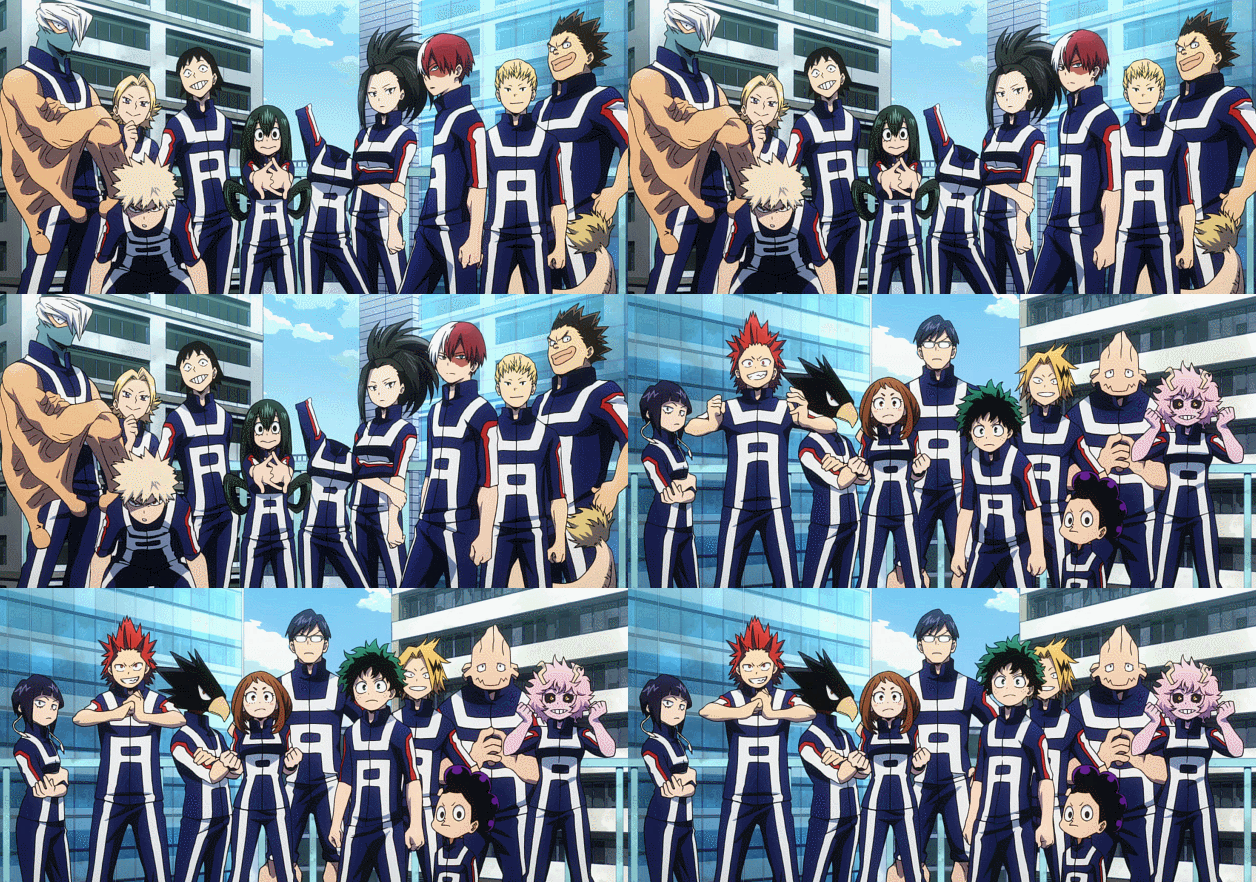
One of the most hyped-up shonen anime tropes is the tournament arc. They are fairly common across the popular shonen series. There are tournaments in My Hero Academia, Yu-Gi-Oh, Fairy Tail, and so many more. I haven’t seen very many tournament arcs myself, but I enjoyed the one in Hunter x Hunter and the one in Jujutsu Kaisen. As long as a tournament arc makes sense in the context of the story, it’s a fun and enjoyable trope.
Thank you for reading~


Yes, there are many great tropes in shonen anime! I think my favorite one is teamwork saves the day. I also like that in the team work trope, the characters who are working together are not always friends, sometimes they can actually be enemies that decided to work together for a temporary common goal.
LikeLiked by 3 people
I’ve barely seen any shonen anime, just a few that don’t fit what people usually think of as shonen (Azumanga Daioh for example.) Even when I was a kid, I was never much into anime like Naruto, Bleach, etc. But I can see the value in some of it, especially in those “enemies/rivals become friends or at least get to tolerate each other” instances. And a good tournament anime can be fun sometimes.
LikeLiked by 1 person