
-Introduction to the 16 Personalities-
The MBTI (Myers-Briggs Typology Index) is a model for describing personalities. It was put together by Jung, Myers, and Briggs, three psychologists. It’s not scientific, but it’s a helpful tool for some psychologists, and it’s less ridiculous than the majority of personality models. There are 16 personality types, each with different combinations of preferences. I’ll explain how it works in a simplified way. (To actually understand the MBTI model correctly, you’ll need to know the two-letter cognitive functions. But for our purposes today, the sinlge-letter method is better and easier to comprehend.)
People who get their energy from being around others are extraverts (E), and people who get their energy from being alone are introverts (I). More practical and observant people are sensing types (S), while the theoretical and imaginative thinkers are intuitive types (N). Those who make most decisions based on a logical process are thinkers (T) and those who go with their gut or personal feelings are feelers (F). Finally, people who like to plan ahead are judging types (J) while more spontaneous people are Perceivers (P).

Let me give a quick example. Gon from Hunter x Hunter feels energized by interacting with others, so he’s extraverted (E). He has keen instincts and a wild imagination, which makes him likely to be intuitive (N). Gon decides things based on how he feels about the issue, so he is a feeling type (F). Lastly, he isn’t very organized or prepared, but he reacts well on the fly. That means he’s a perceiving type (P). Putting it altogether, Gon is an ENFP.
Someone’s 4-letter type tells you more than just those preferences. There are also tendencies and attitudes specific to each type. For example, ENFJs often become leaders, but they are usually humble rather than bossy. They want to keep everyone happy. ISTPs are usually extremely in tune with the physical world. They’re skilled with work that uses their hands.

It’s important to note that MBTI types do not reflect factors like grief, mental illnesses, or mood disorders. Anyone from any type can have any kind of problem, and every type can have positive traits, too. Now that you understand the basics, let me give you an example of each of the 16 types as anime characters. The types are divided into four groups of four. Group one are the Innovators, group two are the Idealists, group three are the Sentinels, and group four are the Explorers.
Group 1: The Innovators (NT Types)
1) INTJ: “The Architect” or “The Mastermind” –
Satsuki Kiryuuin

INTJs like Satsuki are introverted, intuitive, thinking, and judging. They are cool-headed and always have a plan in mind. They can be bold and confident, but they are less interested in leading people when compared to ENTJs. An INTJ is focused on carrying out their own goals.
Generally, INTJs are good at complex and strategic games. They have a reputation for being cold-hearted and calculated, and in stories, they are often the villains. However, any of the 16 types can be a good person, and INTJs are no exception. Their motivation is often to serve the greater good – as in the case of Satsuki – even if they use underhanded means to get there.
2) ENTJ: “The Commander” or “The Boss” –
Louis

Like most ENTJs, Louis does best when he’s in charge. He and others of his type are confident, commanding, charismatic, and knowledgeable. As leaders with the intuitive trait, they are amazing at comprehending and solving problems in creative ways. After all, they are innovators. They are also gifted with handling organization and thorough planning.
A common weakness of the ENTJ is being impatient with people who aren’t as capable, productive, or organized as they are. Another frequent problem is that they fail to consider the feelings of others. Like INTJs, ENTJs also have reputations for being villainous in fiction. However, Louis a great example of an ENTJ who is not some supervillain plotting world domination. He is aggressive, but has high moral standards.
3) ENTP: “The Debater” or “The Troll” –
Satoru Gojo

Satoru (AKA Gojo-sensei) is a great example of an ENTP. He gets energized by others and has an incredibly quick and creative mind. He’s generally more logical in thought process than a feeling type. Also, Satoru is spontaneous and hard to pin down. Often talkative, ENTP types love dissecting ideas and extrapolating what they learn onto everything For this reason, they are usually good debaters as well as visionaries who want to change the systems at play.
Many ENTPs also have a reputation for being trolls. They like to be the devil’s advocates, tearing the opinions of others to pieces without mercy. They are often impatient and easily bored with practical concerns. (That being said, they are usually more functional than the typical INTP, if only because they tend to have more social confidence.) Weaknesses of an ENTP include being too argumentative and self-absorbed.
4) INTP: “The Thinker” or “The Unmotivated Genius” –
L
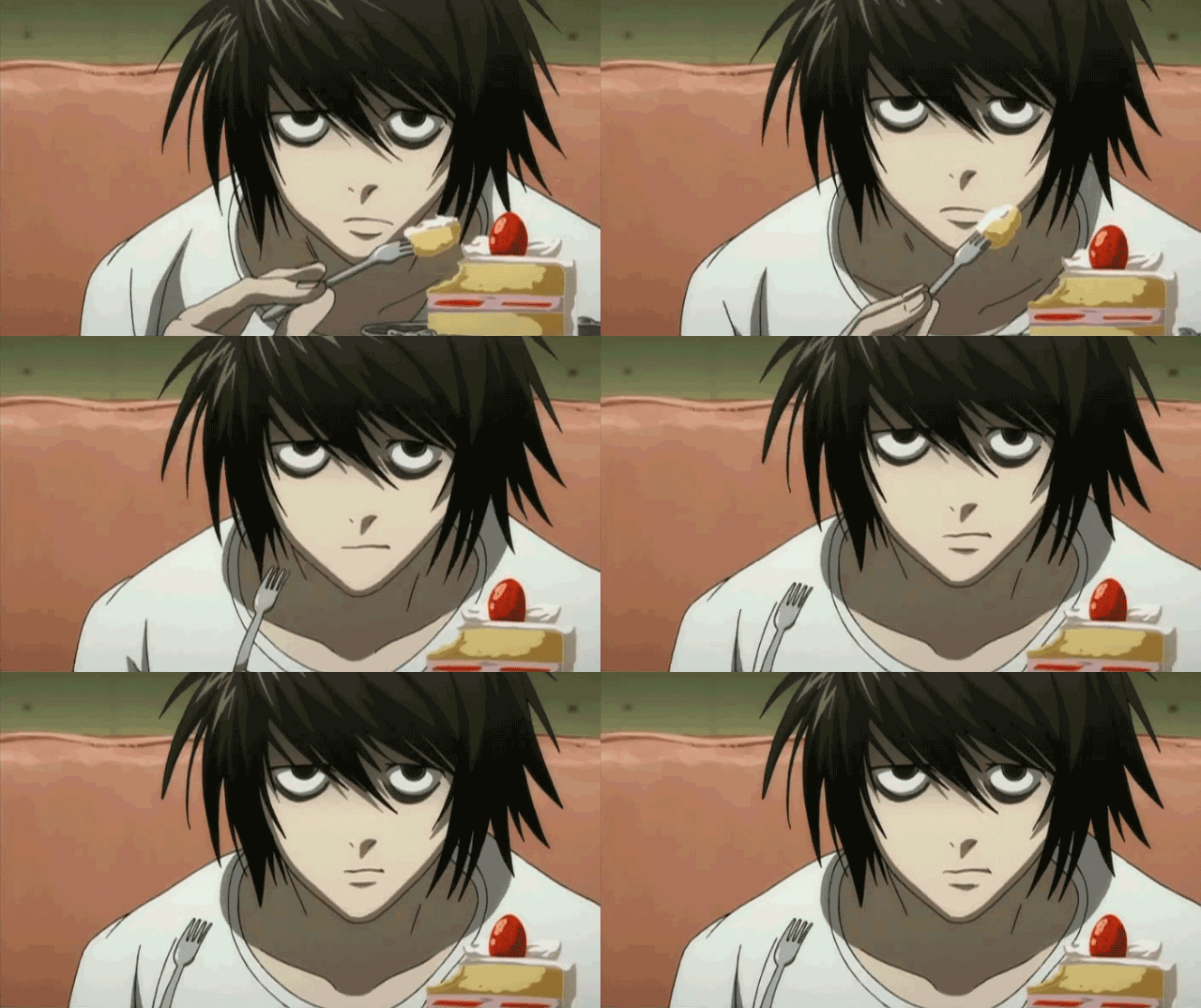
This famous anime character is unmatched in his thinking and analytical abilities. He’s a good example of the fact that, in fiction, INTPs tend to be incredibly intelligent. This isn’t always the case with INTPs in reality. They’re not normally elite geniuses. However, it’s true that with the way they’re wired, INTPs are better than most types at comprehending abstract concepts, analyzing data and systems, and brainstorming innovative ideas.
The typical INTP also has a significant weakness that balances out their “big brains” – lack of motivation to work or lack of interest in everyday life. People of this type can be hopelessly impractical and “bad at adulting.” Again, that’s not the case for every INTP, but it’s a stereotype for a reason. Even with lots of motivation and a great career, an INTP is likely to struggle in any kind of social setting or anything that takes away too much of their personal time. They are not very social as a general rule.
Group 2: The Idealists (NF Types)
1) INFJ: “The Advocate” or “The Counselor” –
Akane Tsunemori
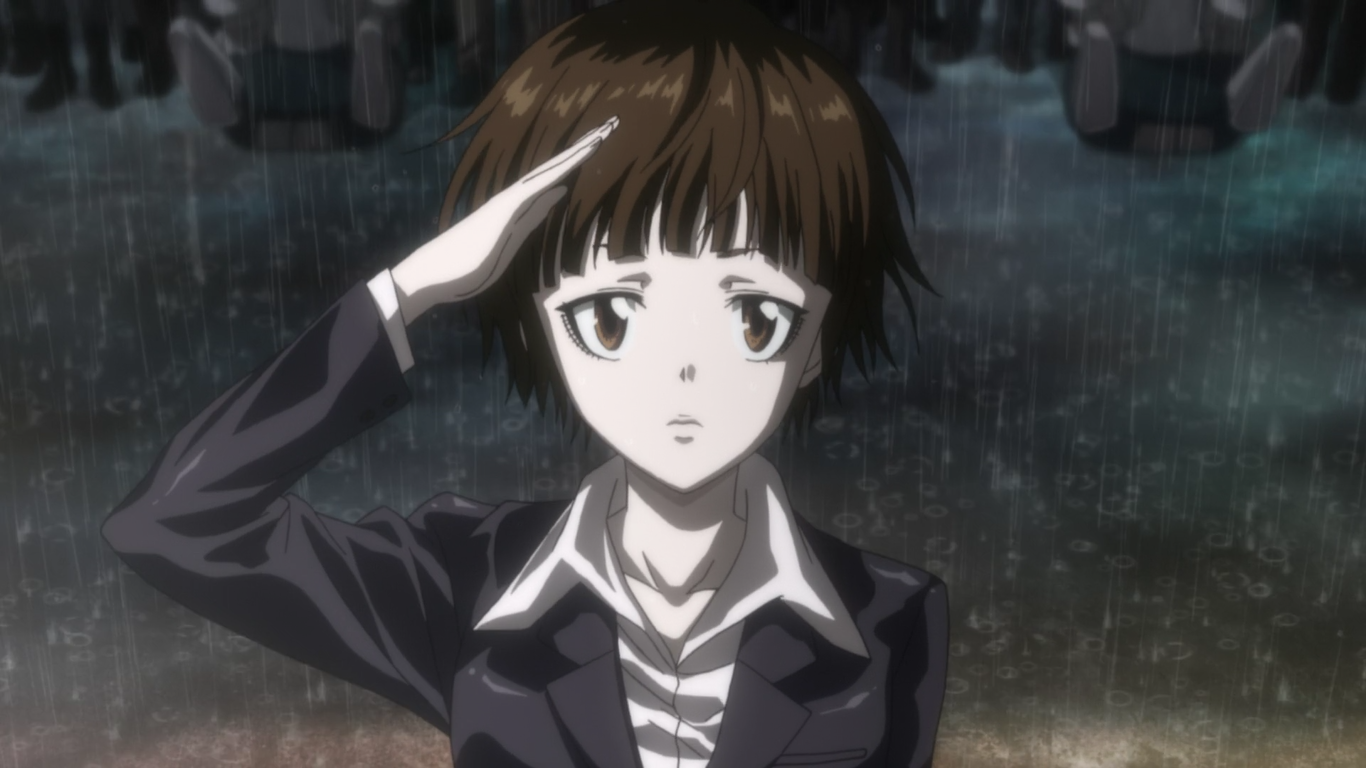
Akane Tsunemori is the textbook INFJ: a defender of those downtrodden by society. She’s a fighter for justice – and mercy – who wants to help as many people as she can. Though guarded and quiet, Akane is an imaginative thinker and a persuasive communicator when she speaks up. INFJs have few friends, but those few are the ones who earned their complete trust and loyalty. Losing them is possibly the worst thing that can happen for any INFJ.
That’s not to say they’re weak-spirited, though. Akane and INFJs in general are tenacious, never giving up as long as they have a noble cause for which to fight. Akane can be quite assertive, and compared to an ENFJ, she is not interested in people-pleasing. Also, compared to their less organized cousins, the INFPs, an INFJ is better at getting things done.
INFJs can get lost in their lofty causes and their deep wells of quiet passion, becoming menacing and obsessive. There are many “dark INFJs” in anime, such as Yuno Gasai (Future Diary) and Homura Akemi (Madoka Magica). However, Akane is an extremely level-headed INFJ who keeps herself mentally stable. She’s truly admirable.
2) ENFJ: “The Giver” or “The Protagonist” –
Emma

The typical ENFJ has a lively attitude, unending kindness, and only the purest of intentions. They are the heroes who want to save everyone, and will break their own backs trying. You can see why this type is called the protagonist. ENFJs are intensely emotional, so it’s never pleasant when they are upset and stop using reason. However, when stable, ENFJs make great teachers, counselors, or leaders, since they have superb people skills, good insight, and the ability to sympathize with pretty much anyone.
Unlike the quieter and more selective INFJ, an ENFJ like Emma gets along well with everyone and is widely popular. This means they can end up friends with not-so-good people who will take advantage of their undying desire to help. But ENFJs are overall quite similar to an INFJ – both are usually altruistic, interested in serving others, and passionate about defending the downtrodden and the weak.
Note: This description only fits the positive or healthy variants of ENFJs. Like any type, an ENFJ can also be unhealthy, unstable, and cold-hearted. ENFJs who “go bad” tend to become extremely emotionally manipulative, cunning, and even cruel. They use their social power to stay in control of the vulnerable. To prove my point, consider this: Isabella, the “mother” in The Promised Neverland, is also an ENFJ.
3) INFP: “The Dreamer” or “The Poet” –
Shinichi
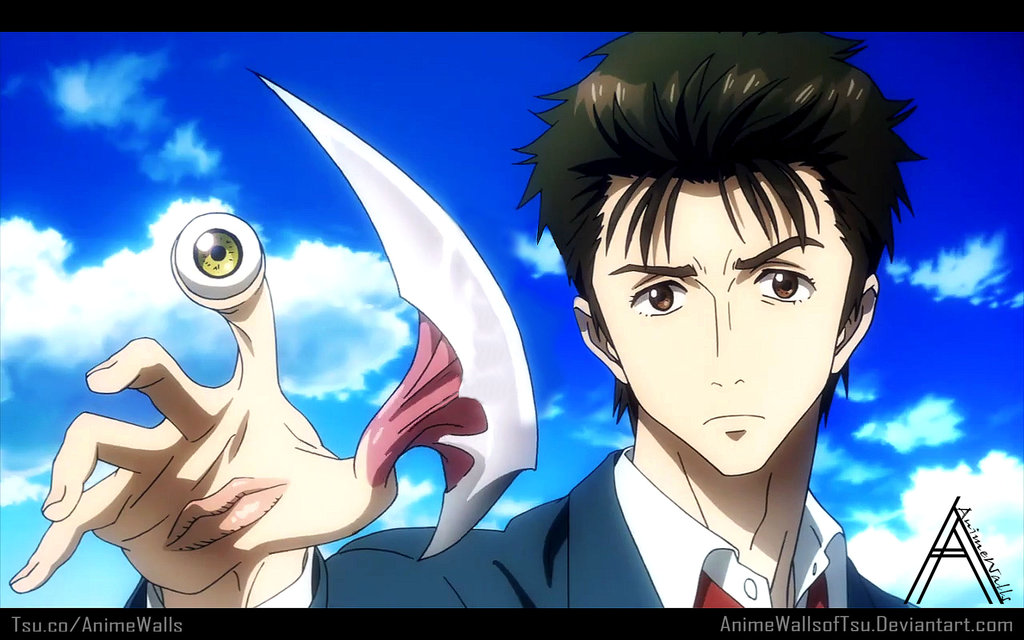
I like to think I understand the INFP type very well, but I’m most familiar with how they work when they are “turbulent.” INFPs are the least practical and logical of all types, completely consumed by their creative pursuits and their rosy idealism. So when INFPs break, they break hard. The disillusionment and bitter disappointment in the world and the self can be crippling. However, despite being prone to depression, many INFPs adjust and recover. It takes time, help, and patience.
The INFP is idealistic and driven by ethics more than any other type. They are usually quiet, kind, sensitive, and warm-hearted. They aren’t very social, but when they befriend or love someone, they do so with all their hearts. The INFP is theoretical, getting lost in possibilities, philosophy, and imagination. They may come across as timid, but they will always stand up for their sense of morals, even if it goes against logic. A happy INFP is like Anne Shirley, finding beauty and meaning in everything.
Compared to an INFJ, an INFP like Shinichi is less driven to actually accomplish things, and is more sensitive and reactive in discussions. Compared to an ENFP, Shinichi is much more shy and awkward. People of Shinichi’s type make up just 3% of the population, so they are often misunderstood. Be nice to your INFPs!
4) ENFP: “The Inspirer” or “The Champion” –
Misato Katsuragi

ENFPs are gifted communicators, cheerful, popular, friendly, and very “chill” as long as their values aren’t challenged or they don’t overwhelm themselves. If any type deserves to have so many friends and admirers, it has to be this one, because they are so sweet, silly, and genuine. They usually have a lot of energy and natural curiosity – a real love of life.
Misato and other ENFPs have good instincts and are observant of small changes in others or the “vibes” they give off. They are highly creative and social. ENFPs are easier to get to know, and have a strong need to be liked, but otherwise they are very similar to INFP: focused on possibilities, positivity, and personal meaning. Misato in particular loves to party and drink alcohol. She is adventurous, adaptable, and generous.
Group 3: The Sentinels (SJ Types)
1) ISTJ: “The Duty Fulfiller” or “The Perfectionist” –
Saber

I have a good deal of experience with ISTJ people in real life, and of course they are all different from each other, but they have some things in common, including the desire for perfection in their definition of proper and upright living.
Some people think Saber/ Arturia is an INFJ or an ISFJ, which makes sense, because Fate/Zero makes her seem idealistic. But if you look closely, she isn’t a theoretical, senstive idealist, but someone insistent on her correctness and determined to fix anything she might have done wrong in the past. Saber is more outpsoken, practical, and sensory in nature compared to INFJs. While ISFJs put helpfulness and care-giving first, Saber is concerned with honor, duty, and propriety. She is a sentinel of decency and respectability.
2) ESTJ: “The Executive” or “The King/Queen” –
King Bradley

Imagine if someone like Saber was less focused on completing their duties and more interested in being better than everyone else. Imagine if Saber were more socially confident and bolder, plus, less patient and tolerant. Then you’d have an ESTJ. In anime, this type tends to be extremely bossy and unpopular, but that’s not true for every case. For example, King Bradley is also an ESTJ. He’s more poised than the stereotype of the angry ESTJ. Even so, he has a harsher mind and more willfulness than most other types.
An ESTJ is concerned only with living in the concrete reality and dealing with its problems. He needs to lead others rather than follow or be an individualist. Because he can make logical but “cruel” decisions whenever needed, he is a strong and reliable leader. ESTJs have a set idea of how things should be, and will typically respect the systems and traditions in place.
Bradley is a villain who wants to sacrifice human lives to make a new world, but ESTJs, like any other type, can be upright people. In fact, they are sometimes called the “good citizens” because they help society by leading others and doing the dirty work nobody wants to do.
3) ISFJ: “The Defender” or “The Dad” –
Ryuuji Takasu

They may not look it, but ISFJs like Ryuuji Takasu are big sweethearts. The primary desires of all ISFJs are to protect, serve, and love others well. To balance out their F side, most people of this type are analytical and practical. They also dislike changing their minds once they’ve been made, and they have firm beliefs in morals and traditions. Ryuuji and other ISFJs are very dedicated, reliable, and responsible. Never take their resolve lightly. They will work themselves to death if that’s what it takes to provide for, help, and protect people.
Some, like Ryuuji, are difficult to get a read on at first, because they may not talk much. Still, most have adequate people skills, and are happy to be social, especially if it involves being helpful. In order to please those around them or meet their own high expectations, ISFJs may bottle up their true feelings, only to explode with anger later, or have health breakdowns from over-work and stress.
“Artistic” may not be the right word, but ISFJs are keenly aware of physical and sensory aesthetics, and usually have a hobby or outlet where they can be creative and/or organize things in the ways they like best. In Ryuuji’s case, his hobby is cooking delicious and visually appealing meals.
4) ESFJ: “The Caregiver” or “The Mom” –
Mami Tomoe

Mami is a terrific example of an ESFJ with their particular strenghts and flaws. ESFJs are usually popular people because they are charming, warm, and sociable. Like most ESFJs, Mami loves being showered with adoration in the spotlight, as well as taking good care of other people. Mami is extremely loyal to her friends, with a good sense of duty and honor. The ESFJ is also known for having good practical skills. Not only is Mami good at wielding guns and being graceful, but she is also an excellent host and entertainer. She likes nice things like teaparties, cakes, and fine decor.
ESFJs, like any type, have weaknesses and flaws. When they are doing badly, they’re terrible, becoming closed-minded to changes or new ideas, and yet being emotionally needy and demanding of others. They can be manipulative and hypersensitive to criticism. On the best of days, ESFJs worry too much about being socially accepted. But remember, an ESFJ like Mami also has a wealth of love for others when she is stable. She is truly a caretaker.
Group 4: The Explorers (SP Types)
1) ISTP: “The Mechanic” or “The Badass” –
Saitama

ISTPs are generally quieter people with a logical decision-making process. They are good at winging it rather than planning ahead, and they are usually exceptionally skilled in some way. A typical ISTP character in anime is a master swordsman or something of that sort. Saitama is, of course, is the strongest hero because he can beat anyone with a single punch.
An ISTP wants to have an exciting life. People of this type like being different and are difficult to predict, often getting bored easily. Sometimes they go through a complete change of life direction for the sake of trying all things and finding the most rational route. An ISTP like Saitama is reasonable and level-headed, but can also be impulsive. He’s stubborn and lacking in self-expression: typical weaknesses of the ISTP. Saitama in particular is extremely deadpan, rarely expressing himself. That being said, he is also prone to frustration in a fight.
2) ESTP: “The Doer” or “The Daredevil” –
Revvy

Although ESTPs are definitely capable of logic and good sense, they stereotypically throw those traits out the window in order to have exciting lives and quick thrills. Many are also extremely stubborn or have issues with controlling their anger. No matter what, they refuse to be boxed in. Few characters show this better than Revvy, an insane gun-toting pirate girl. She’s far too eager to start a gun-fight, and heaven help you if you try to stop her.
In general, a healthy ESTP is friendly, popular, and good-natured. However, because they don’t understand the feelings of others easily, they are often accidentally insensitive. Well-balanced people of this type are great businessmen whose analytical abilities combined with social skills make them highly successful. But for whatever reason, in anime, most ESTPs are turbulent or unbalanced. Like Revvy, they have major issues controlling their desires, impulsivity, and angry outbursts.
3) ESFP: “The Performer” or “The Entertainer” –
Shu Tsukiyama
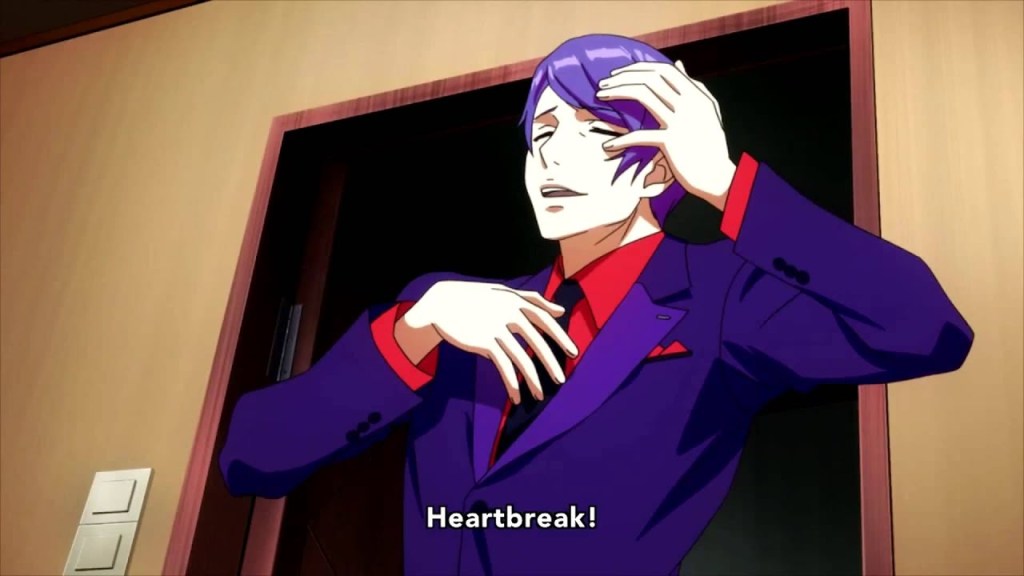
ESFPs are usually extraverted with a powerful sense of self-expression and personal values. They have an amazing connection to their five senses and are gifted with anything aesthetic or artsy. Like many ESFPs, Tsukiyama is cheerful and sociable, viewing the world as his spotlight in which to perform. He loves attention, as long as it’s not critical. Tsukiyama and others of this type don’t do well with conflict, and try to avoid it – but they will certainly fight for what they strongly believe in and/or what they strongly desire to possess.
With his intense passion for unusual food, Tsukiyama shows the ESFP tendency to focus on something involving the senses. ESFPs basically live for sensory stimuli and pleasure. They want to be popular and they know how to appeal to people to make them happy. In many ways, Tsukiyama is similar to an ENFP. The two main differences are 1) his obsession with sensory enjoyment, and 2) his common sense, which kicks in enough to keep him alive and stable. Both of these traits suggest sensing (S) over intuition (N).
4) ISFP: “The Adventurer” or “The Independent” –
Eren Yeager

Eren and others of his type thirst for adventure, are in tune with physical reality, and are independent to a fault. They are free spirits who don’t fit the mold. Much of this can be said about the other explorer types, too, so what makes the ISFP different? Eren is more introverted and contemplative than an ESFP performer. He is also more sensitive and caring than an ESTP daredevil. Compared to an ISTP, Eren makes decisions based on his gut instincts and feelings rather than a fair, logical process.
ISFPs are somewhat similar to the INFPs; both are creative, prone to like art, and extremely loyal to their friends. However, the typical ISFP is more physically oriented and practically skilled compared to the typical INFP. In my experience, ISFPs are also a bit more stubborn and outspoken than the stereotypically timid INFP.
Eren in particular is horrendously stubborn and insistent that his way is right. Due to his excellent combat skills and obstinate determination, some may consider Eren an ISTP. However, it’s obvious to me than Eren has an intensely emotional nature fueled by personal beliefs and desires. That means he would be a feeling type (F) and not a thinking type (T).
~~~
Well, that about wraps it up for the sixteen MBTI types! Let me know if you agree with my choices. This has been 7Mononoke at Anime Rants. Sayonara until next time!
Note: This post was edited and changed significantly in January 2024 to be more accurate with the types and to include more popular anime characters.
If You Liked What You Read, See…
INTJ Anime Characters: Strategists
ENTJ Anime Characters: Commanders
INTP Anime Characters: Thinkers
ENTP Anime Characters: Debaters
INFJ Anime Characters: Advocates
ENFJ Anime Characters: Givers
INFP Anime Characters: Idealists
ENFP Anime Characters: Champions
ISTJ Anime Characters: Sentinels
ESTJ Anime Characters: Supervisors
ISFJ Anime Characters: Caregivers
ESFJ Anime Characters: Providers
ISTP Anime Characters: Virtuoso
ESTP Anime Characters: Doers
ISFP Anime Characters: Independents
ESFP Anime Characters: Performers

Support me Senpai!
Help keep Anime Rants going with a small donation.
$5.00
 Anime Rants
how was I not following this blog. I really missed out. great post too
LikeLiked by 2 people
Thanks so much for subscribing! 🙂
LikeLike
Fascinating. Hmmm… I know I’m an introvert, but beyond that, I have no clue which side of the line I would fall on for the other three letters.
LikeLiked by 2 people
Hm do any of the “Type Titles” speak to you? Independent, Advocate, Executive, Debater, Dreamer, etc.?
LikeLiked by 1 person
Well, I see bits and pieces of me in a number of them. …hm, have you ever seen Once Upon a Time? Some good friends of mine told me I’m like Rumpelstiltskin, and (for the first few seasons, at least) I rather agree. I wonder what he would be.
LikeLike
I haven’t seen enough of it to say for sure, but maybe an INTJ. Always coming up with schemes that may take a long time to pay off.
LikeLiked by 1 person
I love the MBTI model. Most people would say its “scary” how accurate it is and well i kind of agree. I felt so understood while reading about my type which is INTJ. Although I don’t know the particular character mentioned here as the INTJ since I haven’t seen that anime. But people say Lelouch from Code Geass could fit as an INTJ? Or maybe Light Yagami from Death Note too? I would certainly say Ayanokoji from Classroom of the Elite is a good fit… Anyway, this was a great post to read!
LikeLiked by 2 people
I’m glad you enjoyed the post and I’m happy to hear my description of INTJ sounded ok. 🙂 Lelouch, I’d say definitely an INTJ. Probably Light as well, though it’s harder to tell with how childish he can be and with his narcissism clouding things. I’m not sure about Classroom of the Elite since I don’t remember the characters well and they didn’t leave much of an impression on me.
LikeLiked by 1 person
Luffy is a ENFP:
LikeLiked by 1 person
Thanks for your opinion. I will look into this further and see if I can find a better fit than Luffy.
LikeLike
Gon Freecss is a ENFP not ESFP:
LikeLiked by 1 person
Thanks for yor opinion. At this time, I am in agreement that he is a bit more intuitive than sensing. I have not edited this post in a while, but it’s now added to my list.
LikeLike
I’m not trying to be rude, but your MBTI type is determined by your cognitive functions, not by the four axis 16personalities.com uses
LikeLiked by 1 person
Thanks for sharing your opinion and it wasn’t rude! 🙂
LikeLike