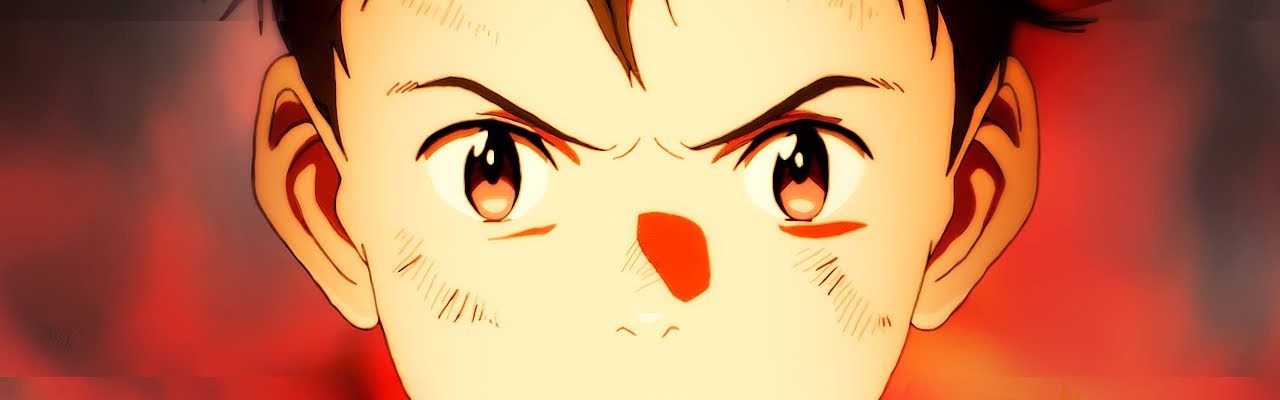
In a world where android technology has reached a point we can only dream of in the 21st century, is there anything that makes humans unique? Pluto asks this question and many others of equal philosophical value. Asimov’s Laws are still in place, so that robots cannot kill humans and are programmed to want to help them. But those ancient rules may not govern robots forever given their ongoing evolution.
Some stories similar to Pluto pose the ability to love as the last bastion of humanity that robots cannot adopt. However, in the world of Pluto, the ability of advanced robots to love is never questioned. Atom obviously loves his sister, and Gesicht obviously loves his wife. Instead, the final measuring stick is the opposite of love. Robots cannot experience hate. But again, how long will that last? Please join me for a review of the epic sci-fi anime, Pluto.

(Side Note: If you haven’t read much about Naoki Urasawa and Osamu Tezuka – the brilliant minds behind this series – I recommend doing so now. This knowledge can potentially help you appreciate Pluto even more.)
Article Contents
Story
Score: 8/10
Pluto is divided into eight episodes that vary in length but are roughly an hour long each. The installments are not structured in any special manner. Personally, I think the series would have been more palatable to a wider audience if it was divided into 20-minute episodes, making it a two-cour series of about 24 episodes with a more standardized plot progression.

Generally, the events of each episode play out in exciting and interesting ways. However, there was one way in which Pluto‘s plot felt very formulaic: it was clear that members of the eight robots would keep dying every episode. After Montblanc and North #2 were killed off in the first episode, the pattern was clear. It was never surprising when one of the eight robots were killed. That being said, the narrative still managed to make each death feel depressing.
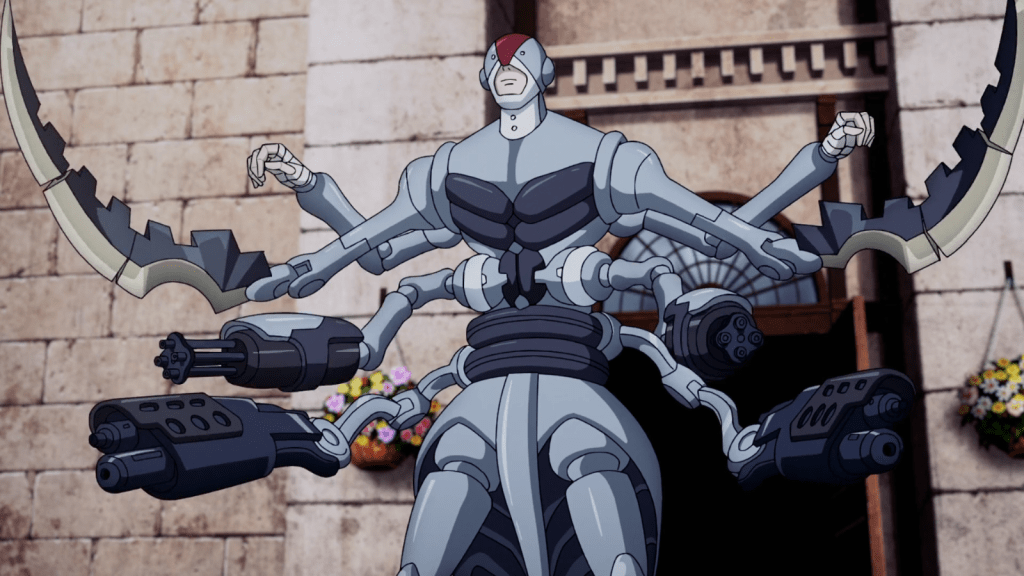
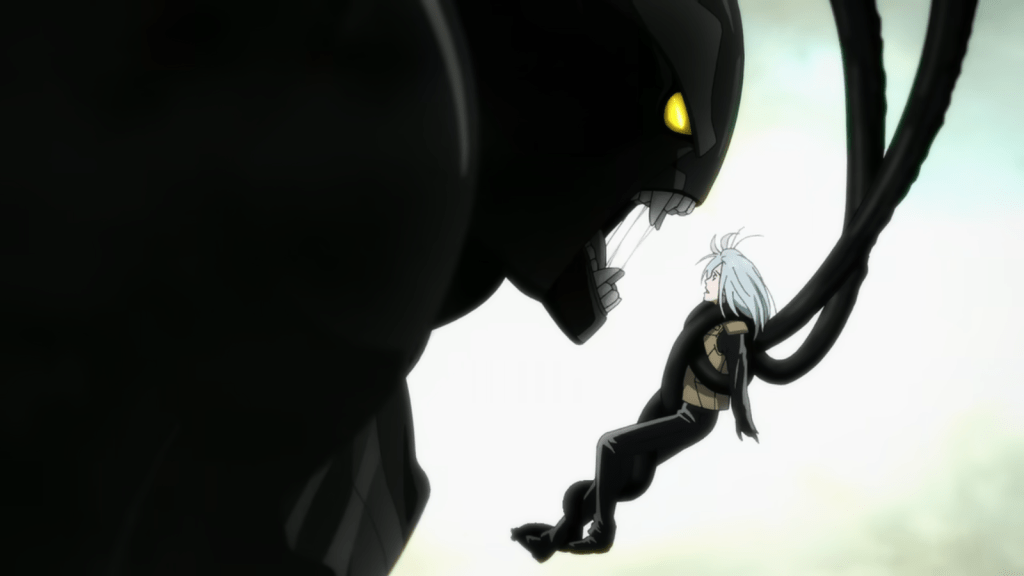
Although Pluto isn’t as thrilling to me to me as Monster (Urasawa’s true masterpiece), it definitely still had good elements of mystery and suspense. The pacing was fairly decent as long as you know that it’s much more of a philosophical and psychological anime than an action anime. The subject matter has a lot to do with war, but there are only a handful of battles shown, and they’re not exactly stunning.
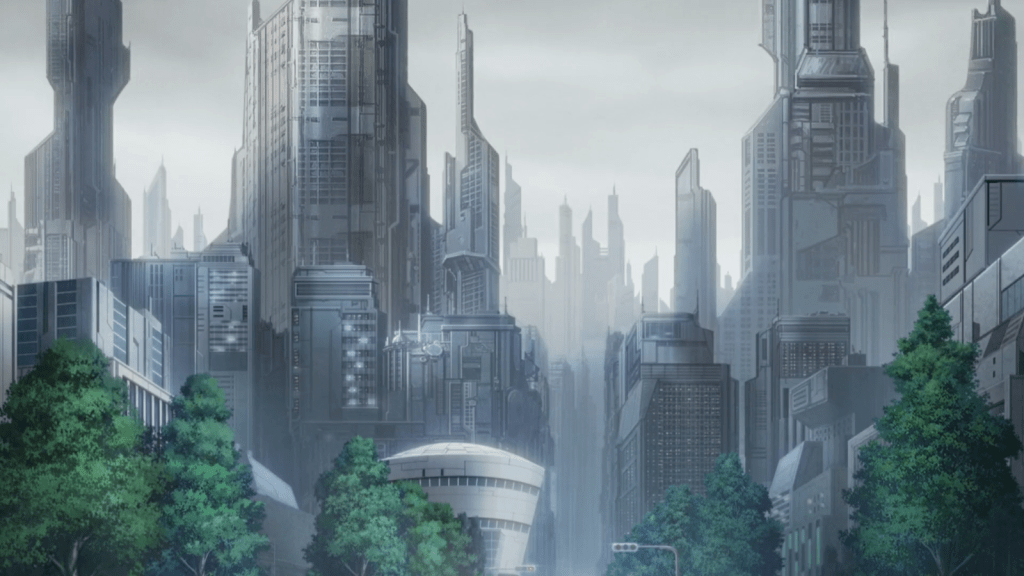
The world-building needed some work, since a lot of details were unclear. For example, how similar is this world to our own? Some countries are named the same way as in reality – for example, Germany and Japan. Other countries are named differently – like the United States of Thracia – so that we’re not sure if it’s the same as our world’s “USA.” We also don’t know exactly what era this is. How far into the future is it? Some areas look old, while others are futuristic cityscapes. Many questions are left unanswered.
So far, with the problems I’ve pointed out, I would normally give Pluto‘s story category a score of 7/10. However, there’s one more piece of the puzzle to consider: the themes and messaging. To me, this is one of the most important aspects of any story. If a series has something valuable to say, and manages to say it well, then it will always get a high score from me. This is true of Pluto.
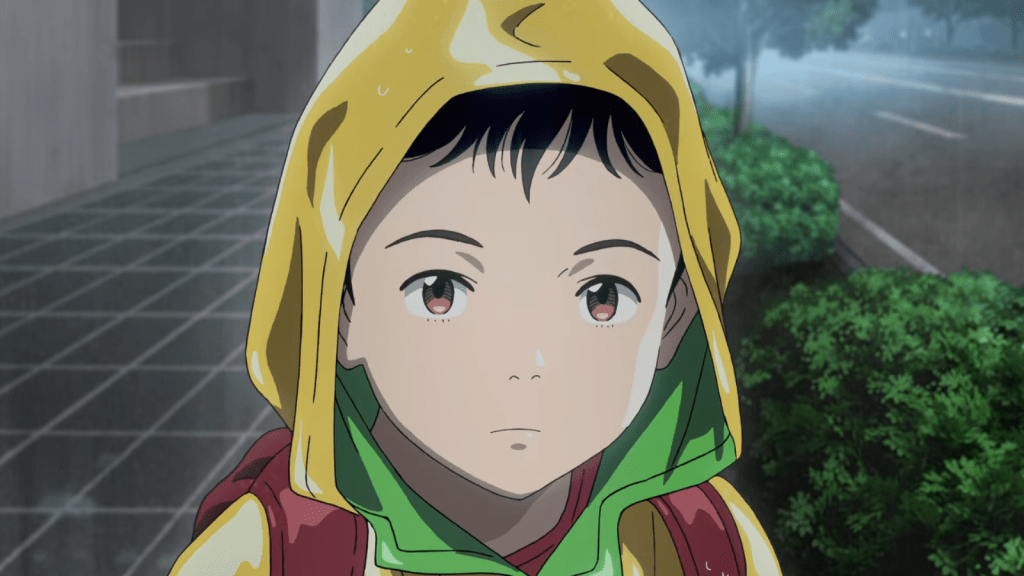
As a series that explores human and robot psyches, Pluto includes timeless themes like the violent nature of humans, powerful emotions such as love and hate, the horrors of war, and the pain of losing those dear to you. There are also definitely some political messages about government corruption and weapons possession. (The fictional historical conflict between Thracia and Persia was probably an allegory for the real conflict between the USA and Iraq in the 2000s.)

Though some characters in the series are completely pacifistic – like Epsilon – the discussions of war are nuanced, so that there isn’t any black-and-white preaching that all war should always be avoided. That being said, Pluto is definitely a story that grieves about violence and hatred. It’s a story that wants humans to be better while acknowledging we may never be. I think we need more media like this. That’s why Pluto‘s story gets 8/10.
Visuals
Score: 7/10
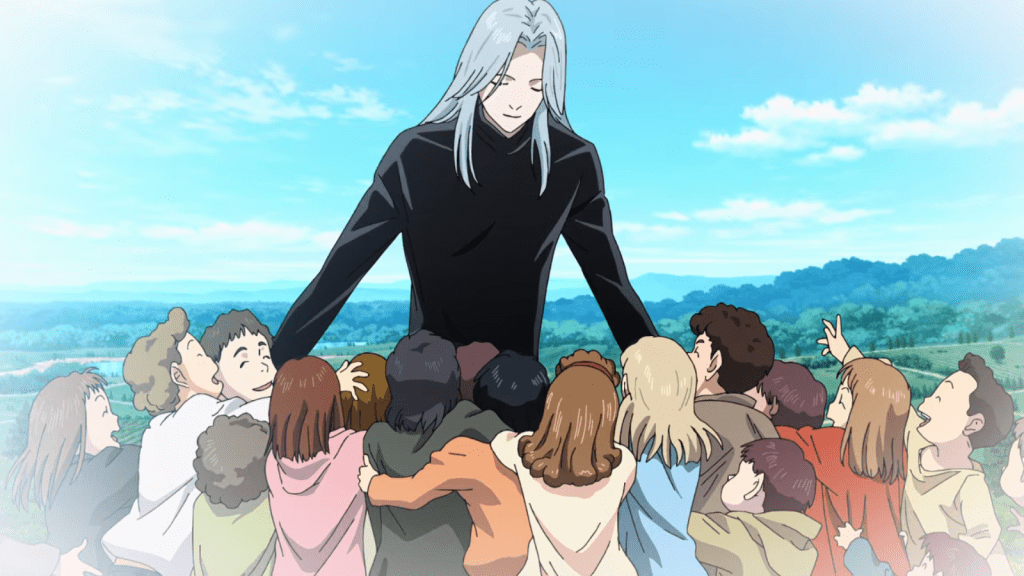
I genuinely wanted to give Pluto 8/10 for its visuals because I Iove Naoki Urasawa’s art style. (The anime did a great job keeping the style from the manga.) But no matter how much I appreciate that unique aspect, it’s not the only thing to consider. We also need to judge elements like CGI components, fluidity of animation, special effects, and more. When all of this is measured together, sadly, the best I can give Pluto is 7/10. Now let’s go over some specifics.
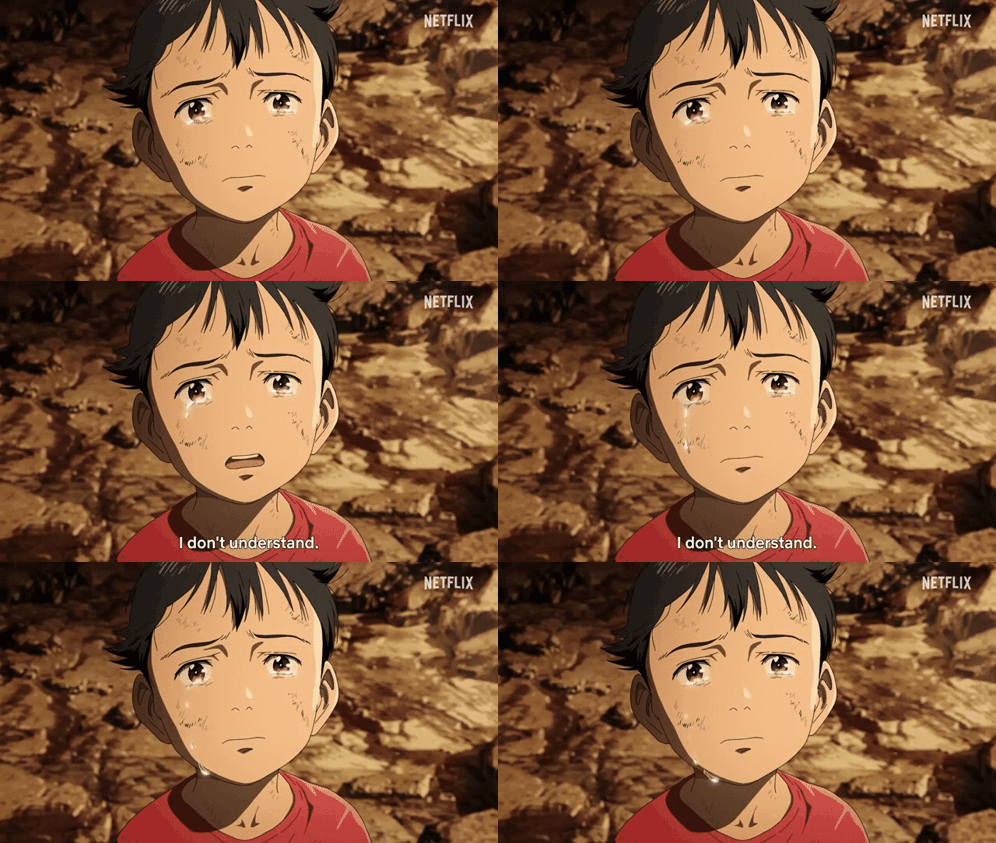
There is a general lack of good, fluid animation for motion in this series. To balance it out, there are a lot of very beautiful and colorful still-shots of the characters at key moments. When there is normal motion like walking or running, it looks slightly unnatural. There are a lot of CGI components, but in my opinion, most of them blend in very well. If anything, maybe they blend in too well and look generic. The cars and some of the 3D backgrounds are examples of this.
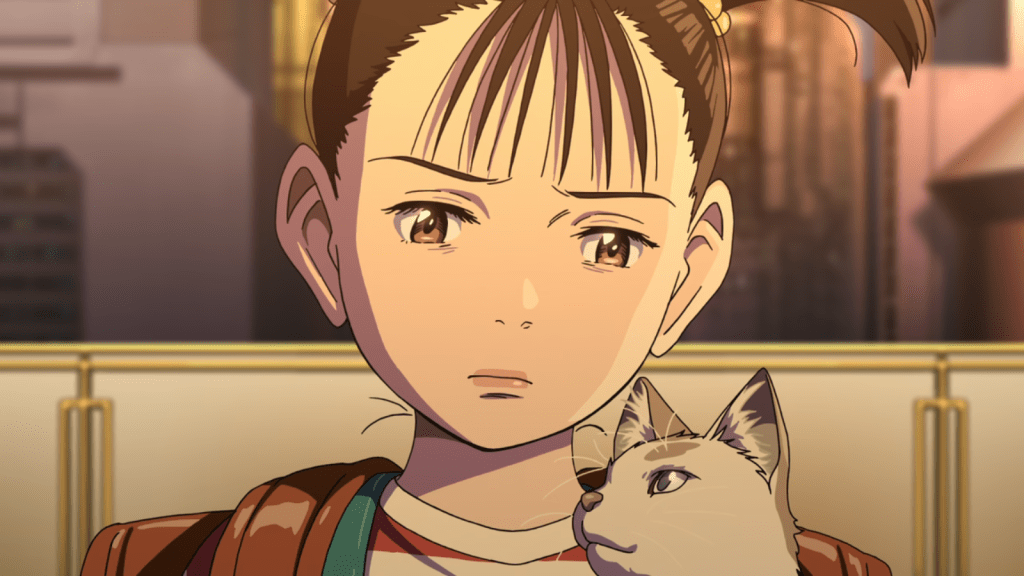
The colors, lighting, and scenery are all great most of the time. I like how some scenes have vastly different colors of lighting than normal. For instance, whenever Gesicht visits Brau1589, the lighting takes on a dark blue hue. The colors can be really vibrant in this anime. And of course, the face expressions on the characters are amazing.
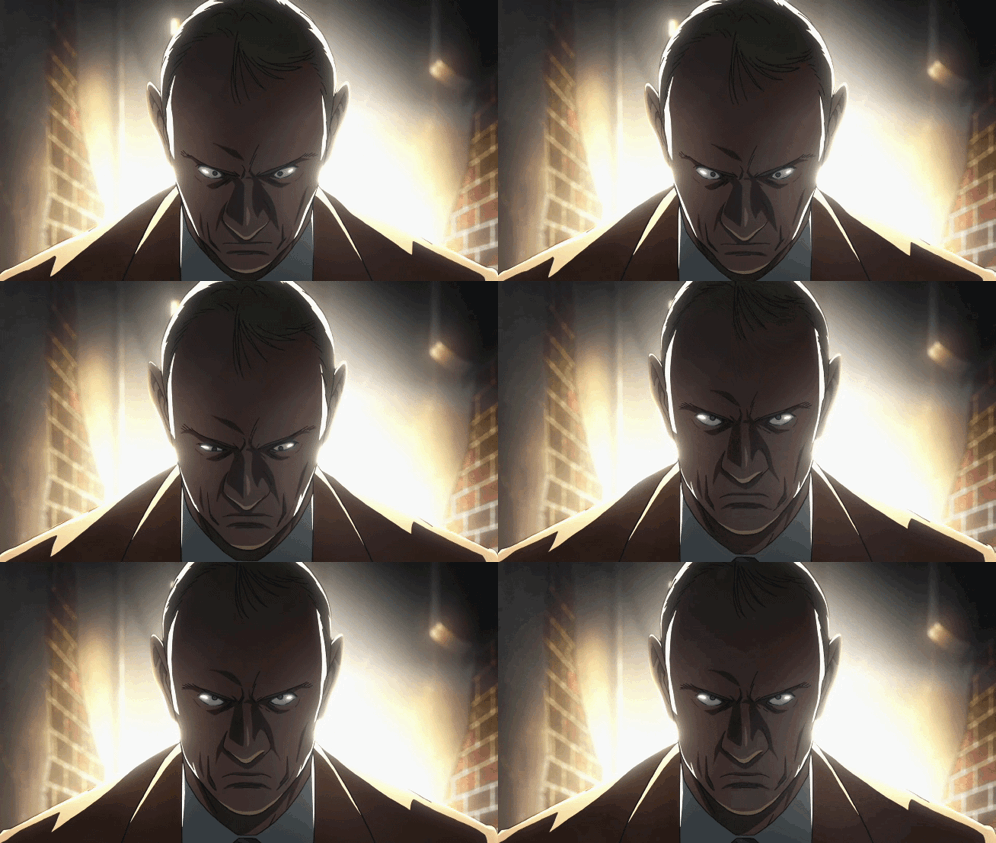
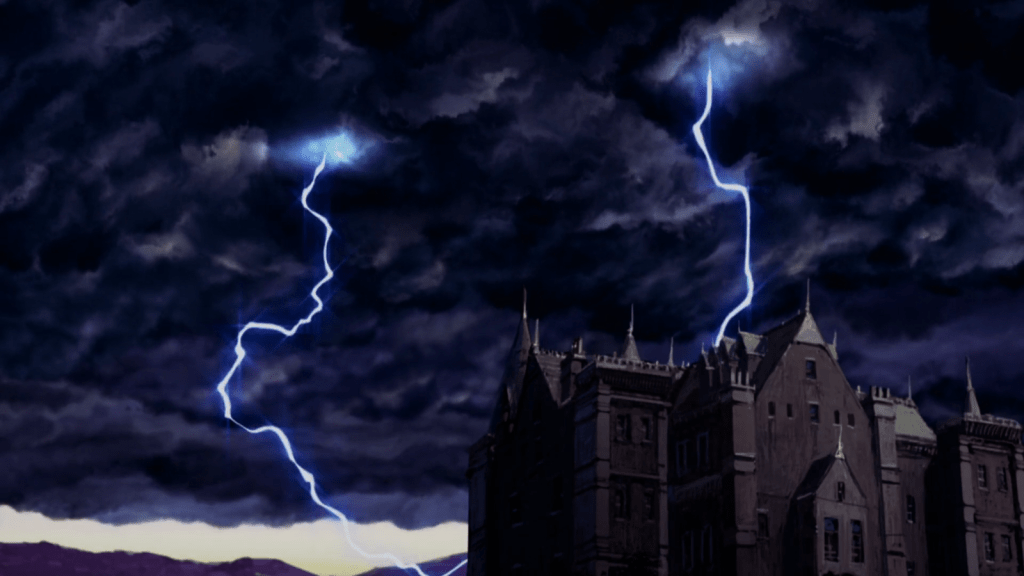
Someone pointed out to me that the weather and storm visual effects look weird in this anime. I assumed they were stylized to look eerie and unnatural. However, I could be wrong and they are just low-budget visuals. If you don’t like creepy, unrealistic black clouds, then you won’t like the stormy scenes in Pluto.
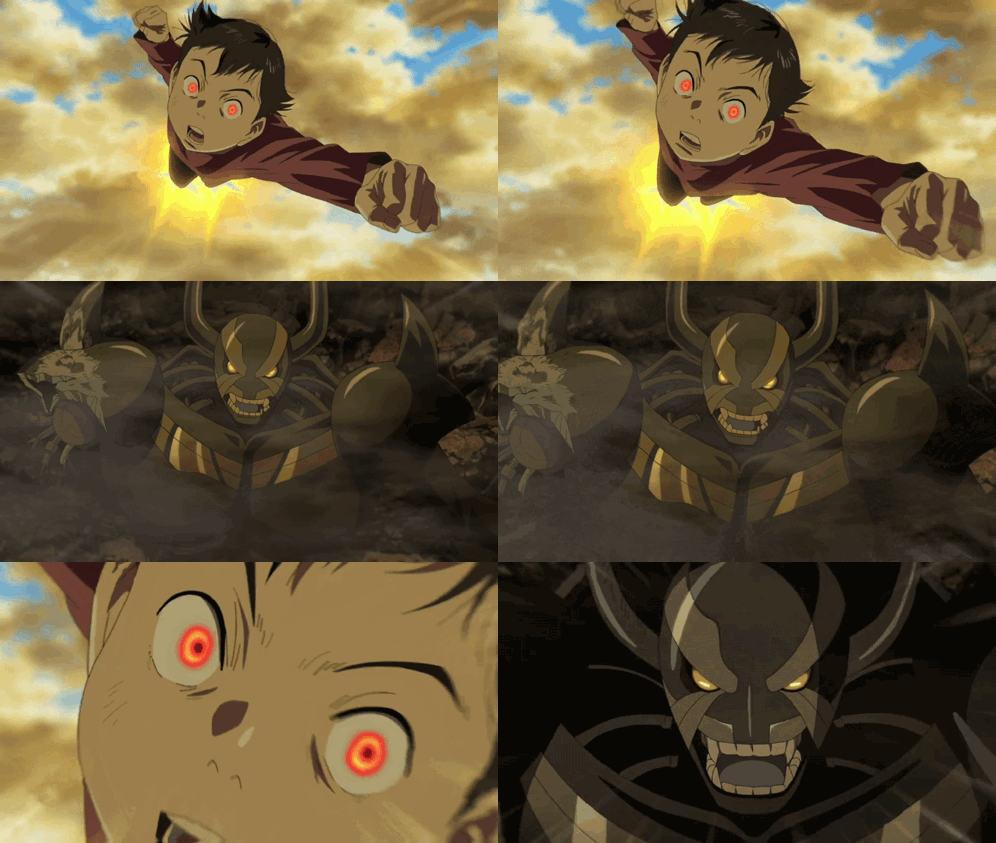
Battle sequences are not very compelling. Because the battles are emotionally charged, they can still be intense, but they don’t look great on their own. With a balance of excellent and mediocre art and animation, I’d say Pluto averages out to “Good/decent” in terms of visuals, but not “Great/Exceptional.”
Audio
Score: 10/10
Unlike the visuals, the audio in Pluto is exceptional. Interestingly enough, there isn’t an opening song. There are two ending songs, but they are instrumental and part of the series OST. (The tracks are “Clues to the Truth” for episodes 1-5 and “Zeal for Life” for episodes 6-8.) Speaking of which, the original soundtrack was composed by Yuugo Kanno. This amazing music maker is known for composing the soundtracks for Psycho-Pass, Jojo’s Bizarre Adventure (parts 3-6), and Ajin (Demi-human), among others.
Kanno’s music is absolutely beautiful. It’s usually fairly classic, orchestral-type music with piano, strings, and the like. Pluto‘s OST is especially heavy on the emotional string melodies, which I adore. One of my favorite tracks in the OST is “Cherished Memories,” the song that Duncan and North #2 play on the piano in the first episode. It’s a song of longing for the past and for what could have been.
Pluto does best, in my opinion, with melancholy tunes. However, there are also some good ominous tracks like “Solitary Combat,” as well as more hopeful ones like “Clues to the Truth.” Another one of my favorites is “Armful of Flowers,” which is an interesting mix of melancholy, eerie, and mysterious. Definitely listen to this soundtrack if you have some free time.
Next we’ll cover the Japanese voice-acting. I thought it was great overall, though a few performances may have been a bit over-the-top. The cast includes Yoko Hikasa as Atom, Shinshu Fuji as Gesicht, and Mamoru Miyano as Epsilon. Hikasa typically voices confident or eccentric female characters, but does excellently as a young boy as well. I’m not familiar with Fuji from other roles, but I loved his performance here. As for Miyano, he’s a famous and beloved veteran of voice-acting who tends to play popular and attractive young male characters. (Good casting choice. Epsilon is gorgeous.)
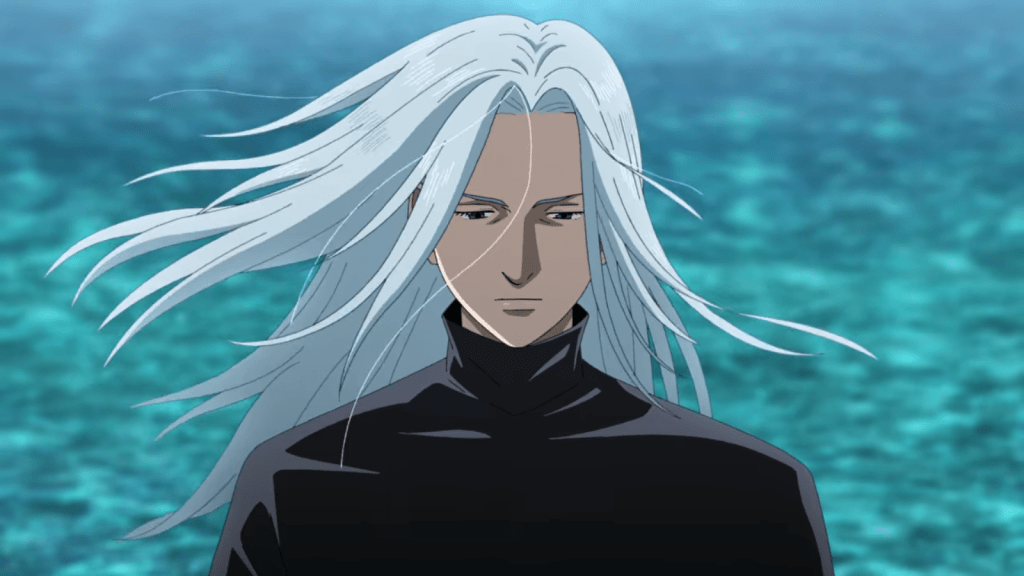
Many other voice actors performed excellently as well. There were also a few other female seiyuus that I wanted to mention. Romi Park played Helena, the wife of Gesicht. She usually plays flamboyant queer characters or loud young boys, so it was fascinating to hear her voicing a quiet, mature woman. In addition, the teddy bear robot from Thracia – Dr. Roosevelt – was voiced by Marina Inoue, a voice actress I hold in extremely high regard. Her narration and voice-overs are always memorable.
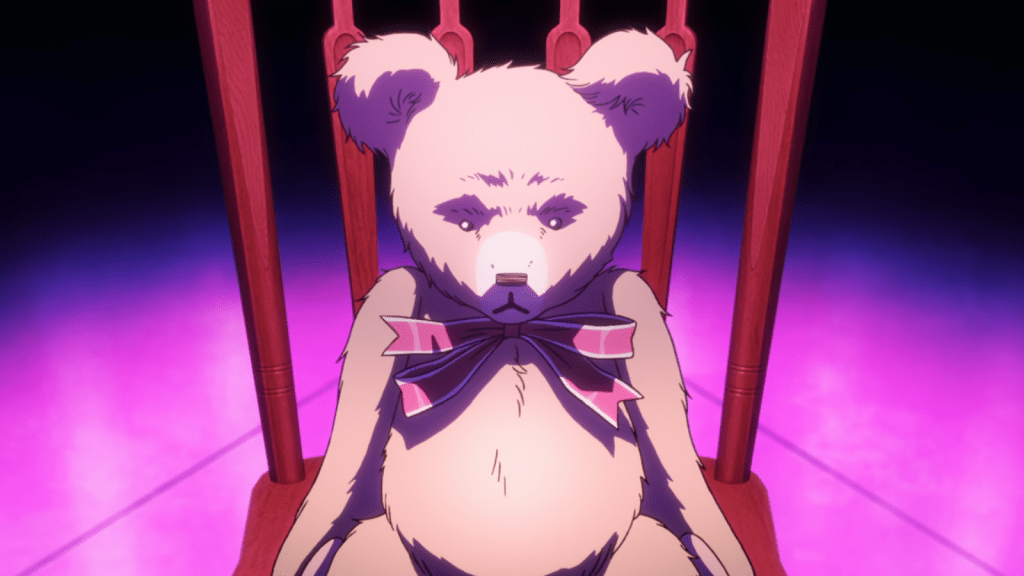
On a final note about audio, I watched a few clips of the English Dub on YouTube. To my surprise, it was pretty damn good. So if you want to appreciate this anime without reading subtitles, this is a rare case where I can recommend the English Dub.
Characters
Score: 8/10
The characters in Pluto are outstanding. I have only a few complaints, such as wanting there to be more female characters, or wishing for more screen-time and development for the character of Sahad. Besides minor grievances like this, the show did great with presenting interesting characters and letting them experience growth and change. From minor supporting cast to main characters, everyone had some memorable moments.
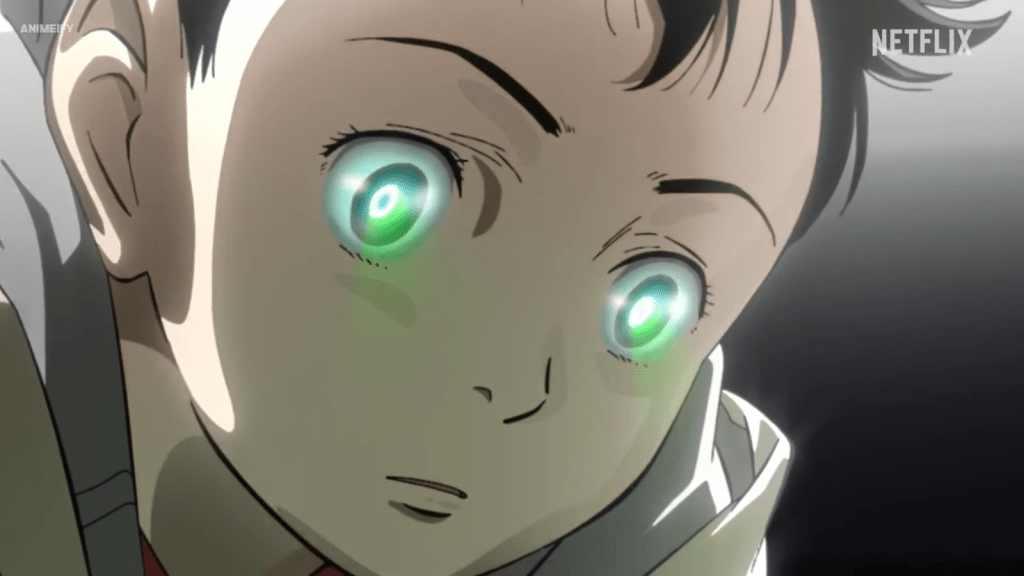
Note: manga author Naoki Urasawa didn’t make up most of these characters. They were the creations of Osamu Tezuka from long ago. But since Pluto as a series is credited to both creators, there’s no reason to let that take away from its score. Tezuka created timeless characters that have maintained their seats in anime history for decades now.
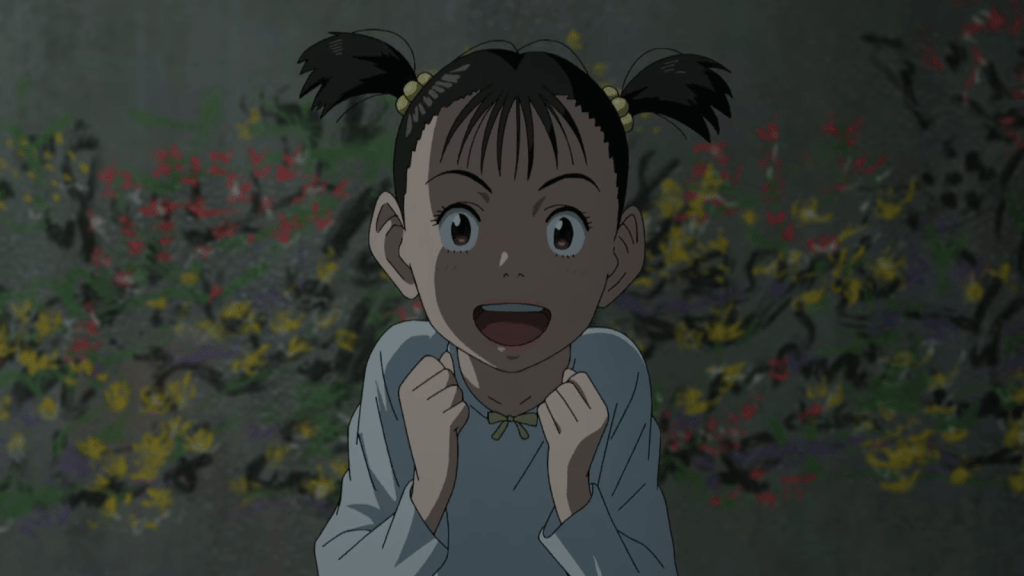
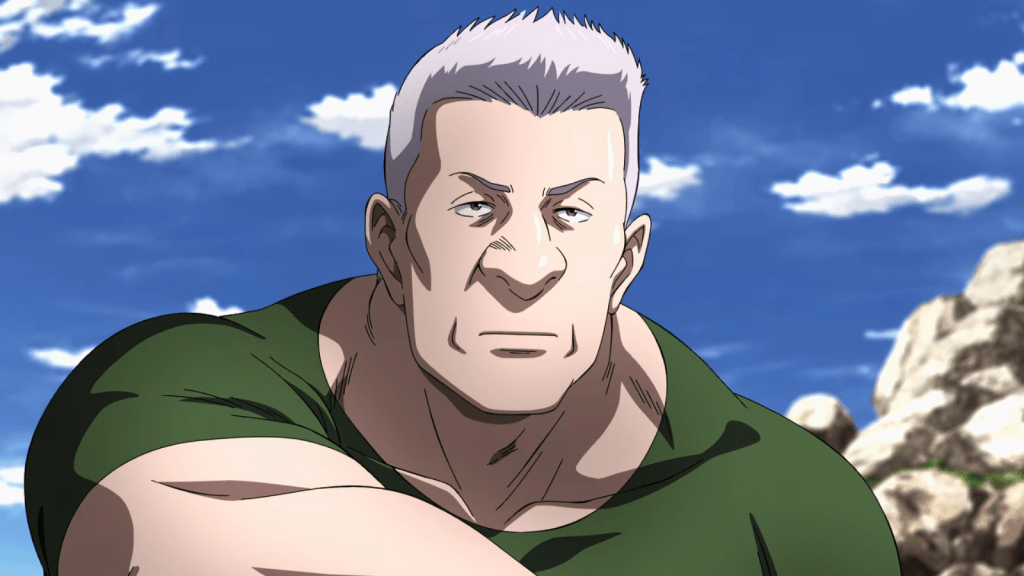
For most of the series, the two central characters are Gesicht and Atom, with the main role of the hero slowly transitioning from the former to the latter. Both characters go through a lot of pain, change, regression, and growth. Supporting characters like Hercules, Epsilon, and Uran provide a more varied assortment of personalities. Dr. Tenma was another supporting character who fascinated me. As the main antagonist, Abullah was intriguing as well.
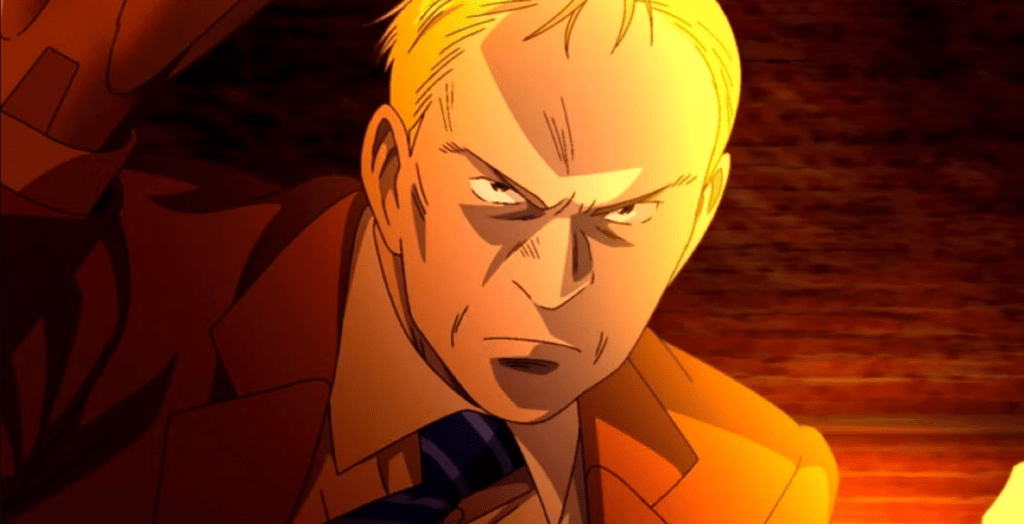
On a final note, there was one other issue. The deaths of the eight robots were rather formulaic and predictable. Whichever robot got the most character development in a given episode was usually the one who died. However, I think this is more of an issue with the narrative category than the character category, since it’s a weakness in storytelling. That’s why I didn’t dock another point off the score for characters.
Personal Enjoyment
Score: 9/10
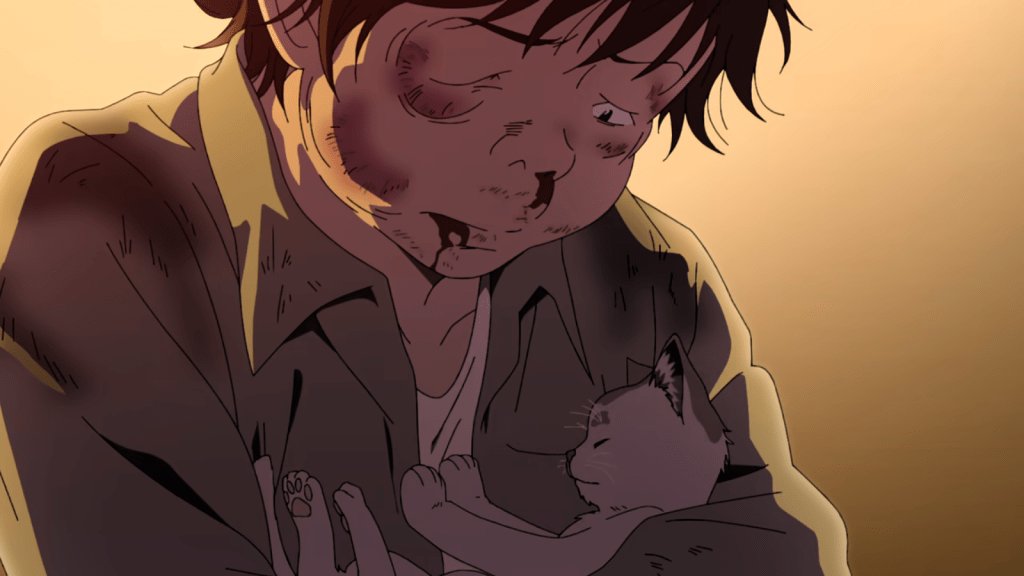
My only complaints were a few small plot holes and the tendency for the narrative to be a bit melodramatic. Other than that, I fully enjoyed Pluto. In a broad sense, I love the psychology that’s explored in this series. The themes about overcomimg hatred and grief were deeply meaningful. This is one of the main reasons I love Naoki Urasawa and his works: his insight into the human condition and the emotional struggles of life.
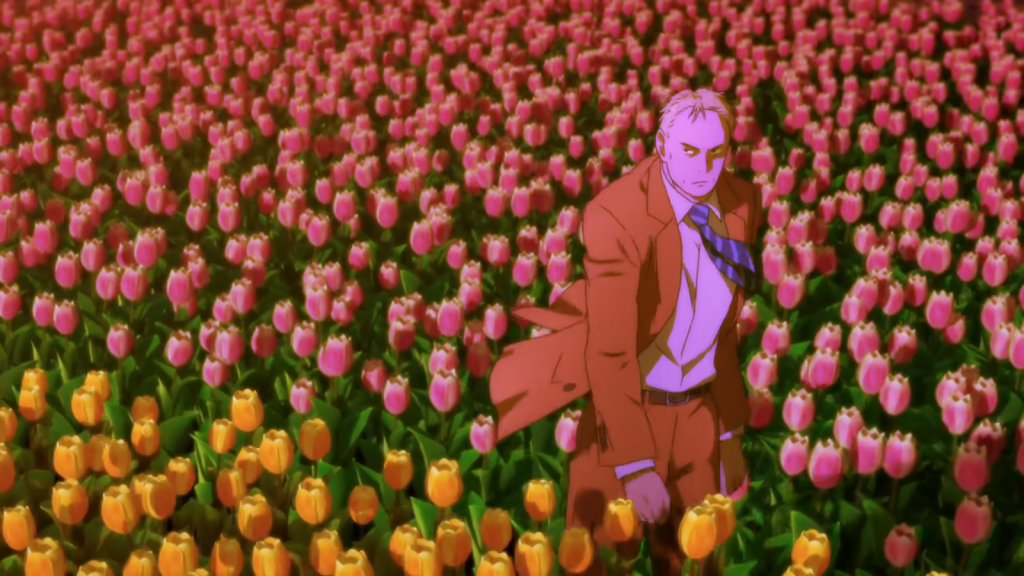
Still speaking broadly, I love the art style, colors, and lighting in this series. If you want a particular example, I enjoyed the fields of tulips that Gesicht walks through while trying to learn about Sahad. So beautiful! Additionally, I appreciated the music and Japanese voice-acting. “Cherished Memories” is probably my favorite track in the OST. The VA who played Gesicht really stuck in my mind. I won’t forget that voice from now on.
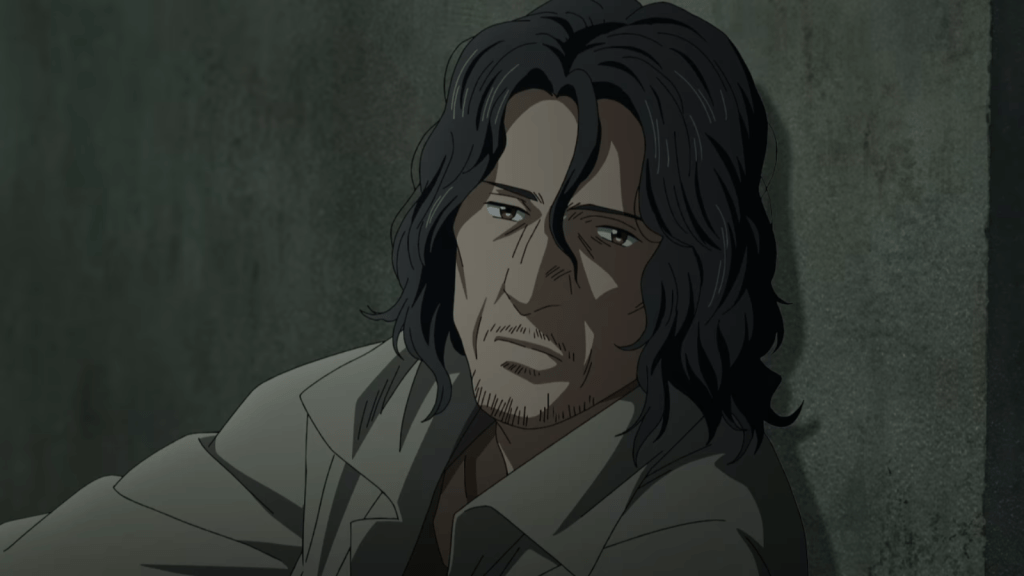
Something I specifically enjoyed was the short story arc about the robot who painted the flowers on the wall. That character, with his quiet charisma and ability to bring his images to life, was fascinating. Another enjoyable element was the snail that represented innocent life and Atom’s hope in the world. Early on, Atom gently observes and touches the snail. Later, after his reawakening, he grimly considers killing it. In the end, however, Atom spared the snail. Thank goodness.
I’ll give one last example of something I enjoyed in Pluto: Tenma’s idea of “The Perfect Robot.” According to Tenma, the most advanced, knowledgeable, and useful robot would be one programmed with every conceivable personality. This robot would understand all humans and all emotions since he would be all of them in one. But no robot’s mind could handle billlions of personalities. Unable to have a clear sense of identity, that robot would probably never activate. This is just one of many intriguing ideas in Pluto.
Overall Score
Score: 8.4 / 10.0
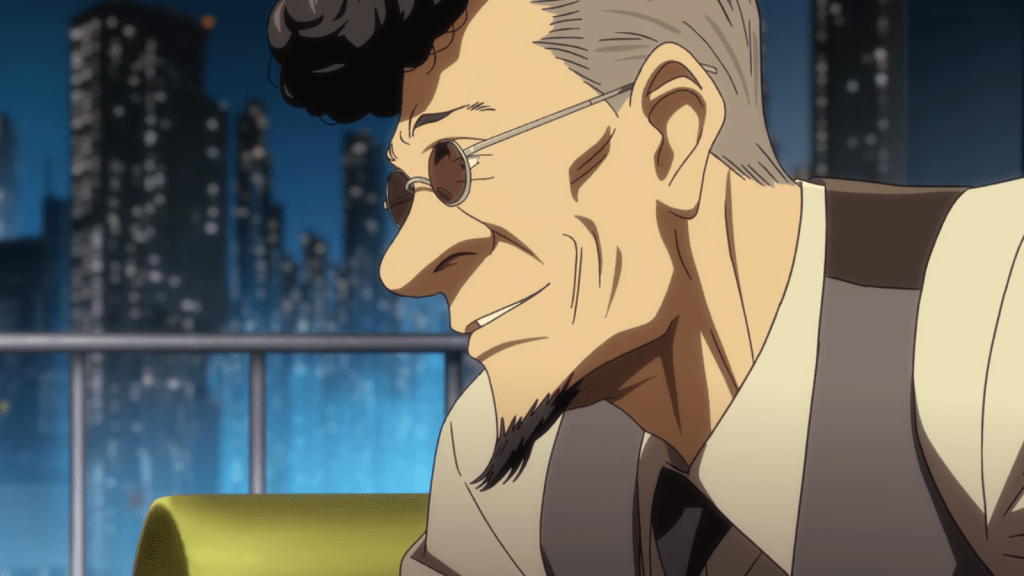
The overall score is the average of the category scores explored in the previous sections. In my opinion, Pluto deserves 9/10, but that’s my biased view based on personal enjoyment more than anything else. A more balanced take would be this overall score.
Pluto was fairly well-received despite its relative obscurity. If not for the release of Monster on Netflix a few years before, I doubt it would have even been as known as it is. I’m always pleasantly surprised when someone mentions Pluto. On MyAnimeList.net, this series has a rating of 8.47 from about 78k voters (as of October 8th 2024). This is an excellent score for a Netflix anime with a divisive art style. Clearly, I’m not the only one who thinks Pluto is awesome.
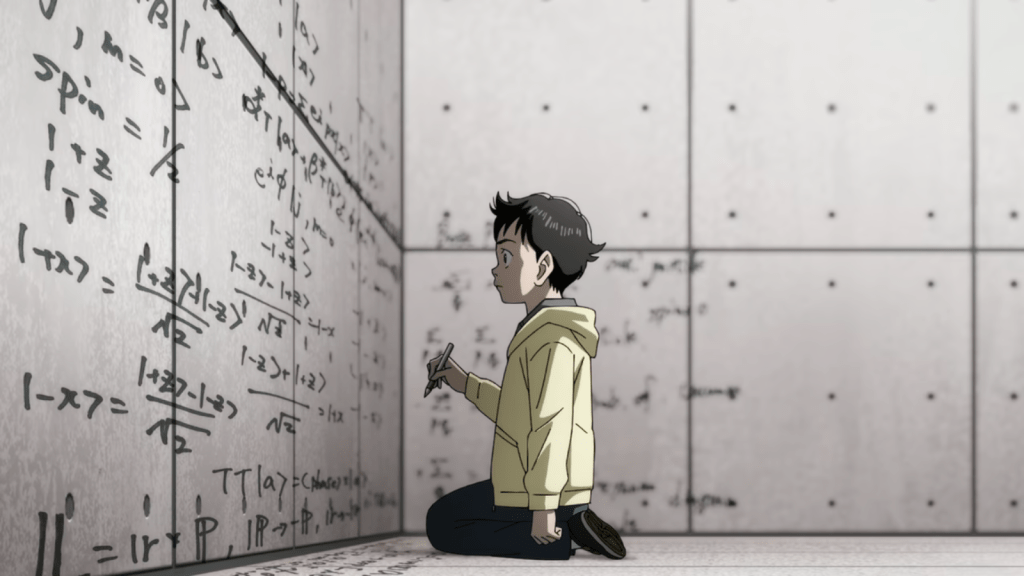
You should certainly watch Pluto if you liked Monster or any manga works by Naoki Urasawa. In addition, if you are interested in Astro Boy – one of the first TV anime series ever made – you will also probably appreciate Pluto. However, you should be aware that there are character deaths. Last of all, if you are into dark psychology and themes about human nature, this anime will be right up your alley.
~Thanks for reading~
~


Great review and I still need to watch this anime when I find the time. Naoki Urasawa is such a talented storyteller. Rewatching Monster should also be something I should do.
LikeLiked by 1 person