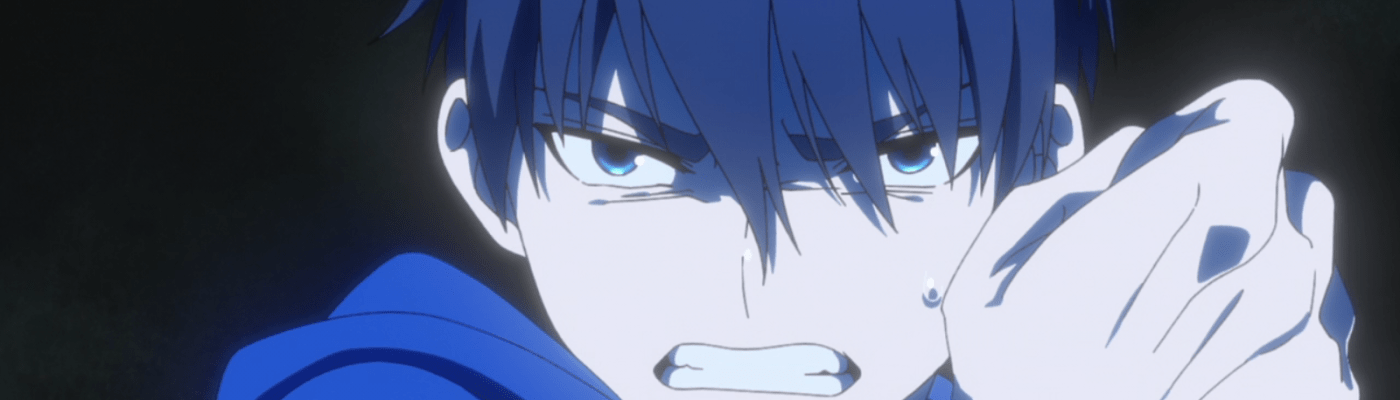
Blue Exorcist is not an outstanding anime overall, falling behind more modern and well-made shounen anime like Hunter x Hunter (2011) or Jujutsu Kaisen. However, this has always been a special anime to me personally, ever since I started watching it around 2012. The show features some interesting premises, lore, and characters. It’s also an example of engaging fiction created by a woman, which often means the female characters are not as badly written and the perspective is more unique. Blue Exorcist also features many Japanese seiyuus that I love and respect. For all these reasons, I will continue writing reviews for the recent seasons. (Eventually, I will also cover the first and second seasons, for which I still haven’t written reviews as of May 2026).
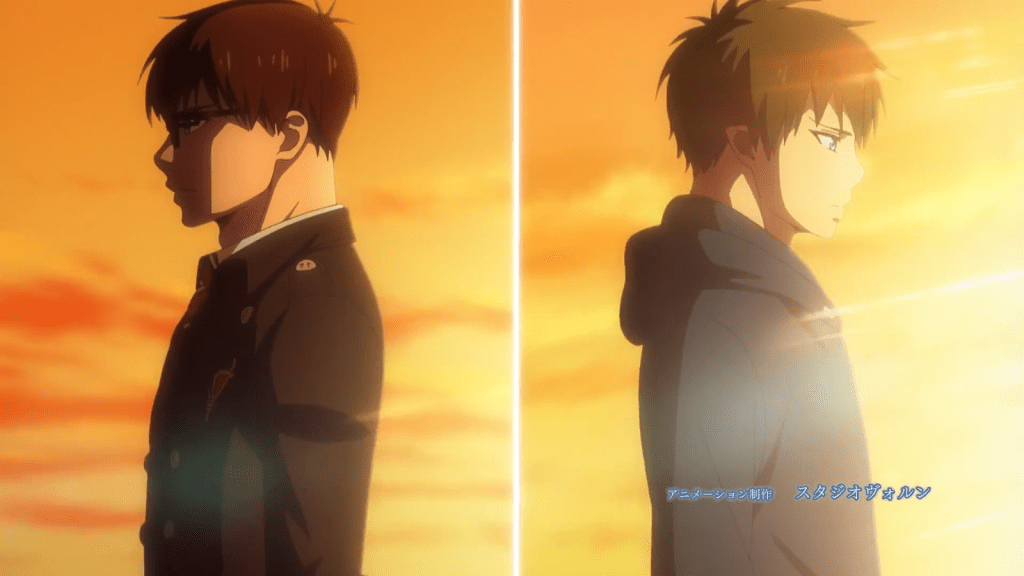
This review covers the “fourth season,” or as it’s officially titled, Blue Exorcist: Beyond the Snow Saga. Released in Fall 2024, this season was not quite as good, in my mind, as the previous one. But it was still crucial to the plot and characters, and still worthy of a decent score overall. The main issue that held it back was the visuals. Further explanation and comments can be found in the categories below. Enjoy the brief review!
Warning: Spoilers present
Story
Score: 7/10
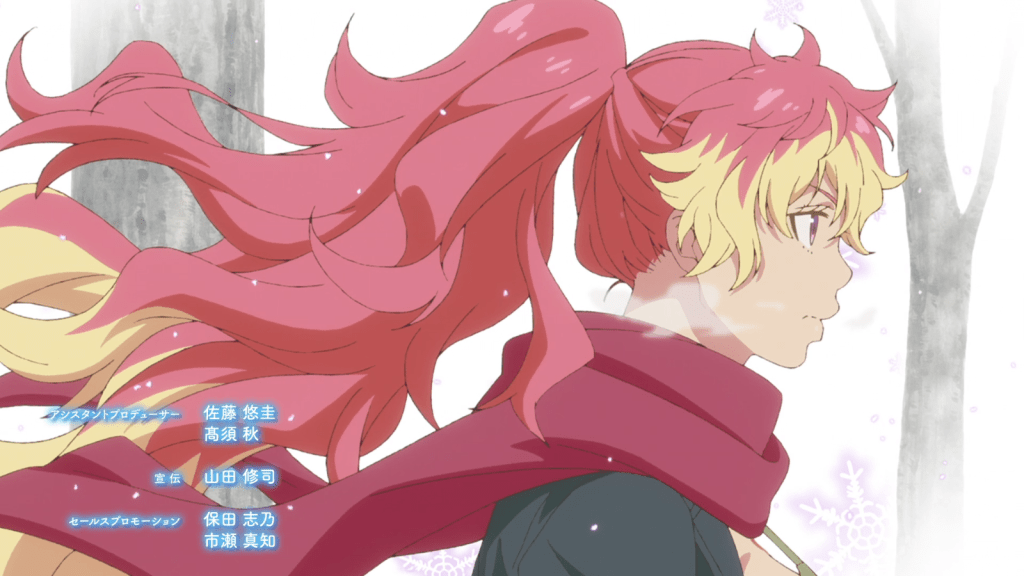
In the fourth season of Blue Exorcist, we pick up right where we left off, with the Illuminati having opened a Gehenna Gate (portal to Hell) in the North Pole. Thanks to honorary Knight of the Order, Lord Mephisto Pheles, the Gate is frozen and the world remains relatively safe. However, this is only a temporary stop-gap measure. The demons could break through at any time and overwhelm civilization. Sensing a coming disaster, the Vatican decided to move the Exorcist Exam to a much closer date in only a few months. This would increase the number of exorcists drastically. Even highschoolers would be allowed to take the exam and become child soldiers (cough) – I mean exorcists.
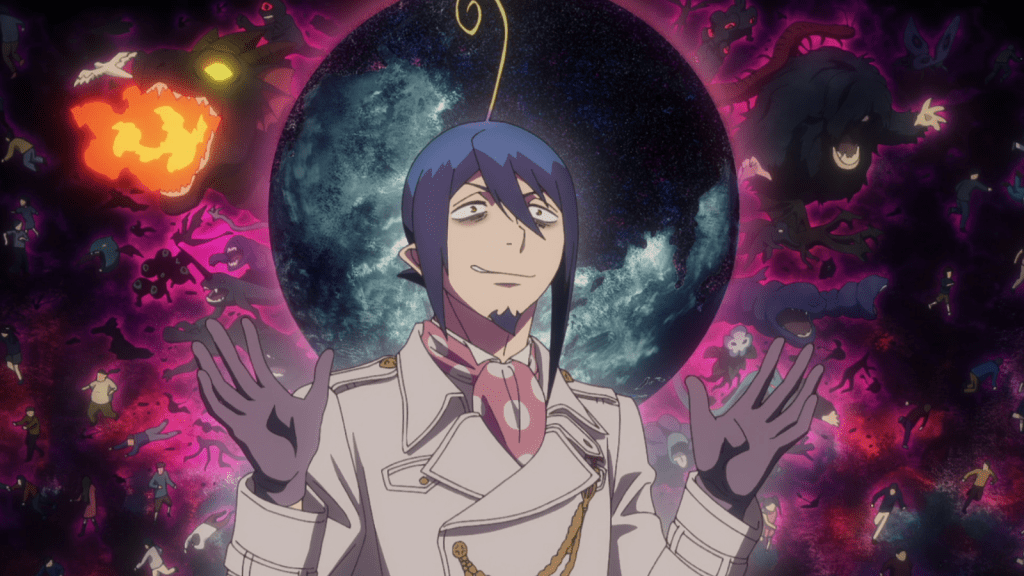
Though there was slow pacing in the first few episodes, the story this season was good overall. First, we had an arc about Shura Kirigakure, the mentor of Rin. I was happy to finally get some backstory and development for this important female character. Though Blue Exorcist isn’t exactly progressive, it did better than the average anime at telling the story of a strong woman. After Shura’s arc, the story transitions to focus mostly on Yukio and his struggles as he awakens to the demonic power in his eye. I have always loved this character and it was great to see him get so much development, even though most of it was negative emotional spiraling rather than positive growth.
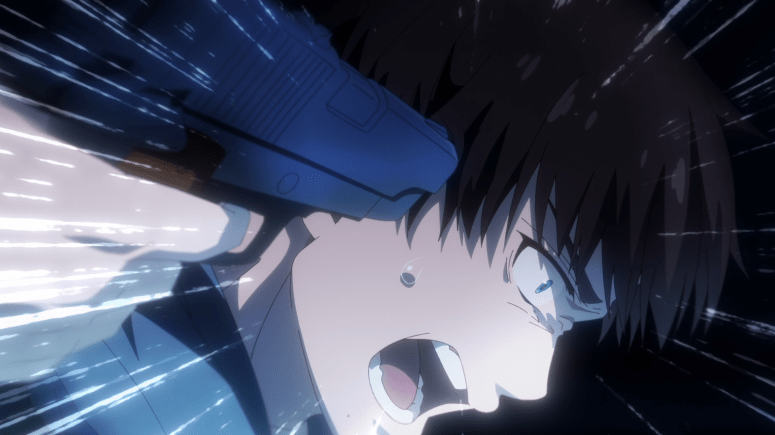
I was impressed with the way this season built up to a climactic final episode. It leads very smoothly into the next arc, The Blue Night Saga. The story themes in this season included: sibling dynamics, growing up, disillusionment, grief and depression, acceptance, identity, and personal empowerment. Blue Exorcist handled these themes fairly well. Although it wasn’t spelled out, I think it’s safe to say that one of the important themes was mental health. When stress and lack of support weigh us down, and we refuse any kind of help, we spiral into depression and even sometimes toward suicide. Yukio was a powerful example. Though the story was slightly slow or roughly structured at times, it also featured interesting themes and an engaging, exciting finale.
Visuals
Score: 5/10
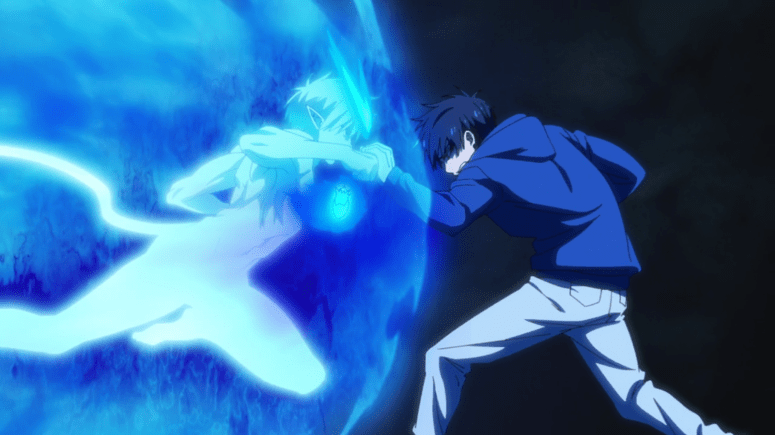
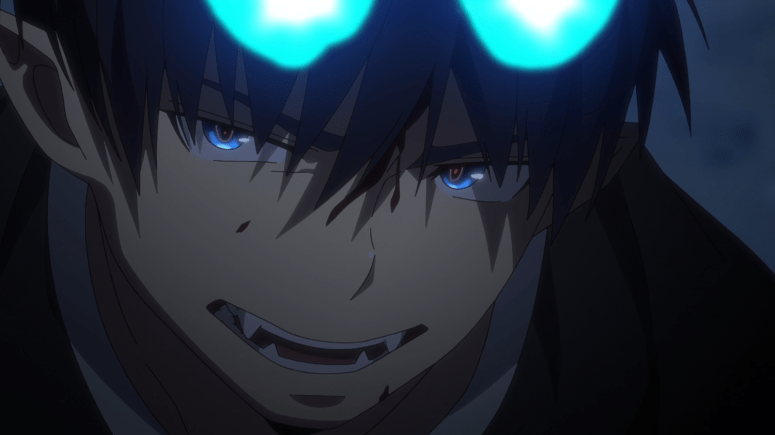
The visuals were more annoying to me this season compared to Shimane Illuminati Saga. I don’t know if there was an actual drop in quality, or if I just happened to notice more shots that looked “off” or poorly drawn this time. Either way, I won’t call the visuals straight-up bad. There were some beautiful still-shots in this season that I enjoyed. In addition, I loved the animation for Demon Rin’s awakening in the final episode. Hachiro the serpent demon had a cool design. The bright colors and character designs are always a treat for me to see, even in the art-style of studio VOLN. (Though I do admit that I preferred the look of things when 1-A Pictures was running the show.)
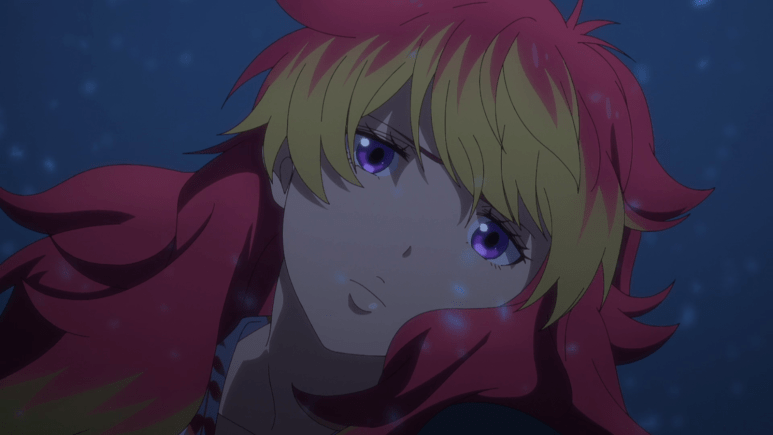
Despite a few strong moments, the visuals are overall what I would call “average” or “mediocre.” There are weird, unrealistic face expressions as well as off-putting, poorly integrated creature designs. (The naiads from episode 2, for example, looked bizarre and out of place.) There aren’t any impressive battle sequences and no attempt was made at creative cinematography. It sucks to be harsh on Blue Exorcist, but these visuals were just not up to par for a modern shounen.
Audio
Score: 8/10
The opening song for this season was “Re: Rescue” by Reol. It’s a high-energy J-Pop song with a female singer and elements of electropop and EDM. Though not my favorite style personally, the song still makes for good listening as long as you like upbeat music. The ending song was “Tsurara” (“Icicle”) by Yobahi. This song is a bit slower but still cheerful. It’s whimsical at certain points and full of heartfelt emotion from the male vocalist all throughout. “Tsurara” is a truly charming song. I enjoy the strings element as well as the strong chorus. Both Reol and Yobahi are fairly popular Jpop bands with strong ties to and influences from internet culture, so I think the creators of this season of Blue Exorcist chose these songs to stay relevant and appeal to teenage J-pop fans. It makes sense. After all, shounen is the main demographic for this anime.
The instrumental music has always been one of the highlights of Blue Exorcist for me. The first season’s music was composed by the famous musical creator Hiroyuki Sawano. Almost every track was stunning. For the “second season” – the Kyoto Impure King Saga – the primary composer was Kohta Yamamoto. His music isn’t as distinct, unusual, or popular as Sawano’s, but I still greatly enjoy Yamamoto’s work. In every subsequent season, Yamamoto and Sawano both contributed. A new OST album for Blue Exorcist seasons 3 to 5 was released in 2025.
I also noticed that this fourth season reused some tracks from as early as the first season that were not re-listed in the 2025 album. That includes the piece “Koukyoukumikyoku Devil 3Rd-Mov.:Exorcist” by Hiroyuki Sawano. (Their titles are all weird like this.) This piece plays in the first season, possibly in other seasons, and then again season 4 when Rin awakens to his Demon Heart. It’s one of the most thrilling tracks of the series.
Another one of the great appeals of Blue Exorcist is the Japanese voice-acting. (I’ve never seen the English Dub, so I don’t know how good or bad it may be.) All the same VAs from previous seasons returned for their roles with the exception of Shiro Fujimoto. (He was played by Keiji Fujiwara in the first season and at some point replaced by Hiroaki Hirata.) The voice-acting is especially enjoyable if you’re familiar with some of the seiyuus that were “big” in the 2000s and 2010s. That includes Jun Fukuyama as Yukio Okumura, Nobuhiko Okamoto as Rin Okumura, and Hiroshi Kamiya as Mephisto Pheles. I’m also a long-time fan of Kana Hanazawa (Shiemi Moriyama) and Eri Kitamura (Izumo Kamiki). Literally every voice-actor in this cast is memorable and impressive.

For the fourth season in particular, I would have to say that the best performances went to these three: 1) Jun Fukuyama (Yukio); 2) Nobuhiko Okamoto (Rin); and 3) Rina Satou, who played Shura Kirigakure. It was also great hearing the acting of Tomokazu Seki (Lewin Light), Kazuya Nakai (Ryuuji Suguro), and others that I don’t have time to mention. I’ll end this section with a couple of fun facts about Nobuhiko Okamoto, the man who voices Rin. In 2021, he started a voice-acting talent agency called Racoon Dog. Like many Japanese seiyuus, Okamoto is a singer as well as an actor. I’ve never listened to his songs, but he has several EPs and two full albums. I will hopefully try his music soon.
Characters
Score: 8/10
The character writing was excellent in this season. As I mentioned before, Shura finally got a lot of backstory and character development. She freed herself from the contract with the serpent demon and saved the boys. I think it was especially significant that she made the choice to save herself. Her character arc was also about moving on from the grief of losing Shirou and finding hope in the next generation: Rin and Yukio. Apparently, some people misunderstood Shura’s arc and read it as if she was falling in love with Rin. That would be problematic since Rin is still a teenage boy. Fortunately, I think that interpretation was nothing but a case of media illiteracy.
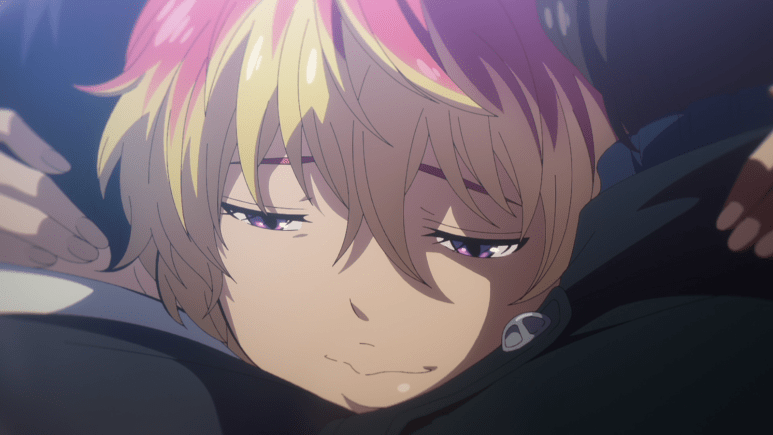
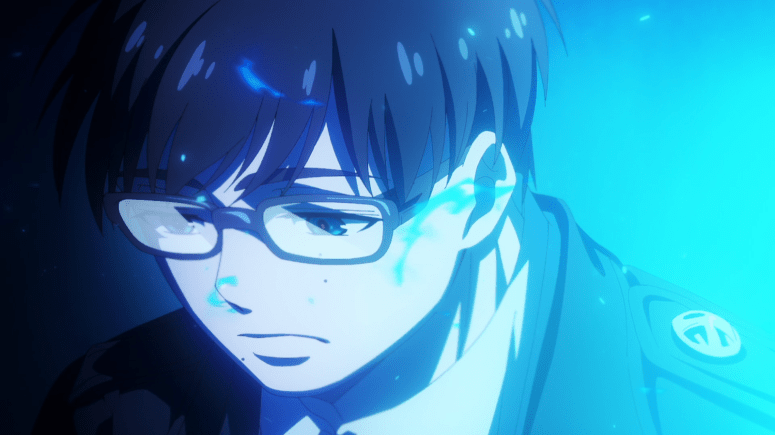
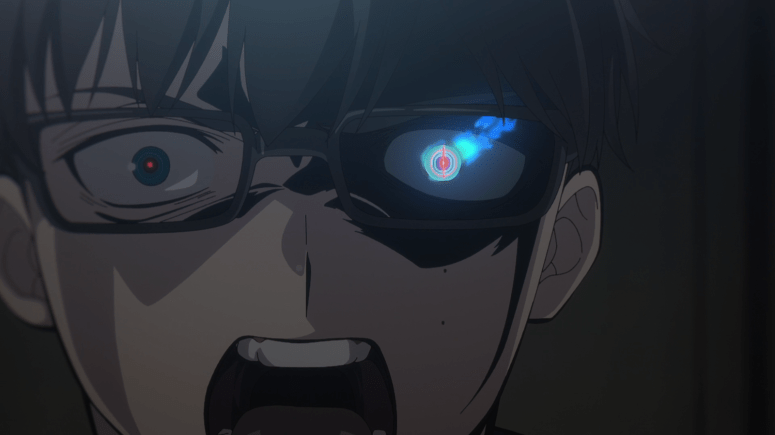
Speaking of the boys, they also had plenty of interesting character moments – though Yukio more so than Rin. Yukio’s spiral into desperation and despair provided the emotional core this season needed after Shura’s arc. After discovering that he had Satan’s blue flames in his eye at certain times, Yukio started going to great lengths to figure out how to activate his power. This ended up putting him in a lot of danger. Meanwhile, the pressure and stress built up in his mind from multiple other sources. Yukio completely fell apart by the end of the season, leading him to the decision to switch sides and join the Illuminati.
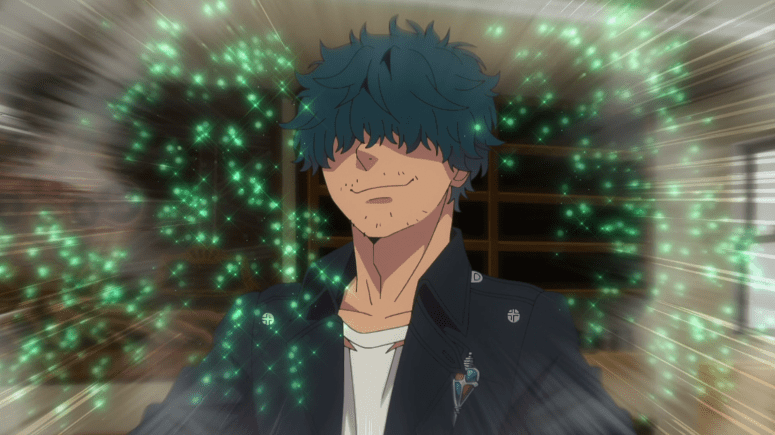
Besides Shura and Yukio, some other characters also experienced changes and growth, including Shiemi and Suguro. We didn’t learn the secret about Shiemi in this season, but the plot point was introduced. Her mother told her something that made her decide to abandon her dream of being an exorcist. As for Suguro, he struggled to find a sense of purpose until he met Lightning. He then became Lightning’s dedicated apprentice. Speaking of Lightning, this season had him in the spotlight and interacting with the main cast for the first time. I was pleased with his characterization. To restate, the character writing was high-quality in Blue Exorcist: Beyond the Snow.
Personal Enjoyment
Score: 8/10
As I mentioned in the opening, I’ve been following this anime since 2012, so my personal enjoyment level was naturally quite high. A number of elements keep me coming back to Blue Exorcist, including the entertaining characters, interesting world lore, classic themes, and outstanding audio components. I will also rapid-fire list a few specific things I enjoyed from this fourth season. Let’s go with five specific elements.
1) The character writing and development for Ryuji Suguro was excellent. It was interesting and amusing to see him so dedicated to Lightning. In Suguro’s own words, he was “smitten.”
2) Shura’s arc was amazingly executed and inspiring, sending an empowering and hopeful message to all viewers – but especially to young adult women.
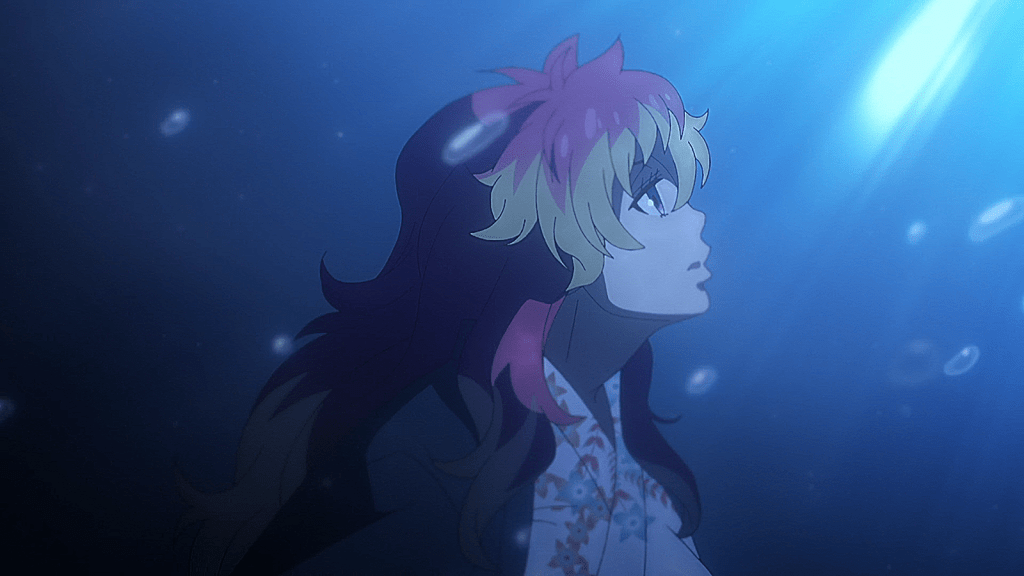
3) I enjoyed the relatively deep exploration of Yukio’s psychology as he spirals. His endeavors to awaken his power were indistinguishable from suicide attempts, leading to some interesting discussions surrounding mental health and suicidality.
4) Rin’s identity is keenly fascinating to me since a part of him – “Demon Rin” – sort of split off from the rest when he was an infant. It may be a tired trope to have a demonic alter ego, but I still like that kind of classic shounen fantasy thing.
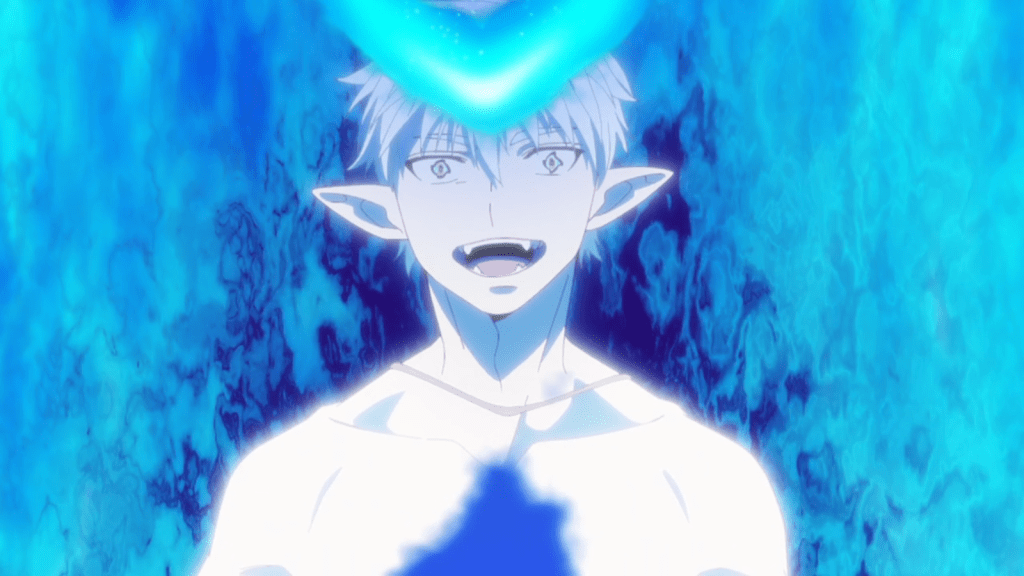
5) The supporting cast was engaging and full of well-written characters like Lightning and Mephisto Pheles.
As you can see, there was a lot of content that I enjoyed in this season of Blue Exorcist. I suppose there are things I could complain about, but nothing serious enough to make me change the score. This was a great season besides the mediocre visuals.
Overall Score
Score: 7.2 out of 10.0
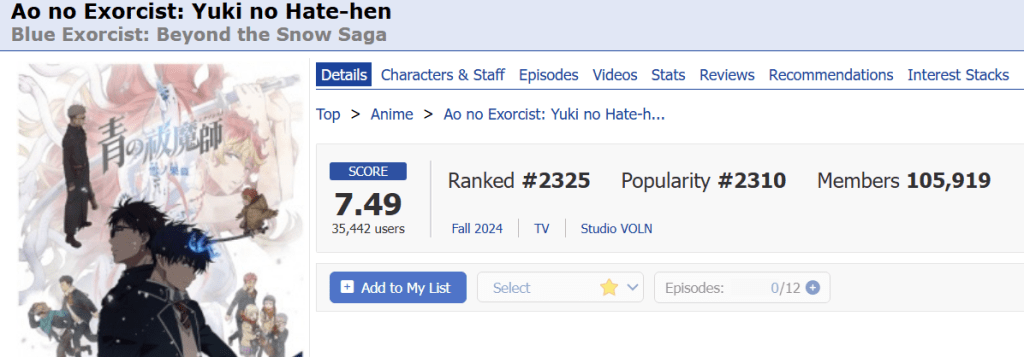
As you probably know, the overall score is the average of the five scores discussed in the categories above. My score is slightly lower than the one on MyAnimeList.net. It seems like Blue Exorcist: Beyond the Snow had mixed reception, what with issues like poor visuals bringing it down. Nevertheless, for me, in terms of personal enjoyment, this season deserves 8/10. It was highly enjoyable on many fronts.
~Thanks for Reading~
Written by 7Mononoke at Anime Rants

